Infantry Soldiers
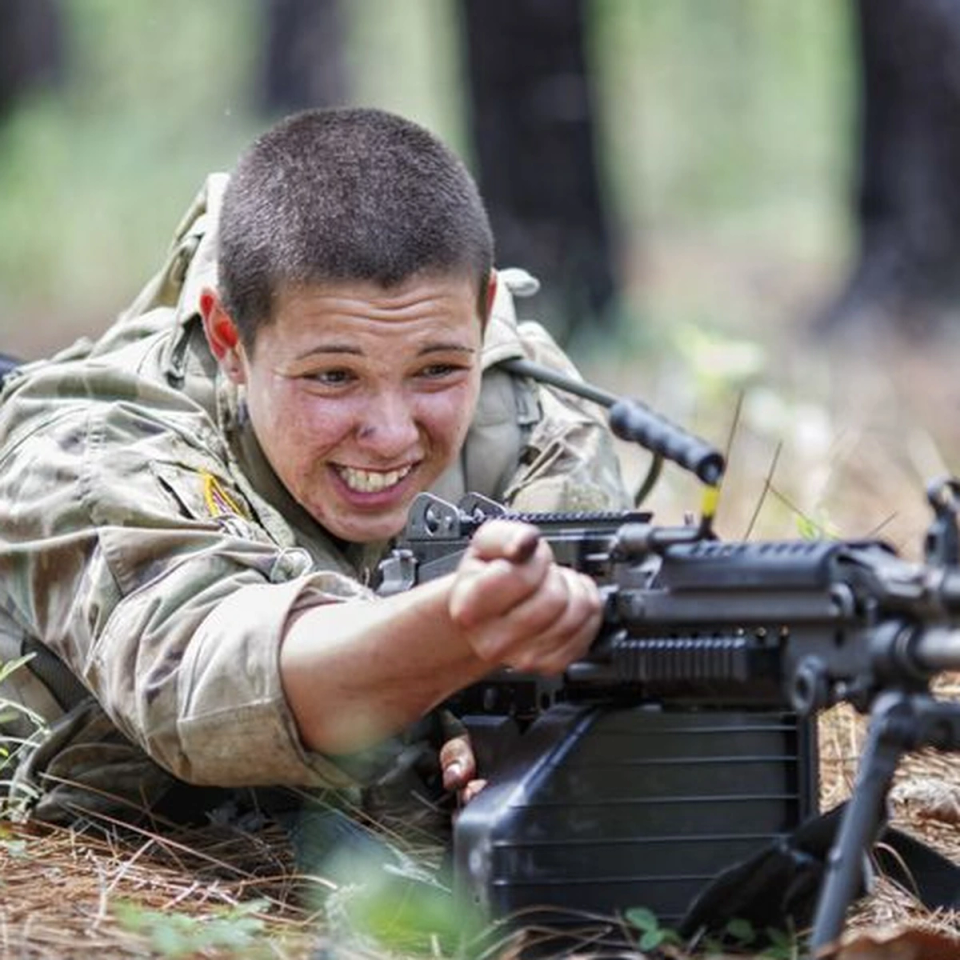
Infantry Soldiers serve on the front lines of ground operations, using weapons, communication gear, and tactical skills to complete missions. They train to operate and maintain equipment such as rifles, machine guns, mortars, radios, and night-vision devices, and they learn how to build, hide, and protect fighting positions. They study maps and terrain, plan safe movement routes, detect and clear land mines or other explosives, call in and coordinate supporting fire (like artillery or air support), and carry out reconnaissance to gather information that leaders use to make critical decisions.
Did you know?
Infantry roles require exceptional physical fitness and mental resilience due to combat exposure, rigorous training, and potential deployment-related stress.
At a glance
Growth
Stable
Things to consider
Civilian Career Transition
Transitioning from infantry to civilian careers can be challenging, requiring effective translation of military leadership and tactical skills to corporate or civilian contexts.
Educational Benefits and Training
American infantry personnel have access to significant educational benefits through the GI Bill and specialized military training that can enhance post-service career prospects.