Landscape Architects
Overview
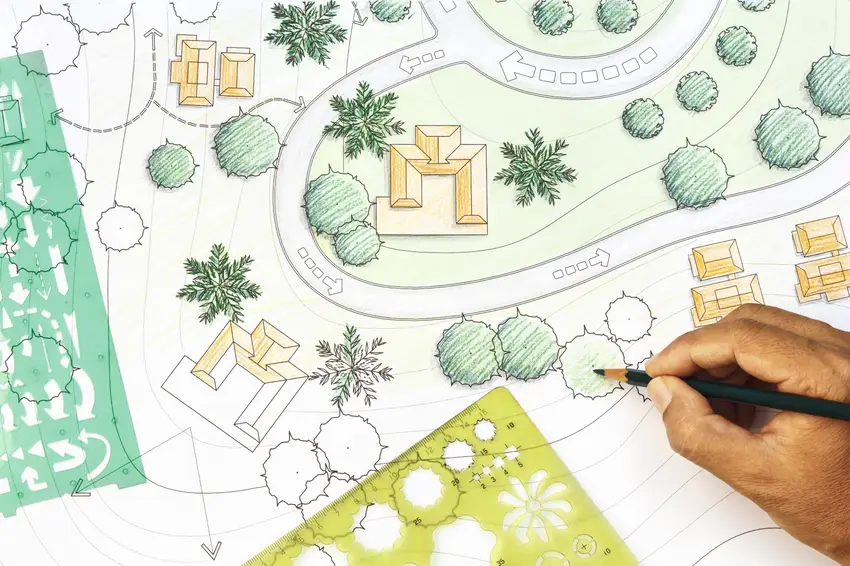
Landscape architects design outdoor spaces like parks, campuses, and business grounds by combining creativity with environmental science. They collaborate with clients, engineers, and building architects to create detailed site plans using computer-aided design software, while considering factors like drainage, energy usage, and material selection. This career blends artistic vision with technical skills and often involves both office work for planning and field visits to oversee projects. Many landscape architects work in hybrid environments, splitting time between design studios and outdoor project sites.
Did you know?
Licensing requirements for landscape designers vary significantly by state, with some requiring formal certification while others have minimal regulations.
At a Glance
Median Wage
$75,528.09 Avg/yr
Growth
Fast Growing
Top Skill
Writing
Key Responsibilities
- Manage the work of subcontractors to ensure quality control.
- Present project plans or designs to public stakeholders, such as government agencies or community groups.
- Prepare conceptual drawings, graphics, or other visual representations of land areas to show predicted growth or development of land areas over time.
- Collaborate with estimators to cost projects, create project plans, or coordinate bids from landscaping contractors.
- Inspect proposed sites to identify structural elements of land areas or other important site information, such as soil condition, existing landscaping, or the proximity of water management facilities.
- Design and integrate rainwater harvesting or gray and reclaimed water systems to conserve water into building or land designs.
- Analyze data on conditions such as site location, drainage, or structure location for environmental reports or landscaping plans.
- Identify and select appropriate sustainable materials for use in landscape designs, such as recycled wood or recycled concrete boards for structural elements or recycled tires for playground bedding.
- Integrate existing land features or landscaping into designs.
- Research latest products, technology, or design trends to stay current in the field.
- Develop planting plans to help clients garden productively or to achieve particular aesthetic effects.
- Develop marketing materials, proposals, or presentations to generate new work opportunities.
- Create landscapes that minimize water consumption such as by incorporating drought-resistant grasses or indigenous plants.
- Provide follow-up consultations for clients to ensure landscape designs are maturing or developing as planned.
- Confer with clients, engineering personnel, or architects on landscape projects.
- Prepare graphic representations or drawings of proposed plans or designs.
- Prepare site plans, specifications, or cost estimates for land development.
- Inspect landscape work to ensure compliance with specifications, evaluate quality of materials or work, or advise clients or construction personnel.
- Collaborate with architects or related professionals on whole building design to maximize the aesthetic features of structures or surrounding land and to improve energy efficiency.
Career Considerations
State Licensing Requirements
Licensing requirements for landscape designers vary significantly by state, with some requiring formal certification while others have minimal regulations.
Seasonal Business Fluctuations
Most landscape design work is seasonal in nature, requiring financial planning for reduced income during winter months in many regions.
Market Competition and Specialization
The field is highly competitive, making specialization in areas like sustainable design, native plants, or specific property types essential for success.