Landscapers
Overview
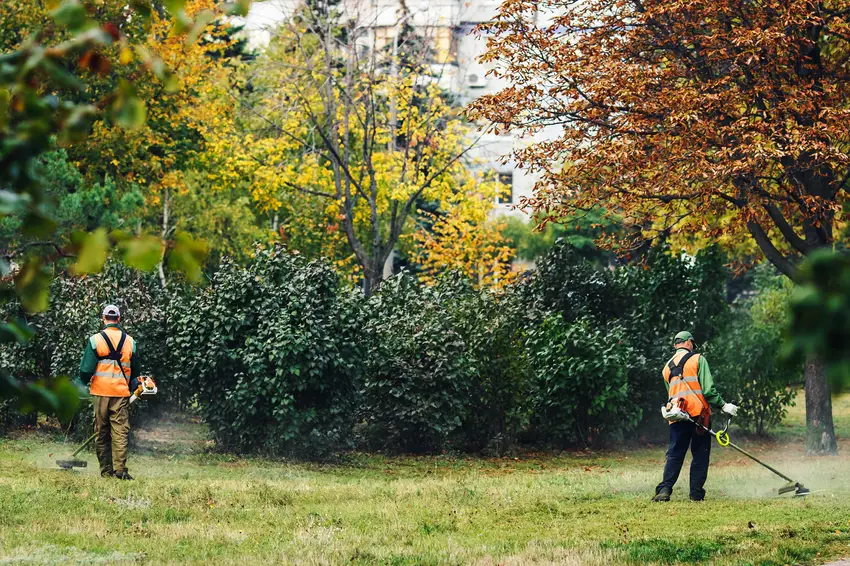
Landscapers and groundskeepers create and maintain beautiful outdoor spaces by planting flowers, trees, and shrubs, and keeping lawns healthy through mowing, edging, and fertilizing. They use both hand tools like shovels and rakes, as well as power equipment to trim hedges, remove unwanted vegetation, and repair outdoor structures. This hands-on career combines creativity with physical work, often involving teamwork on large projects and the satisfaction of transforming outdoor environments. Many landscapers today also use GPS technology and sustainable practices to create eco-friendly designs.
Did you know?
Income and work availability fluctuate significantly with seasonal changes, requiring financial planning for slower winter months in most American regions.
At a Glance
Median Wage
$39,256.86 Avg/yr
Growth
Fast Growing
Top Skill
Quality Control Analysis
Key Responsibilities
- Prune or trim trees, shrubs, or hedges, using shears, pruners, or chain saws.
- Plant seeds, bulbs, foliage, flowering plants, grass, ground covers, trees, or shrubs, and apply mulch for protection, using gardening tools.
- Operate vehicles or powered equipment, such as mowers, tractors, twin-axle vehicles, snow blowers, chainsaws, electric clippers, sod cutters, or pruning saws.
- Care for natural turf fields, making sure the underlying soil has the required composition to allow proper drainage and to support the grasses.
- Care for artificial turf fields, periodically removing the turf and replacing cushioning pads or vacuuming and disinfecting the turf after use to prevent the growth of harmful bacteria.
- Shovel snow from walks, driveways, or parking lots, and spread salt in those areas.
- Maintain or repair tools, equipment, or structures, such as buildings, greenhouses, fences, or benches, using hand or power tools.
- Water lawns, trees, or plants, using portable sprinkler systems, hoses, or watering cans.
- Maintain irrigation systems, including winterizing the systems and starting them up in spring.
- Care for established lawns by mulching, aerating, weeding, grubbing, removing thatch, or trimming or edging around flower beds, walks, or walls.
- Decorate gardens with stones or plants.
- Mix and spray or spread fertilizers, herbicides, or insecticides onto grass, shrubs, or trees, using hand or automatic sprayers or spreaders.
- Use hand tools, such as shovels, rakes, pruning saws, saws, hedge or brush trimmers, or axes.
- Plan or cultivate lawns or gardens.
- Trim or pick flowers and clean flower beds.
- Use irrigation methods to adjust the amount of water consumption and to prevent waste.
- Gather and remove litter.
- Install rock gardens, ponds, decks, drainage systems, irrigation systems, retaining walls, fences, planters, or playground equipment.
- Mow or edge lawns, using power mowers or edgers.
- Provide proper upkeep of sidewalks, driveways, parking lots, fountains, planters, burial sites, or other grounds features.
- Build forms and mix and pour cement to form garden borders.
- Advise customers on plant selection or care.
- Rake, mulch, and compost leaves.
- Follow planned landscaping designs to determine where to lay sod, sow grass, or plant flowers or foliage.
- Attach wires from planted trees to support stakes.
- Haul or spread topsoil, or spread straw over seeded soil to hold soil in place.
Career Considerations
Seasonal Work Patterns
Income and work availability fluctuate significantly with seasonal changes, requiring financial planning for slower winter months in most American regions.
Physical Demands and Outdoor Conditions
The role requires substantial physical labor in various weather conditions, which may impact long-term career sustainability and health considerations.
Certification and Continuing Education
Professional certifications from organizations like the American Society for Horticultural Science can enhance credibility and earning potential in competitive markets.