Laundry and Dry-Cleaning Workers
Overview
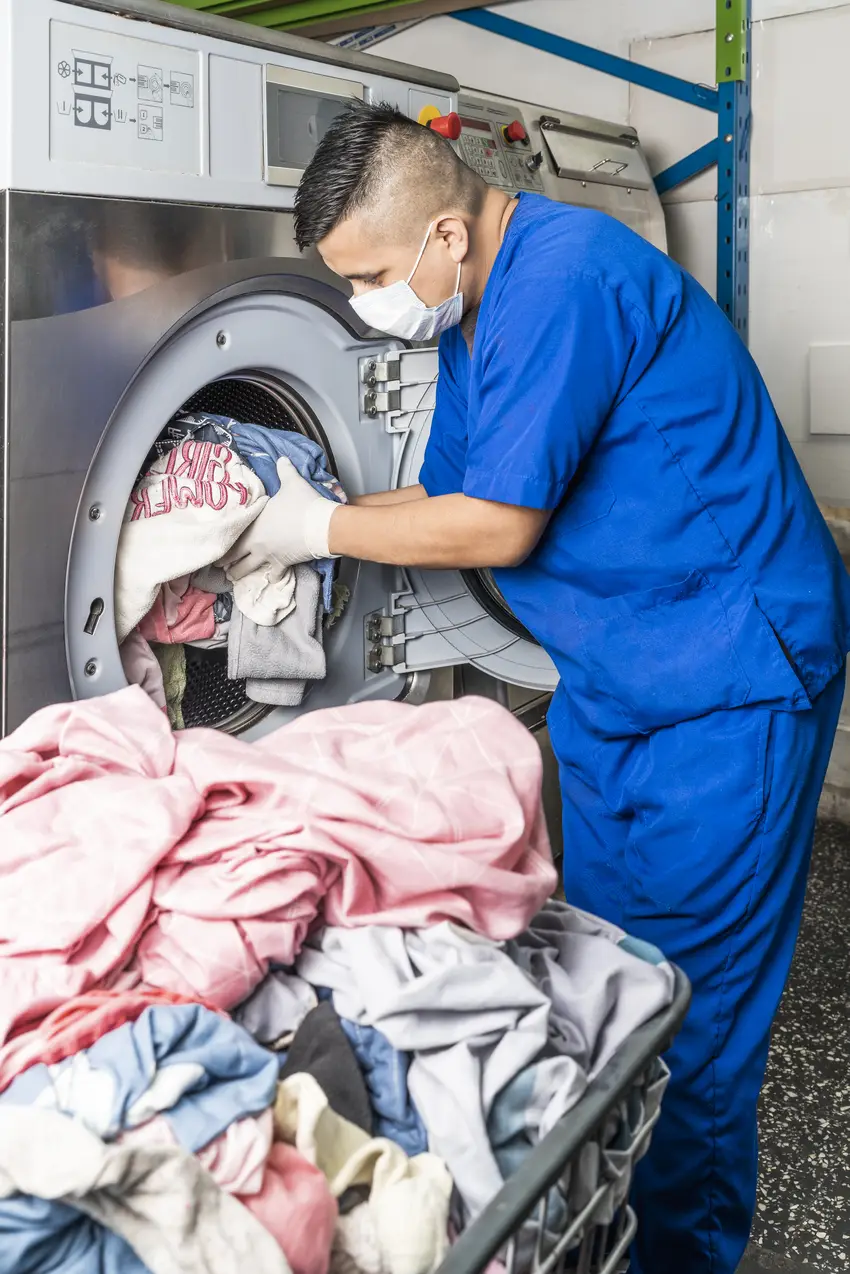
Laundry and dry-cleaning workers operate specialized machines to clean clothes, fabrics, and household items like blankets and carpets. They sort items by fabric type and color, add the right cleaning chemicals and detergents, and use industrial washers and dry-cleaning equipment to get everything spotless. This hands-on job requires attention to detail and knowledge of different fabric care techniques. Many workers start with on-the-job training and can find flexible part-time or full-time positions in dry cleaners, laundromats, or hotels.
Did you know?
The role requires standing for extended periods, lifting heavy loads, and working with chemicals, making adherence to OSHA safety standards and physical fitness essential.
At a Glance
Median Wage
$32,853.14 Avg/yr
Growth
Fast Growing
Top Skill
Judgment and Decision Making
Key Responsibilities
- Clean machine filters, and lubricate equipment.
- Mix bleaching agents with hot water in vats, and soak material until it is bleached.
- Match sample colors, applying knowledge of bleaching agent and dye properties, and types, construction, conditions, and colors of articles.
- Immerse articles in bleaching baths to strip colors.
- Sort and count articles removed from dryers, and fold, wrap, or hang them.
- Pre-soak, sterilize, scrub, spot-clean, and dry contaminated or stained articles, using neutralizer solutions and portable machines.
- Spread soiled articles on work tables, and position stained portions over vacuum heads or on marble slabs.
- Receive and mark articles for laundry or dry cleaning with identifying code numbers or names, using hand or machine markers.
- Load articles into washers or dry-cleaning machines, or direct other workers to perform loading.
- Inspect soiled articles to determine sources of stains, to locate color imperfections, and to identify items requiring special treatment.
- Determine spotting procedures and proper solvents, based on fabric and stain types.
- Spray steam, water, or air over spots to flush out chemicals, dry material, raise naps, or brighten colors.
- Apply bleaching powders to spots and spray them with steam to remove stains from fabrics that do not respond to other cleaning solvents.
- Identify articles' fabrics and original dyes by sight and touch, or by testing samples with fire or chemical reagents.
- Examine and sort into lots articles to be cleaned, according to color, fabric, dirt content, and cleaning technique required.
- Operate machines that comb, dry and polish furs, clean, sterilize and fluff feathers and blankets, or roll and package towels.
- Sprinkle chemical solvents over stains, and pat areas with brushes or sponges to remove stains.
- Mix and add detergents, dyes, bleaches, starches, and other solutions and chemicals to clean, color, dry, or stiffen articles.
- Remove items from washers or dry-cleaning machines, or direct other workers to do so.
- Iron or press articles, fabrics, and furs, using hand irons or pressing machines.
- Operate extractors and driers, or direct their operation.
- Start washers, dry cleaners, driers, or extractors, and turn valves or levers to regulate machine processes and the volume of soap, detergent, water, bleach, starch, and other additives.
- Hang curtains, drapes, blankets, pants, and other garments on stretch frames to dry.
Career Considerations
Physical Demands and Safety Protocols
The role requires standing for extended periods, lifting heavy loads, and working with chemicals, making adherence to OSHA safety standards and physical fitness essential.
Career Advancement Opportunities
Experienced laundry specialists can progress to supervisory roles, equipment maintenance positions, or start their own laundry service businesses in the growing American service sector.
Technical Equipment Proficiency
Modern American laundry facilities use sophisticated machinery and computerized systems, requiring continuous learning and adaptation to new technologies.