Leather Craftspersons
Overview
Leather craftspeople create and repair leather goods like shoes, bags, and accessories using both traditional hand tools and modern sewing equipment. They cut and shape materials, attach decorative elements, assemble products, and estimate project costs for custom orders. This creative field combines artistic skills with technical precision, and many craftspeople work in small studios or collaborate with fashion designers. The job requires attention to detail, manual dexterity, and knowledge of different leather types and modern manufacturing techniques.
Did you know?
Leather craftsmen must differentiate themselves from mass-produced goods by focusing on custom, high-quality, or specialized leather products to compete effectively in the American market.
At a Glance
Median Wage
$37,821.67 Avg/yr
Growth
Stable
Top Skill
Equipment Selection
Key Responsibilities
- Check the texture, color, and strength of leather to ensure that it is adequate for a particular purpose.
- Re-sew seams, and replace handles and linings of suitcases or handbags.
- Place shoes on lasts to remove soles and heels, using knives or pliers.
- Dress and otherwise finish boots or shoes, as by trimming the edges of new soles and heels to the shoe shape.
- Prepare inserts, heel pads, and lifts from casts of customers' feet.
- Draw patterns, using measurements, designs, plaster casts, or customer specifications, and position or outline patterns on work pieces.
- Stretch shoes, dampening parts and inserting and twisting parts, using an adjustable stretcher.
- Cut out parts, following patterns or outlines, using knives, shears, scissors, or machine presses.
- Shape shoe heels with a knife, and sand them on a buffing wheel for smoothness.
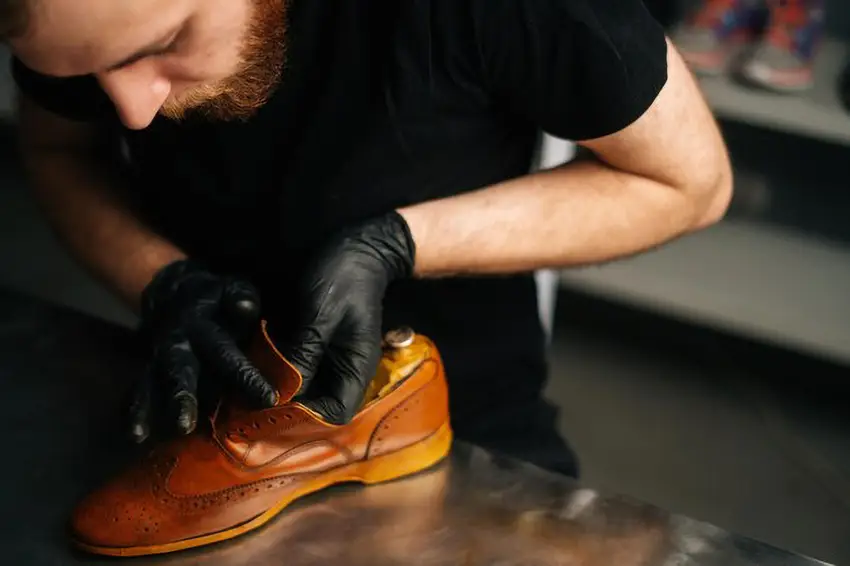
- Clean and polish shoes.
- Read prescriptions or specifications, and take measurements to establish the type of product to be made, using calipers, tape measures, or rules.
- Drill or punch holes and insert or attach metal rings, handles, and fastening hardware, such as buckles.
- Repair and recondition leather products such as trunks, luggage, shoes, saddles, belts, purses, and baseball gloves.
- Estimate the costs of requested products or services such as custom footwear or footwear repair, and receive payment from customers.
- Repair or replace soles, heels, and other parts of footwear, using sewing, buffing and other shoe repair machines, materials, and equipment.
- Attach insoles to shoe lasts, affix shoe uppers, and apply heels and outsoles.
- Align and stitch or glue materials such as fabric, fleece, leather, or wood, to join parts.
- Attach accessories or ornamentation to decorate or protect products.
- Construct, decorate, or repair leather products according to specifications, using sewing machines, needles and thread, leather lacing, glue, clamps, hand tools, or rivets.
- Select materials and patterns, and trace patterns onto materials to be cut out.
- Make, modify, and repair orthopedic or therapeutic footwear according to doctors' prescriptions, or modify existing footwear for people with foot problems and special needs.
- Nail heel and toe cleats onto shoes.
- Inspect articles for defects, and remove damaged or worn parts, using hand tools.
- Cement, nail, or sew soles and heels to shoes.
- Cut, insert, position, and secure paddings, cushioning, or linings, using stitches or glue.
- Dye, soak, polish, paint, stamp, stitch, stain, buff, or engrave leather or other materials to obtain desired effects, decorations, or shapes.
Career Considerations
Market Niche and Competition
Leather craftsmen must differentiate themselves from mass-produced goods by focusing on custom, high-quality, or specialized leather products to compete effectively in the American market.
Entrepreneurial Business Skills
Most leather craftsmen in the US operate as independent artisans or small business owners, requiring strong marketing, pricing, and customer service skills alongside crafting abilities.
Skill Specialization and Continuous Learning
Success often depends on developing expertise in specific leather working techniques, tools, and styles while staying current with fashion trends and customer preferences.