
Legislators in Elected Government

Overview

Legislators in elected government are the people voters choose to write, debate, and vote on laws at the city, tribal, state, or national level. They study complex issues, meet with citizens, experts, and interest groups, and then decide which ideas should become official rules, policies, or budgets. They also lead campaign teams, plan media strategies, and manage office staff so they can stay informed about community needs and explain their decisions to the public.
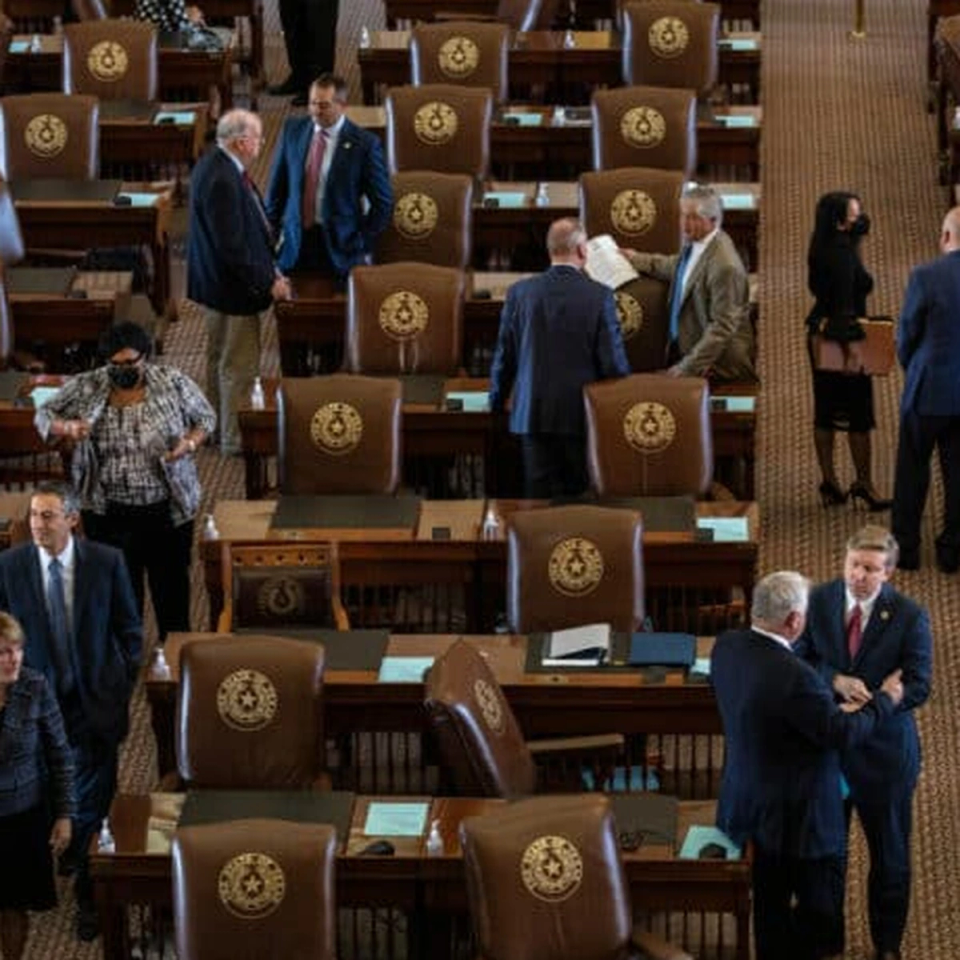
Legislators in Elected Government

Did you know?

Legislators must regularly campaign for re-election, requiring strong fundraising abilities and constituent relationship management to maintain their positions.

At a Glance

Median Wage

$48,648.18 Avg/yr

Growth

Stable

Key Responsibilities

  • Organize and maintain campaign organizations and fundraisers, in order to raise money for election or re-election.
  • Represent their parties in negotiations with political executives or members of other parties, and when speaking with the media.
  • Determine campaign strategies for media advertising, positions on issues, and public appearances.
  • Confer with colleagues to formulate positions and strategies pertaining to pending issues.
  • Prepare drafts of amendments, government policies, laws, rules, regulations, budgets, programs and procedures.
  • Promote the industries and products of their electoral districts.
  • Establish personal offices in local districts or states, and manage office staff.
  • Hear testimony from constituents, representatives of interest groups, board and commission members, and others with an interest in bills or issues under consideration.
  • Maintain knowledge of relevant national and international current events.
  • Keep abreast of the issues affecting constituents by making personal visits and phone calls, reading local newspapers, and viewing or listening to local broadcasts.
  • Seek federal funding for local projects and programs.
  • Negotiate with colleagues or members of other political parties in order to reconcile differing interests, and to create policies and agreements.
  • Develop expertise in subject matters related to committee assignments.
  • Analyze and understand the local and national implications of proposed legislation.
  • Speak to students to encourage and support the development of future political leaders.
  • Serve on commissions, investigative panels, study groups, and committees in order to examine specialized areas and recommend action.
  • Review bills in committee, and make recommendations about their future.
  • Debate the merits of proposals and bill amendments during floor sessions, following the appropriate rules of procedure.
  • Alert constituents of government actions and programs by way of newsletters, personal appearances at town meetings, phone calls, and individual meetings.
  • Read and review concerns of constituents or the general public and determine if governmental action is necessary.
  • Appoint nominees to leadership posts, or approve such appointments.
  • Encourage and support party candidates for political office.
  • Vote on motions, amendments, and decisions on whether or not to report a bill out from committee to the assembly floor.
  • Make decisions that balance the perspectives of private citizens, public officials, and party leaders.
  • Conduct "head counts" to help predict the outcome of upcoming votes.
  • Write, prepare, and deliver statements for the Congressional Record.
  • Evaluate the structure, efficiency, activities, and performance of government agencies.
  • Oversee expense allowances, ensuring that accounts are balanced at the end of each fiscal year.
  • Attend receptions, dinners, and conferences to meet people, exchange views and information, and develop working relationships.
  • Represent their government at local, national, and international meetings and conferences.

Career Considerations

Electoral Accountability

Legislators must regularly campaign for re-election, requiring strong fundraising abilities and constituent relationship management to maintain their positions.

Public Scrutiny and Media Attention

All actions and statements are subject to intense public and media scrutiny, demanding high ethical standards and careful communication skills.

Partisan Political Environment

Success often requires navigating highly polarized party politics while balancing partisan loyalty with constituent needs and personal principles.

Want to dig deeper?

Talk to blinky to learn more.

Start chatting
BETA
New York

25 Kent Ave, Suite 401
Brooklyn, NY
11249


North Carolina

204 N Person
Street. Raleigh, NC
27601

Australia

Level 4/80
Wentworth Ave,
Surry Hills,
Sydney, 2010