Licensed Practical Nurses
Overview
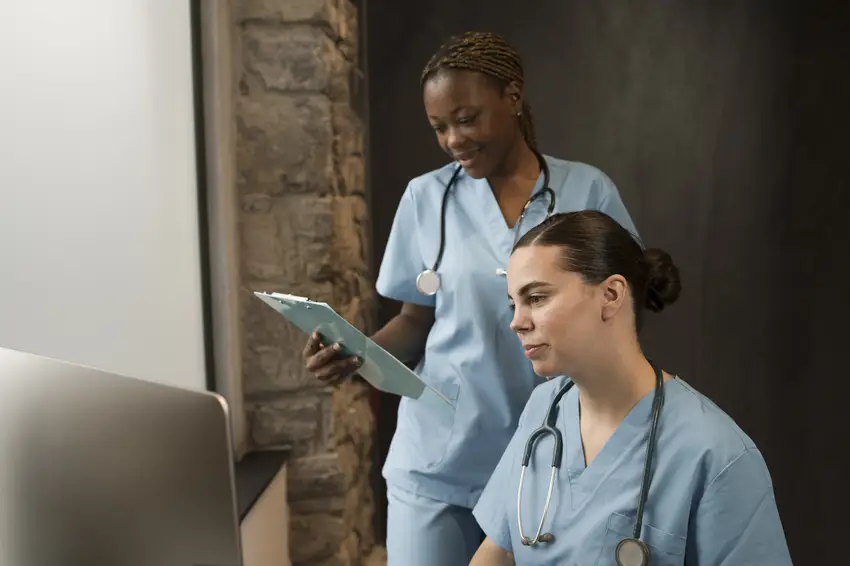
Licensed Practical Nurses provide hands-on medical care to patients in hospitals, clinics, and nursing homes by monitoring vital signs like blood pressure and temperature, helping with daily activities like bathing and dressing, and keeping detailed health records. They work closely with registered nurses and doctors, serving as important communicators who listen to patients' concerns and report any changes in their condition. LPNs use modern medical equipment and electronic health record systems while working in collaborative healthcare teams. You can become an LPN through a one-year certificate program at a community college or vocational school.
Did you know?
LVNs must complete a state-approved vocational nursing program and pass the NCLEX-PN examination to obtain licensure, with requirements varying by state.
At a Glance
Median Wage
$63,622.94 Avg/yr
Growth
Stable
Top Skill
Equipment Maintenance
Key Responsibilities
- Assemble and use equipment, such as catheters, tracheotomy tubes, or oxygen suppliers.
- Evaluate nursing intervention outcomes, conferring with other healthcare team members as necessary.
- Prepare or examine food trays for conformance to prescribed diet.
- Inventory and requisition supplies and instruments.
- Make appointments, keep records, or perform other clerical duties in doctors' offices or clinics.
- Work as part of a healthcare team to assess patient needs, plan and modify care, and implement interventions.
- Supervise nurses' aides or assistants.
- Set up equipment and prepare medical treatment rooms.
- Provide medical treatment or personal care to patients in private home settings, such as cooking, keeping rooms orderly, seeing that patients are comfortable and in good spirits, or instructing family members in simple nursing tasks.
- Record food and fluid intake and output.
- Administer prescribed medications or start intravenous fluids, noting times and amounts on patients' charts.
- Prepare patients for examinations, tests, or treatments and explain procedures.
- Apply compresses, ice bags, or hot water bottles.
- Sterilize equipment and supplies, using germicides, sterilizer, or autoclave.
- Wash and dress bodies of deceased persons.
- Collect samples, such as blood, urine, or sputum from patients, and perform routine laboratory tests on samples.
- Help patients with bathing, dressing, maintaining personal hygiene, moving in bed, or standing and walking.
- Provide basic patient care or treatments, such as taking temperatures or blood pressures, dressing wounds, treating bedsores, giving enemas or douches, rubbing with alcohol, massaging, or performing catheterizations.
- Measure and record patients' vital signs, such as height, weight, temperature, blood pressure, pulse, or respiration.
- Clean rooms and make beds.
- Observe patients, charting and reporting changes in patients' conditions, such as adverse reactions to medication or treatment, and taking any necessary action.
- Answer patients' calls and determine how to assist them.
Career Considerations
State Licensing Requirements
LVNs must complete a state-approved vocational nursing program and pass the NCLEX-PN examination to obtain licensure, with requirements varying by state.
Limited Scope of Practice
LVNs work under the supervision of registered nurses or physicians and have restrictions on certain medical procedures and assessments compared to RNs.
Career Advancement Pathways
Many LVNs pursue RN-to-BSN bridge programs or associate degree nursing programs to advance to registered nurse positions with higher pay and expanded responsibilities.