Lighting Technicians
Lighting technicians create the perfect visual atmosphere for movies, TV shows, concerts, and live events by setting up and operating complex lighting systems. They work with cutting-edge equipment like LED fixtures, digital control boards, and computer software to design lighting that enhances performances and productions. This hands-on career combines technical skills with creativity, often involving teamwork with directors, photographers, and other production staff. Many lighting technicians start with technical training programs or apprenticeships and can work in diverse environments from film studios to concert venues.
Did you know?
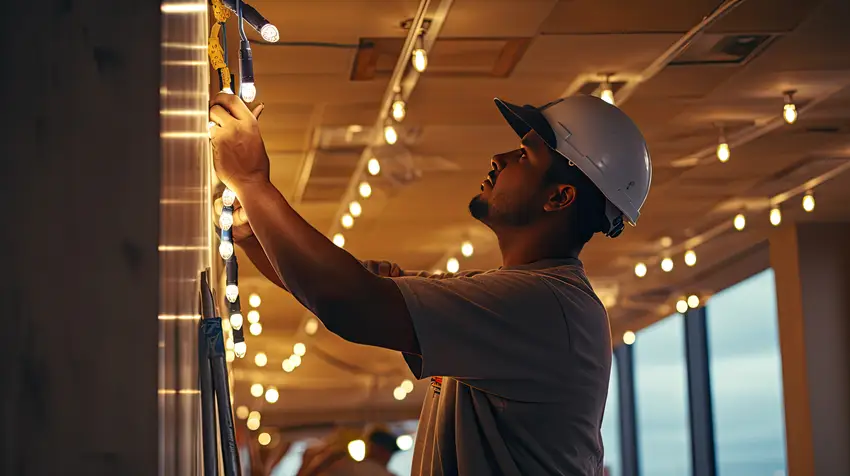
The role requires working at heights, lifting heavy equipment, and adhering to strict OSHA safety standards prevalent in American entertainment and construction industries.
At a glance
Typical average pay
$59,600 Avg/yr
Growth
Stable
Things to consider
Technical Certification and Continuous Learning
Success requires staying current with evolving LED technology, digital lighting consoles, and obtaining industry certifications like ETCP to remain competitive in the American market.
Networking and Geographic Flexibility
Career advancement often depends on building relationships within tight-knit production communities and willingness to travel or relocate to major entertainment hubs across the United States.
Key responsibilities
Assess safety of wiring or equipment set-up to determine the risk of fire or electrical shock.
Test lighting equipment function and desired lighting effects.
Install color effects or image patterns, such as color filters, onto lighting fixtures.
Operate manual or automated systems to control lighting throughout productions.
Perform minor repairs or routine maintenance on lighting equipment, such as replacing lamps or damaged color filters.