
Livestock Breeder

Overview

Livestock breeders raise and breed animals such as cattle, sheep, pigs, goats, and horses to produce high-quality offspring for meat, milk, wool, or breeding stock. They select animals with desirable traits, monitor their health, manage feeding schedules, and maintain detailed breeding and production records. Breeders use both traditional knowledge and modern genetics to improve herds, often working on farms, ranches, or research facilities. The role requires patience, attention to detail, and a deep understanding of animal behavior, nutrition, and reproduction.
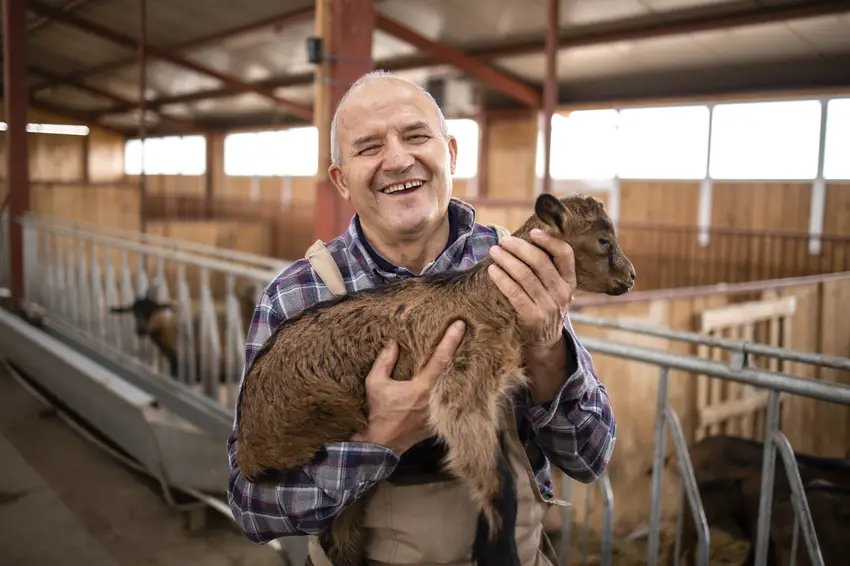
Livestock Breeder

Did you know?

Most states require specific education in animal science or veterinary technology, with some requiring licensing or certification depending on the type of animals bred.

At a Glance

Median Wage

$49,648.89 Avg/yr

Growth

Stable

Top Skill

Instructing

Key Responsibilities

  • Purchase and stock supplies of feed and medicines.
  • Measure specified amounts of semen into calibrated syringes, and insert syringes into inseminating guns.
  • Examine animals to detect symptoms of illness or injury.
  • Exercise animals to keep them in healthy condition.
  • Maintain logs of semen specimens used and animals bred.
  • Package and label semen to be used for artificial insemination, recording information such as the date, source, quality, and concentration.
  • Bathe and groom animals.
  • Observe animals in heat to detect approach of estrus and exercise animals to induce or hasten estrus, if necessary.
  • Build hutches, pens, and fenced yards.
  • Treat minor injuries and ailments and contact veterinarians to obtain treatment for animals with serious illnesses or injuries.
  • Arrange for sale of animals and eggs to hospitals, research centers, pet shops, and food processing plants.
  • Examine semen microscopically to assess and record density and motility of gametes, and dilute semen with prescribed diluents, according to formulas.
  • Place vaccines in drinking water, inject vaccines, or dust air with vaccine powder to protect animals from diseases.
  • Clip or shear hair on animals.
  • Select animals to be bred, and semen specimens to be used, according to knowledge of animals, genealogies, traits, and desired offspring characteristics.
  • Record animal characteristics such as weights, growth patterns, and diets.
  • Brand, tattoo, or tag animals to allow animal identification.
  • Exhibit animals at shows.
  • Feed and water animals, and clean and disinfect pens, cages, yards, and hutches.
  • Inject prepared animal semen into female animals for breeding purposes, by inserting nozzle of syringe into vagina and depressing syringe plunger.
  • Adjust controls to maintain specific building temperatures required for animals' health and safety.

Career Considerations

Educational Requirements and Licensing

Most states require specific education in animal science or veterinary technology, with some requiring licensing or certification depending on the type of animals bred.

Physical Demands and Working Conditions

The job involves significant physical labor, outdoor work in various weather conditions, and potential exposure to animal-related injuries or diseases.

Business and Regulatory Compliance

Animal breeders must navigate complex federal and state regulations, maintain detailed breeding records, and often need business insurance and liability coverage.

Want to dig deeper?

Talk to blinky to learn more.

Start chatting
BETA
New York

25 Kent Ave, Suite 401
Brooklyn, NY
11249


North Carolina

204 N Person
Street. Raleigh, NC
27601

Australia

Level 4/80
Wentworth Ave,
Surry Hills,
Sydney, 2010