Locksmiths and Safe Repairers
Locksmiths and safe repairers are the security experts who make and duplicate keys, install and repair locks, and work with safes to keep people's belongings secure. They use specialized key-cutting machines and drilling equipment to open locked doors and safes when people are locked out, while also maintaining master key systems for businesses and apartment buildings. This hands-on career requires strong mechanical skills and attention to detail, as you'll be taking apart complex locking mechanisms and replacing worn parts with precision hand tools. Many locksmiths work independently or for security companies, often providing emergency services and collaborating with customers to solve their security needs.
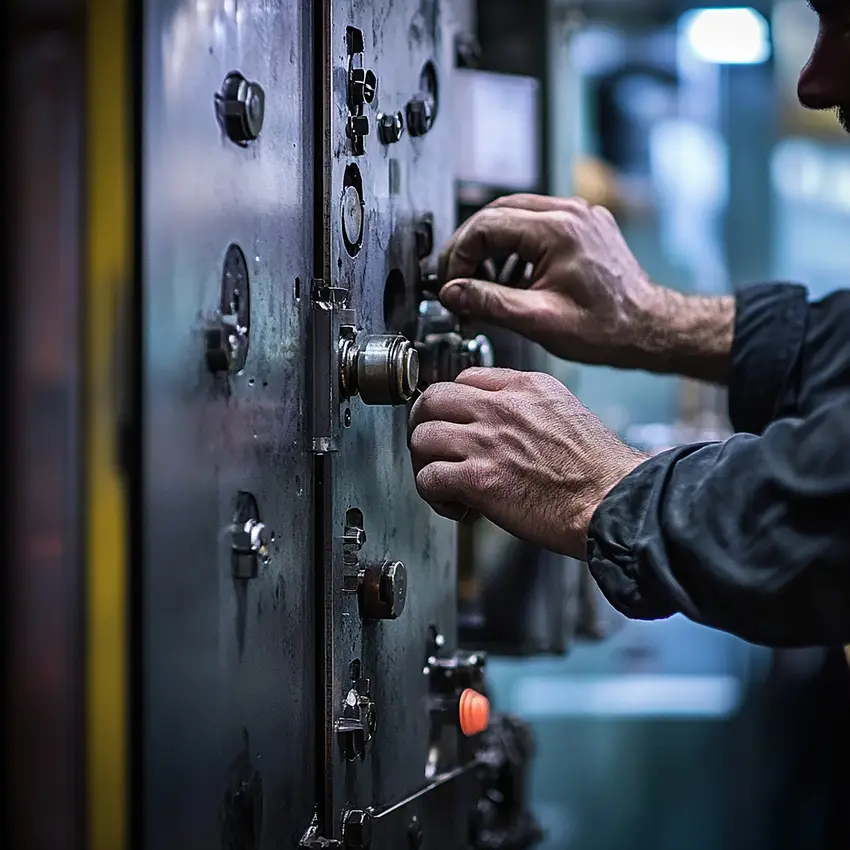
Did you know?
Most states require locksmiths to obtain specific licenses and complete background checks, with requirements varying significantly across different jurisdictions.
At a glance
Typical average pay
$51,200 Avg/yr
Growth
Stable
Top skill
Repairing
Things to consider
Emergency Service Demands
The profession often requires 24/7 availability for emergency lockouts, which can impact work-life balance but provides higher earning potential.
Technology Adaptation
Modern locksmiths must stay current with electronic locks, smart home systems, and digital security technologies to remain competitive in the evolving market.
Key responsibilities
Open safe locks by drilling.
Install alarm and electronic access systems.
Repair and adjust safes, vault doors, and vault components, using hand tools, lathes, drill presses, and welding and acetylene cutting apparatus.
Unlock cars and other vehicles.
Set up and maintain master key systems.