Locomotive Engineers
Locomotive engineers operate massive trains that transport people and cargo across the country, controlling powerful engines that can weigh over 400,000 pounds. They work closely with conductors and traffic control centers using advanced radio systems and electronic signals to safely navigate complex rail networks. The job requires strong technical skills to monitor multiple gauges, perform safety inspections, and respond quickly to emergencies while following strict safety protocols. Most engineers complete specialized training programs and earn certification to operate these incredible machines.
Did you know?
Train engineers must obtain and maintain FRA certification, which requires passing rigorous written and practical examinations, ongoing training, and regular medical evaluations.
At a glance
Typical average pay
$79,000 Avg/yr
Growth
Stable
Top skill
Operation and Control
Things to consider
Irregular Work Schedules and Travel
The profession typically involves unpredictable hours, overnight shifts, weekends, holidays, and extended time away from home, significantly impacting work-life balance.
High Safety and Legal Responsibility
Engineers bear substantial legal liability for train operations and must strictly adhere to federal safety regulations, as violations can result in criminal charges and career termination.
Key responsibilities
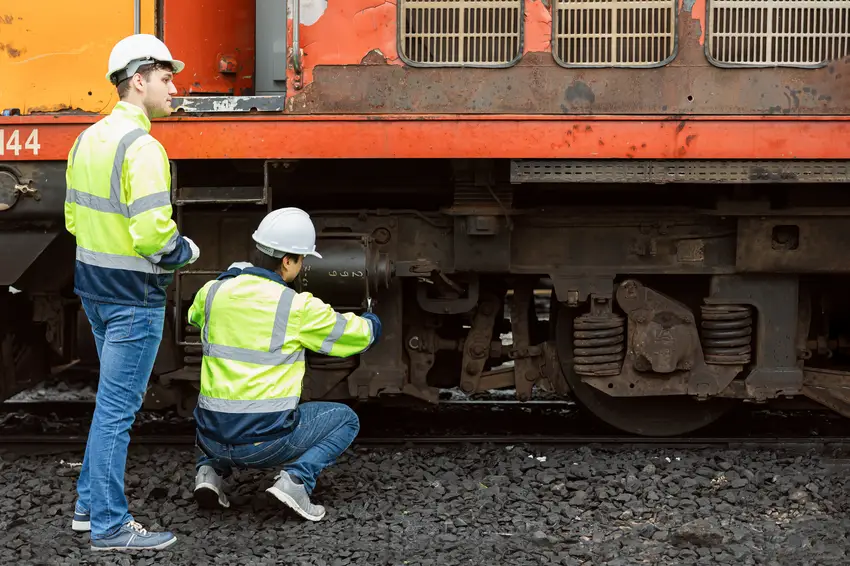
Inspect locomotives after runs to detect damaged or defective equipment.
Confer with conductors or traffic control center personnel via radiophones to issue or receive information concerning stops, delays, or oncoming trains.
Receive starting signals from conductors and use controls such as throttles or air brakes to drive electric, diesel-electric, steam, or gas turbine-electric locomotives.
Check to ensure that documentation, such as procedure manuals or logbooks, are in the driver's cab and available for staff use.
Monitor train loading procedures to ensure that freight or rolling stock are loaded or unloaded without damage.