
Machinists

Overview

Machinists operate high-tech computer-controlled machines and traditional tools to create precise metal parts for everything from smartphones to spacecraft. They read detailed blueprints and use CAD/CAM software to set up CNC machines that can cut, drill, and shape metal with incredible accuracy. This hands-on career combines technical skills with problem-solving, as machinists work closely with engineers and quality control teams to ensure every part meets exact specifications. Many machinists today work in modern manufacturing facilities that emphasize safety, teamwork, and continuous learning of new technologies.
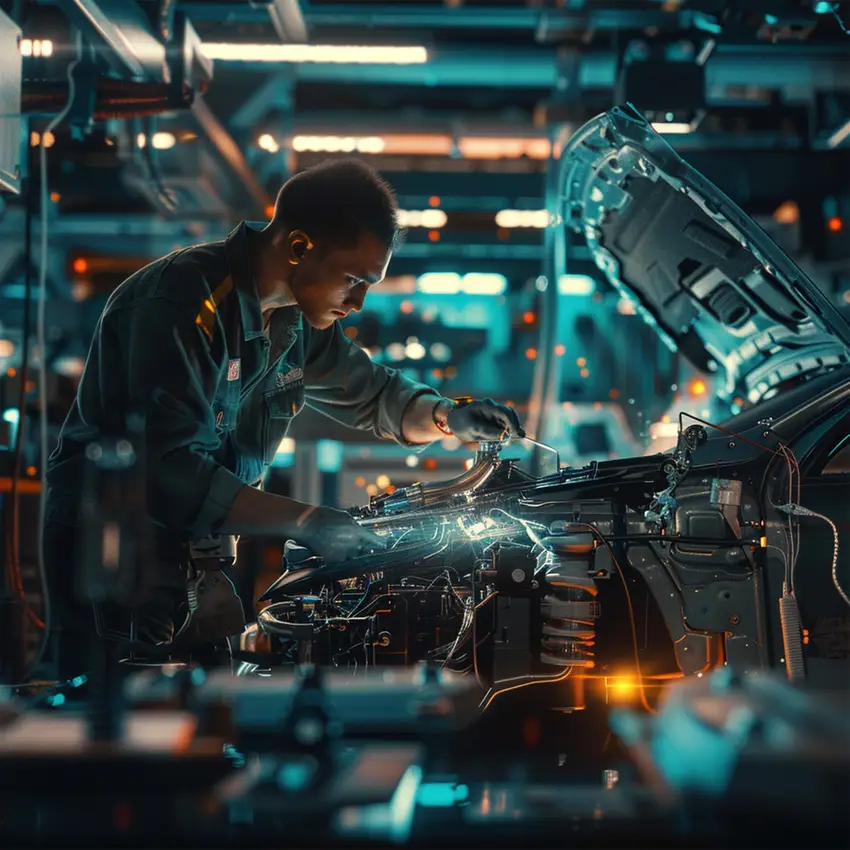
Machinists

Did you know?

Machinists typically need formal training through apprenticeships, community college programs, or vocational schools to master precision manufacturing techniques and computer-controlled machinery.

At a Glance

Median Wage

$57,659.02 Avg/yr

Growth

Stable

Top Skill

Reading Comprehension

Key Responsibilities

  • Lay out, measure, and mark metal stock to display placement of cuts.
  • Prepare working sketches for the illustration of product appearance.
  • Calculate dimensions or tolerances, using instruments, such as micrometers or vernier calipers.
  • Dispose of scrap or waste material in accordance with company policies and environmental regulations.
  • Measure, examine, or test completed units to check for defects and ensure conformance to specifications, using precision instruments, such as micrometers.
  • Monitor the feed and speed of machines during the machining process.
  • Diagnose machine tool malfunctions to determine need for adjustments or repairs.
  • Design fixtures, tooling, or experimental parts to meet special engineering needs.
  • Align and secure holding fixtures, cutting tools, attachments, accessories, or materials onto machines.
  • Establish work procedures for fabricating new structural products, using a variety of metalworking machines.
  • Support metalworking projects from planning and fabrication through assembly, inspection, and testing, using knowledge of machine functions, metal properties, and mathematics.
  • Set up, adjust, or operate basic or specialized machine tools used to perform precision machining operations.
  • Separate scrap waste and related materials for reuse, recycling, or disposal.
  • Confer with engineering, supervisory, or manufacturing personnel to exchange technical information.
  • Maintain machine tools in proper operational condition.
  • Advise clients about the materials being used for finished products.
  • Program computers or electronic instruments, such as numerically controlled machine tools.
  • Evaluate machining procedures and recommend changes or modifications for improved efficiency or adaptability.
  • Install repaired parts into equipment or install new equipment.
  • Operate equipment to verify operational efficiency.
  • Install experimental parts or assemblies, such as hydraulic systems, electrical wiring, lubricants, or batteries into machines or mechanisms.
  • Set up or operate metalworking, brazing, heat-treating, welding, or cutting equipment.
  • Study sample parts, blueprints, drawings, or engineering information to determine methods or sequences of operations needed to fabricate products.
  • Confer with numerical control programmers to check and ensure that new programs or machinery will function properly and that output will meet specifications.
  • Test experimental models under simulated operating conditions, for purposes such as development, standardization, or feasibility of design.
  • Check work pieces to ensure that they are properly lubricated or cooled.
  • Fit and assemble parts to make or repair machine tools.
  • Dismantle machines or equipment, using hand tools or power tools to examine parts for defects and replace defective parts where needed.
  • Machine parts to specifications, using machine tools, such as lathes, milling machines, shapers, or grinders.

Career Considerations

Technical Training Requirements

Machinists typically need formal training through apprenticeships, community college programs, or vocational schools to master precision manufacturing techniques and computer-controlled machinery.

Automation and Job Market Evolution

The profession faces ongoing changes due to automation and CNC technology, requiring continuous skill updates while maintaining strong demand for skilled operators in advanced manufacturing.

Geographic Job Concentration

Employment opportunities are heavily concentrated in manufacturing hubs across the Midwest, Southeast, and certain metropolitan areas with aerospace or automotive industries.

Want to dig deeper?

Talk to blinky to learn more.

Start chatting
BETA
New York

25 Kent Ave, Suite 401
Brooklyn, NY
11249


North Carolina

204 N Person
Street. Raleigh, NC
27601

Australia

Level 4/80
Wentworth Ave,
Surry Hills,
Sydney, 2010