Magnetic Resonance Imaging Technologists
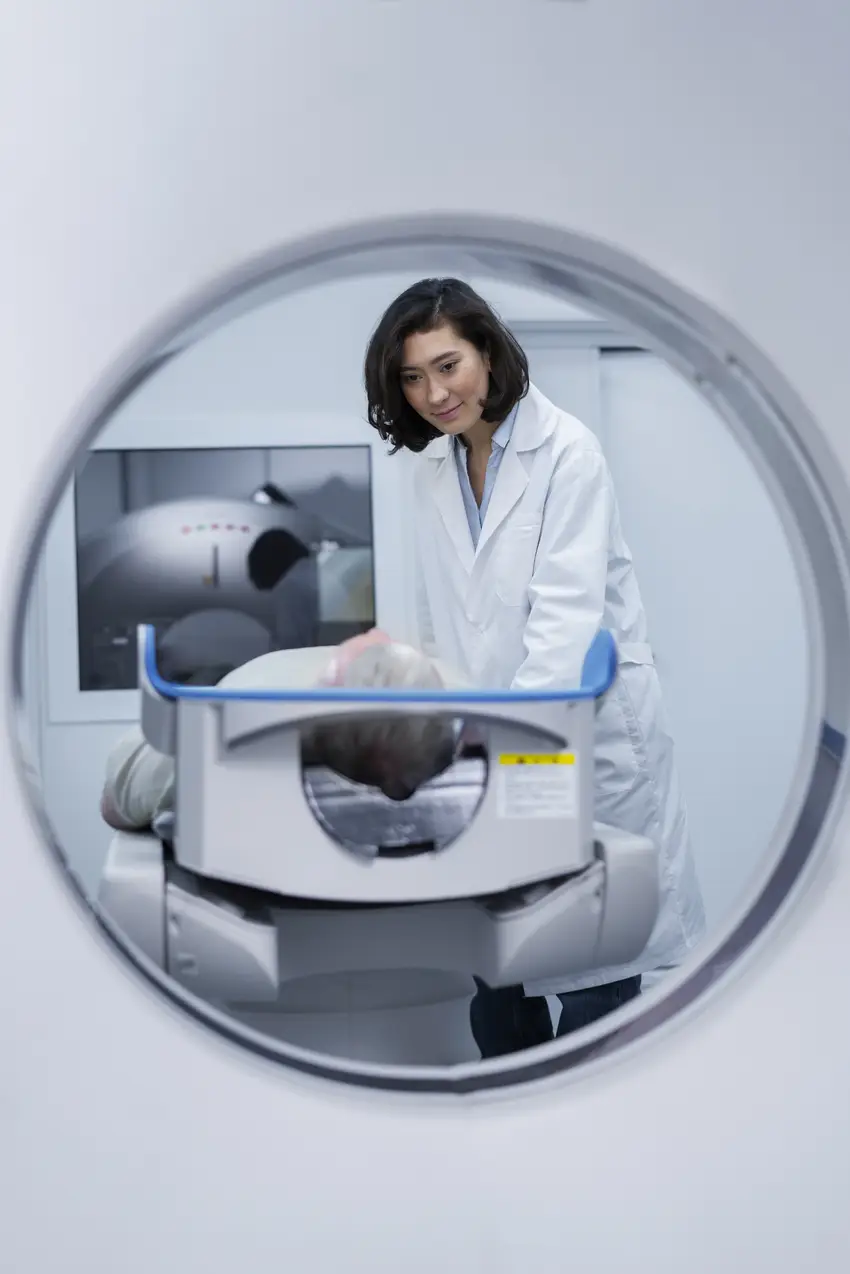
MRI technologists operate powerful magnetic resonance imaging machines to create detailed pictures of the inside of patients' bodies, helping doctors diagnose injuries and diseases. They work directly with patients by explaining procedures, positioning them correctly for scans, and ensuring their safety by screening for metal objects or medical devices that could be dangerous near the strong magnets. These healthcare professionals use cutting-edge technology and computer systems to capture high-quality images, often working in hospitals, clinics, or imaging centers as part of a medical team. The job requires attention to detail, compassion for patients, and typically an associate degree in radiologic technology or MRI technology.
Did you know?
MRI Technologists must obtain ARRT (American Registry of Radiologic Technologists) certification and meet state licensing requirements, which typically include completing an accredited program and passing national examinations.
At a glance
Typical average pay
$90,900 Avg/yr
Growth
Fast growing
Top skill
Reading Comprehension
Things to consider
Physical and Emotional Demands
The role requires standing for extended periods, lifting patients, and managing claustrophobic or anxious patients during lengthy scanning procedures.
Job Market Stability and Growth
The U.S. Bureau of Labor Statistics projects strong job growth for MRI Technologists due to an aging population and increased demand for diagnostic imaging services.
Key responsibilities
Review physicians' orders to confirm prescribed exams.
Conduct screening interviews of patients to identify contraindications, such as ferrous objects, pregnancy, prosthetic heart valves, cardiac pacemakers, or tattoos.
Provide headphones or earplugs to patients to improve comfort and reduce unpleasant noise.
Explain magnetic resonance imaging (MRI) procedures to patients, patient representatives, or family members.
Operate optical systems to capture dynamic magnetic resonance imaging (MRI) images, such as functional brain imaging, real-time organ motion tracking, or musculoskeletal anatomy and trajectory visualization.