Maintenance Helpers
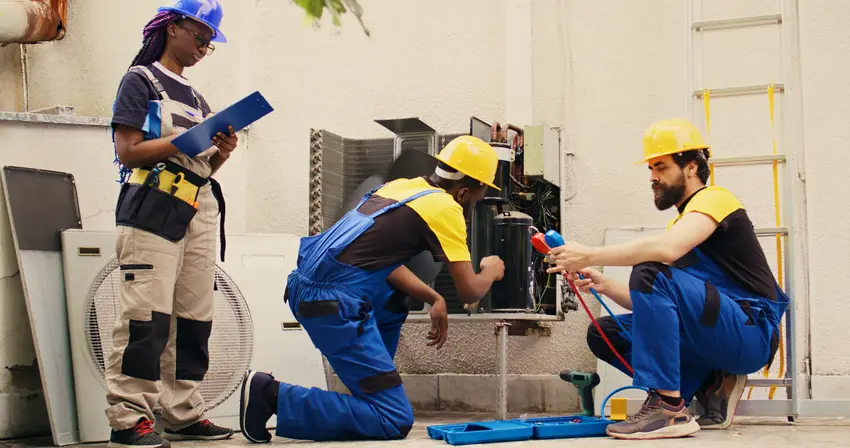
Maintenance helpers work alongside skilled technicians to keep machines, vehicles, and equipment running smoothly. You'll supply tools and materials, test equipment for problems, and help with basic repairs using both hand tools and power tools. This hands-on job teaches you valuable technical skills while working as part of a team in workshops, factories, or service centers. It's a great entry point into skilled trades that can lead to becoming a certified technician or mechanic.
Did you know?
This occupation requires physical stamina and adherence to strict OSHA safety protocols, as workers frequently lift heavy materials, work in confined spaces, and use power tools.
At a glance
Typical average pay
$39,800 Avg/yr
Growth
Stable
Top skill
Troubleshooting
Things to consider
Career Advancement Pathways
Helper positions typically serve as entry points to skilled trades, with opportunities to advance to journeyman or technician roles through apprenticeships and on-the-job training.
Training and Certification Needs
While formal education requirements are minimal, obtaining industry-specific certifications and completing vocational training programs significantly enhance employment prospects and earning potential.
Key responsibilities
Disassemble broken or defective equipment to facilitate repair and reassemble equipment when repairs are complete.
Hold or supply tools, parts, equipment, and supplies for other workers.
Diagnose electrical problems and install and rewire electrical components.
Examine and test machinery, equipment, components, and parts for defects to ensure proper functioning.
Design, weld, and fabricate parts, using blueprints or other mechanical plans.