Manufacturing Molder
Overview
Manufacturing molders create products by shaping materials like clay, glass, plaster, and concrete into items such as tiles, pipes, figurines, and decorative pieces. You'll operate specialized machinery and use your hands to craft products, then inspect and measure everything to ensure it meets quality standards. The work involves designing custom molds, mixing materials, and using modern manufacturing equipment alongside traditional crafting techniques. This career combines creativity with technical skills and often involves collaborating with design teams and maintaining client relationships for custom orders.
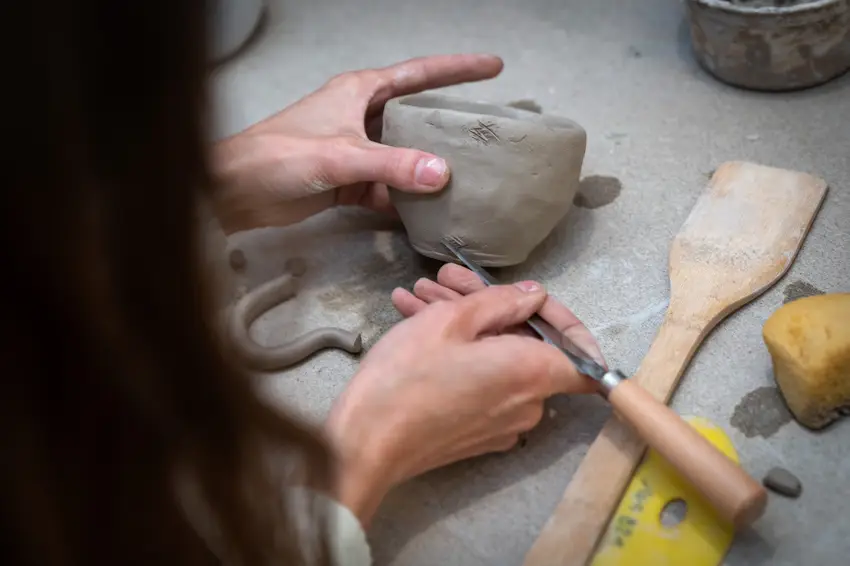
Did you know?
This occupation requires physical stamina and adherence to strict safety protocols when working with potentially hazardous materials and heavy machinery in manufacturing environments.
At a Glance
Median Wage
$45,549.35 Avg/yr
Growth
Fast Growing
Top Skill
Service Orientation
Key Responsibilities
- Pour, pack, spread, or press plaster, concrete, or other materials into or around models or molds.
- Remove excess materials and level and smooth wet mold mixtures.
- Measure and cut products to specified dimensions, using measuring and cutting instruments.
- Withdraw cores or other loose mold members after castings solidify.
- Clean, finish, and lubricate molds and mold parts.
- Align and assemble parts to produce completed products, using gauges and hand tools.
- Patch broken edges or fractures, using clay or plaster.
- Smooth surfaces of molds, using scraping tools or sandpaper.
- Measure ingredients and mix molding, casting material, or sealing compounds to prescribed consistencies, according to formulas.
- Assemble, insert, and adjust wires, tubes, cores, fittings, rods, or patterns into molds, using hand tools and depth gauges.
- Separate models or patterns from molds and examine products for accuracy.
- Brush or spray mold surfaces with parting agents or insert paper into molds to ensure smoothness and prevent sticking or seepage.
- Construct or form molds for use in casting clay or plaster objects, using plaster, fiberglass, rubber, casting machines, patterns, or flasks.
- Select sizes and types of molds according to instructions.
- Set the proper operating temperature for each casting.
- Bore holes or cut grates, risers, or pouring spouts in molds, using power tools.
- Verify dimensions of products, using measuring instruments, such as calipers, vernier gauges, or protractors.
- Repair mold defects, such as cracks or broken edges, using patterns, mold boxes, or hand tools.
- Trim or remove excess material, using scrapers, knives, or band saws.
- Operate and adjust controls of heating equipment to melt material or to cure, dry, or bake filled molds.
- Load or stack filled molds in ovens, dryers, or curing boxes, or on storage racks or carts.
- Engrave or stamp identifying symbols, letters, or numbers on products.
- Tap or tilt molds to ensure uniform distribution of materials.
- Read work orders or examine parts to determine parts or sections of products to be produced.
Career Considerations
Physical Demands and Safety Requirements
This occupation requires physical stamina and adherence to strict safety protocols when working with potentially hazardous materials and heavy machinery in manufacturing environments.
Skills Development and Training Pathways
Workers typically gain expertise through apprenticeships, vocational programs, or on-the-job training, with opportunities to specialize in specific materials like ceramics, glass, or composites.
Industry Outlook and Automation Impact
Employment in this field faces challenges from automation and overseas competition, making specialization in high-skill applications and advanced materials increasingly important for job security.