Meat, Poultry, and Fish Cutters and Trimmers
Meat cutters and trimmers work in food processing facilities where they inspect, cut, and prepare meat, poultry, and seafood for grocery stores and restaurants. They use specialized tools like knives, cleavers, and bandsaws to remove unwanted parts like bones, skin, and excess fat, then cut the meat into specific portions that customers want to buy. This hands-on job requires precision, attention to detail, and knowledge of food safety standards. Many meat cutters work in temperature-controlled environments and collaborate with teams to ensure high-quality products reach consumers.
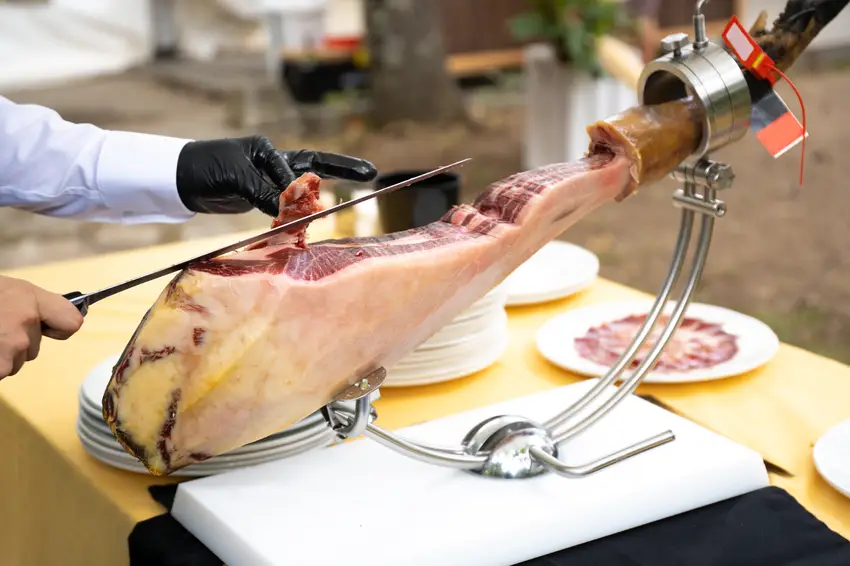
Did you know?
Must obtain and maintain certifications like ServSafe or HACCP to comply with strict USDA and FDA regulations governing meat handling in the United States.
At a glance
Typical average pay
$37,600 Avg/yr
Growth
Fast growing
Top skill
Active Listening
Things to consider
Physical Demands and Workplace Safety
The role involves significant physical strain including standing for long periods, lifting heavy cuts, and using sharp tools, requiring adherence to OSHA safety standards.
Career Advancement Opportunities
Can progress to supervisory roles, become a head butcher, or transition into meat department management within grocery chains or specialty meat markets.
Key responsibilities
Inspect meat products for defects, bruises or blemishes and remove them along with any excess fat.
Use knives, cleavers, meat saws, bandsaws, or other equipment to perform meat cutting and trimming.
Prepare ready-to-heat foods by filleting meat or fish or cutting it into bite-sized pieces, preparing and adding vegetables or applying sauces or breading.
Clean, trim, slice, and section carcasses for future processing.
Remove parts, such as skin, feathers, scales or bones, from carcass.