Media Technical Directors and Managers
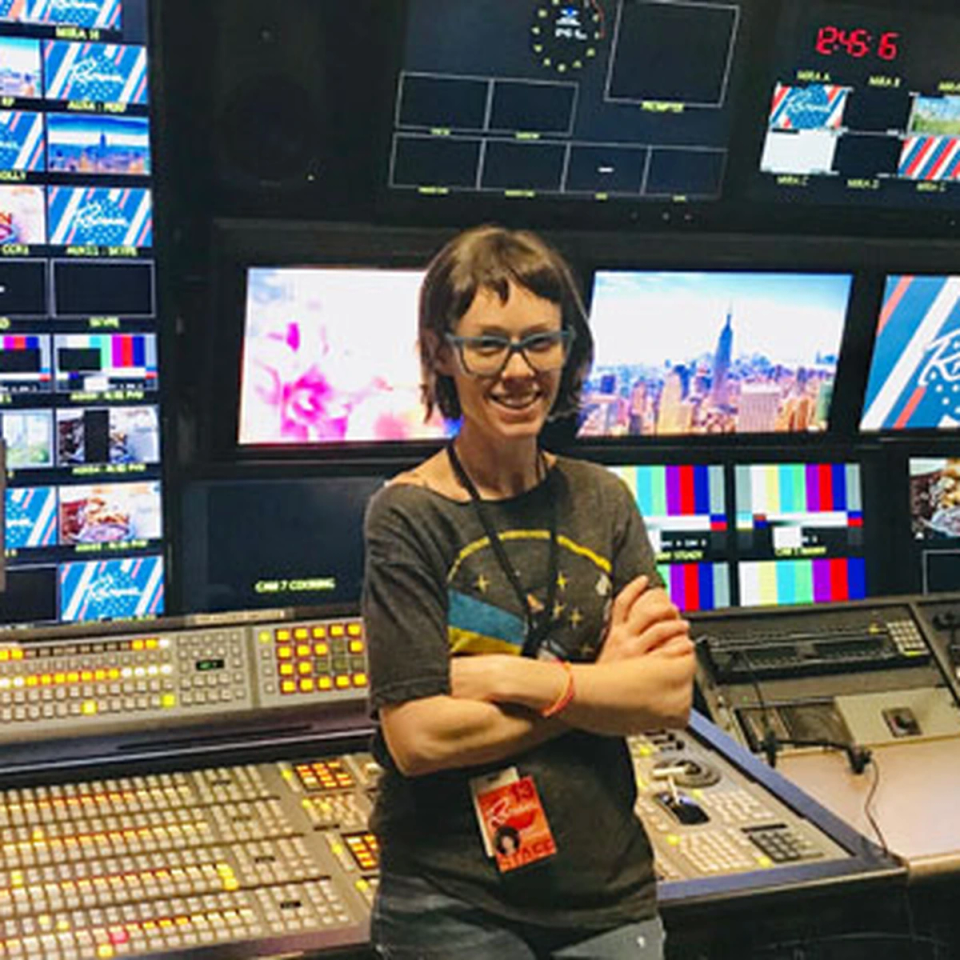
Media Technical Directors and Managers run the behind-the-scenes technology that makes TV and radio shows actually go on the air. They schedule studios, control rooms, and editing bays; lead teams of camera operators, audio engineers, and editors; and decide how to use tools like video switchers, digital audio consoles, graphics systems, and lighting to create a smooth, professional broadcast. They solve problems in real time—such as a camera failing during a live newscast—by making fast decisions, switching video sources, adjusting graphics, and coordinating with producers to keep the show looking and sounding great while also meeting strict station rules and broadcast regulations.
Did you know?
Staying current with rapidly evolving broadcast, streaming, and digital media technologies is essential as the American media landscape shifts toward cloud-based and IP-driven workflows.
At a glance
Typical average pay
$67,200 Avg/yr
Growth
Fast growing
Top skill
Coordination
Things to consider
Industry Transition Management
Navigating the ongoing transformation from traditional broadcast media to streaming and digital platforms requires understanding both legacy systems and emerging distribution methods.
Leadership and Budget Management
Developing strong management skills to oversee technical teams and equipment budgets is crucial as media companies face increasing pressure to optimize costs while maintaining quality.
Key responsibilities
Switch between video sources in a studio or on multi-camera remotes, using equipment such as switchers, video slide projectors, and video effects generators.
Train workers in use of equipment, such as switchers, cameras, monitors, microphones, and lights.
Supervise and assign duties to workers engaged in technical control and production of radio and television programs.
Collaborate with promotions directors to produce on-air station promotions.
Confer with operations directors to formulate and maintain fair and attainable technical policies for programs.