Medical Equipment Preparers
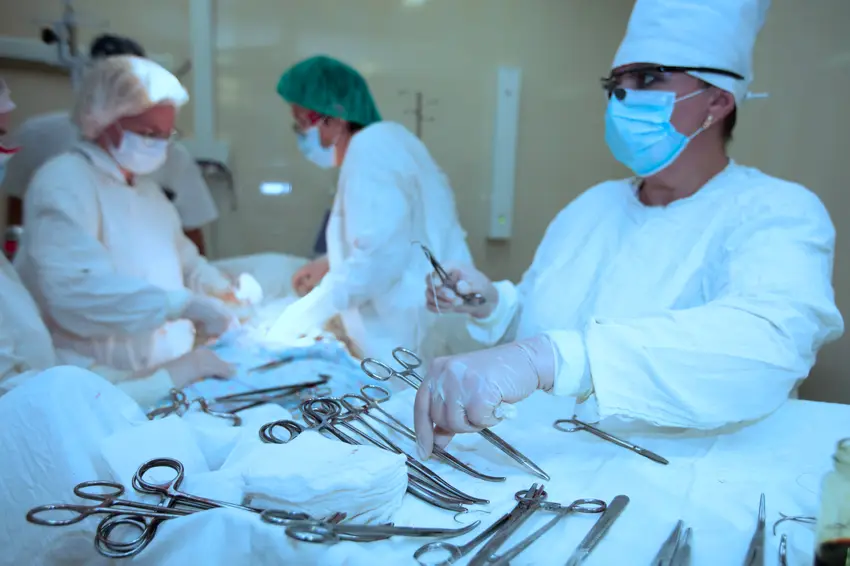
Medical Equipment Preparers ensure that all medical tools and equipment in hospitals and clinics are clean, sterile, and ready for use. You'll operate high-tech sterilization equipment like autoclaves, organize surgical instrument sets, stock emergency medical carts, and maintain detailed digital records of everything you process. This behind-the-scenes role requires attention to detail and teamwork with doctors and nurses, as your work directly impacts patient safety. Many people enter this field with a high school diploma and receive on-the-job training in medical terminology and sterilization techniques.
Did you know?
Most positions require completion of a specialized technical program or associate degree, along with manufacturer-specific certifications for medical equipment.
At a glance
Typical average pay
$44,900 Avg/yr
Growth
Fast growing
Top skill
Critical Thinking
Things to consider
Strong Job Growth Outlook
The Bureau of Labor Statistics projects faster-than-average growth for this field due to aging population and advancing medical technology in American healthcare.
Demanding Work Environment
Technicians must work in sterile hospital environments, often on-call for emergency repairs, and handle critical life-support equipment requiring precision and reliability.
Key responsibilities
Examine equipment to detect leaks, worn or loose parts, or other indications of disrepair.
Start equipment and observe gauges and equipment operation to detect malfunctions and to ensure equipment is operating to prescribed standards.
Record sterilizer test results.
Stock crash carts or other medical supplies.
Deliver equipment to specified hospital locations or to patients' residences.