Metal and Plastic Model Makers
Metal and Plastic Model Makers create working prototypes and models using specialized machines that shape metal and plastic materials. You'll set up equipment using blueprints, operate molding and casting machines, and test finished products to make sure they meet exact specifications. This hands-on job combines technical skills with precision work, using computer-controlled machinery and quality testing equipment. Many professionals in this field start with vocational training or apprenticeships and work in collaborative manufacturing environments.
Did you know?
Most positions require completion of vocational training, community college programs, or apprenticeships in machining, manufacturing, or related technical fields.
At a glance
Typical average pay
$59,200 Avg/yr
Growth
Stable
Top skill
Operation and Control
Things to consider
Industry Adaptation to Digital Technologies
The profession increasingly requires proficiency in CAD software and 3D printing technologies as traditional hand-crafting methods are supplemented by digital fabrication.
Manufacturing Sector Employment Volatility
Job opportunities are closely tied to the health of American manufacturing industries, which can fluctuate based on economic conditions and global competition.
Key responsibilities
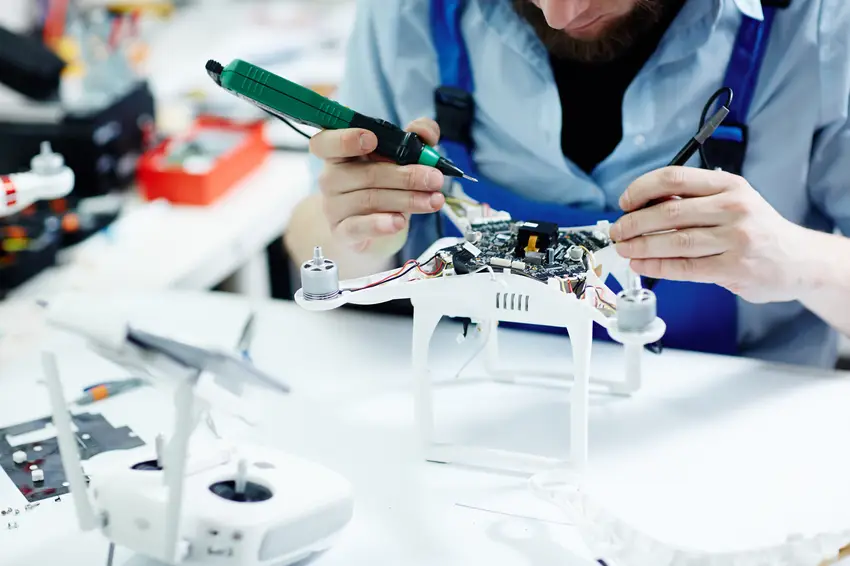
Wire and solder electrical and electronic connections and components.
Cut, shape, and form metal parts, using lathes, power saws, snips, power brakes and shears, files, and mallets.
Align, fit, and join parts, using bolts and screws or by welding or gluing.
Consult and confer with engineering personnel to discuss developmental problems and to recommend product modifications.
Set up and operate machines, such as lathes, drill presses, punch presses, or bandsaws, to fabricate prototypes or models.