Metal and Plastic Plating Machine Setters, Operators, and Tenders
These workers operate specialized machines that coat metal and plastic products with protective or decorative layers like chrome, zinc, or nickel. They set up automated equipment, carefully position materials, and monitor the coating process using electrolytic solutions or molten metals. The job requires precision and attention to detail as workers inspect finished products for defects and maintain quality standards. This role combines hands-on manufacturing skills with modern technology in industries ranging from automotive to electronics.
Did you know?
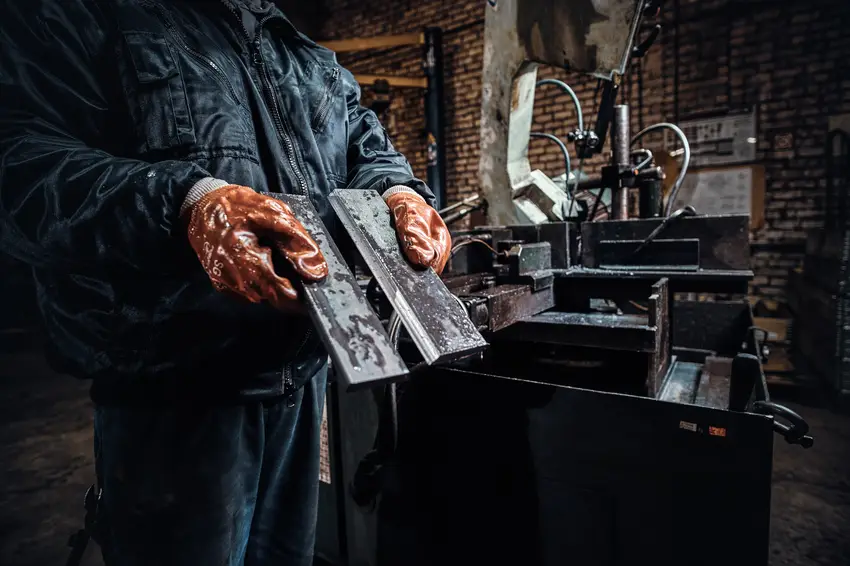
Workers must adhere to strict OSHA safety standards due to exposure to hazardous chemicals and materials used in plating processes.
At a glance
Typical average pay
$41,900 Avg/yr
Growth
Stable
Top skill
Operations Monitoring
Things to consider
Technical Skills Development
Success requires continuous learning of equipment operation, quality control procedures, and emerging plating technologies through vocational training or apprenticeships.
Manufacturing Industry Demand
Employment opportunities are closely tied to the health of American manufacturing sectors, particularly automotive and aerospace industries.
Key responsibilities
Position objects to be plated in frames, or suspend them from positive or negative terminals of power supplies.
Observe gauges to ensure that machines are operating properly, making adjustments or stopping machines when problems occur.
Read production schedules to determine setups of equipment and machines.
Suspend objects, such as parts or molds from cathode rods, or negative terminals, and immerse objects in plating solutions.
Determine sizes and compositions of objects to be plated, and amounts of electrical current and time required.