Metal Pourers and Casters
Metal pourers and casters operate specialized machines that pour molten metal into molds to create metal parts and products. You'll work with computer-controlled equipment to adjust temperatures and timing, read blueprints to set up machines correctly, and use precision tools to test that finished products meet exact specifications. This hands-on manufacturing career combines technical skills with attention to detail, and many workers learn through apprenticeships or technical training programs. You'll often collaborate with engineers and quality control teams in modern manufacturing facilities that use advanced safety equipment and automated systems.
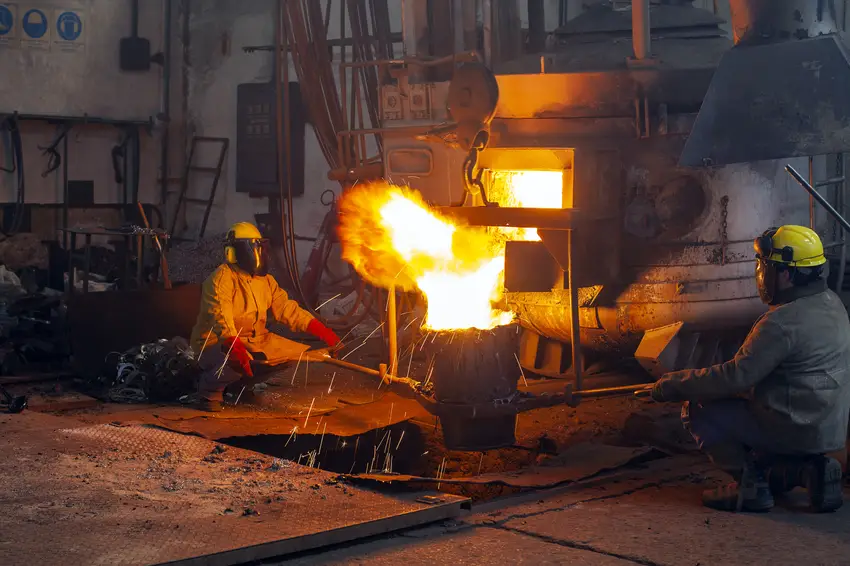
Did you know?
Workers must strictly adhere to OSHA safety standards due to exposure to molten metal, high temperatures, and heavy machinery in American manufacturing facilities.
At a glance
Typical average pay
$49,500 Avg/yr
Growth
Stable
Top skill
Operations Monitoring
Things to consider
Physical Demands and Endurance
The occupation requires significant physical strength, heat tolerance, and stamina for lifting heavy materials and working in demanding foundry environments.
Technical Skills Development
Advancement opportunities depend on mastering specialized equipment operation, quality control techniques, and potentially obtaining industry certifications.
Key responsibilities
Turn valves to circulate water through cores, or spray water on filled molds to cool and solidify metal.
Add metal to molds to compensate for shrinkage.
Read temperature gauges and observe color changes, adjusting furnace flames, torches, or electrical heating units as necessary to melt metal to specifications.
Assemble and embed cores in casting frames, using hand tools and equipment.
Collect samples, or signal workers to sample metal for analysis.