
Microsystems Engineers

Overview

Microsystems Engineers design and test tiny machines called microelectromechanical systems (MEMS) that can fit on a chip, such as mini sensors, switches, and actuators used in phones, cars, and medical devices. They plan research projects, choose materials, and use tools like cleanroom fabrication equipment, micromachining tools, and simulation software (such as COMSOL or ANSYS) to make sure these devices are accurate, durable, and energy efficient. They also lead new product projects, write technical documents and patents, and make decisions about cost, sustainability, and performance so their designs can be manufactured reliably in the real world.
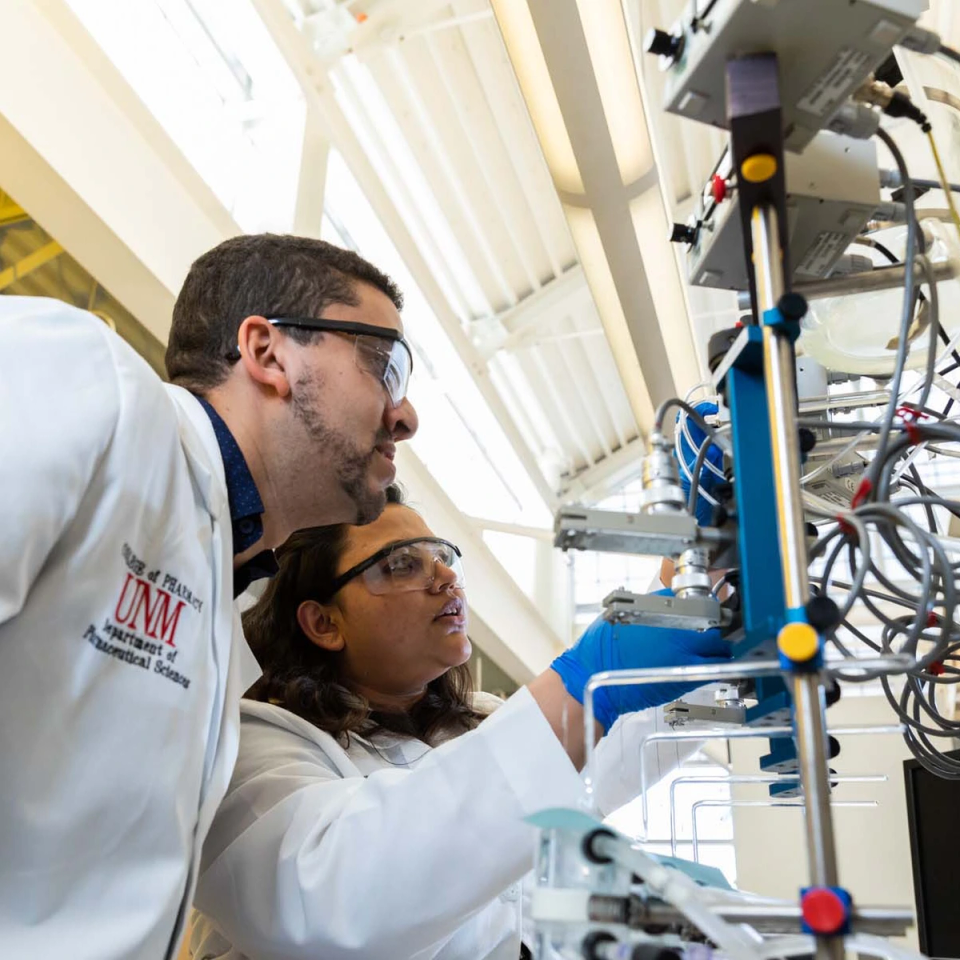
Microsystems Engineers

Did you know?

Most positions require a master's or doctoral degree in electrical engineering, mechanical engineering, or materials science, making continuous education essential for career advancement.

At a Glance

Growth

Stable

Top Skill

Monitoring

Key Responsibilities

  • Design or develop industrial air quality microsystems, such as carbon dioxide fixing devices.
  • Develop or validate specialized materials characterization procedures, such as thermal withstand, fatigue, notch sensitivity, abrasion, or hardness tests.
  • Communicate operating characteristics or performance experience to other engineers or designers for training or new product development purposes.
  • Create or maintain formal engineering documents, such as schematics, bills of materials, components or materials specifications, or packaging requirements.
  • Oversee operation of microelectromechanical systems (MEMS) fabrication or assembly equipment, such as handling, singulation, assembly, wire-bonding, soldering, or package sealing.
  • Develop or implement microelectromechanical systems (MEMS) processing tools, fixtures, gages, dies, molds, or trays.
  • Conduct experimental or virtual studies to investigate characteristics and processing principles of potential microelectromechanical systems (MEMS) technology.
  • Consider environmental issues when proposing product designs involving microelectromechanical systems (MEMS) technology.
  • Conduct acceptance tests, vendor-qualification protocols, surveys, audits, corrective-action reviews, or performance monitoring of incoming materials or components to ensure conformance to specifications.
  • Develop or file intellectual property and patent disclosure or application documents related to microelectromechanical systems (MEMS) devices, products, or systems.
  • Manage new product introduction projects to ensure effective deployment of microelectromechanical systems (MEMS) devices or applications.
  • Validate fabrication processes for microelectromechanical systems (MEMS), using statistical process control implementation, virtual process simulations, data mining, or life testing.
  • Demonstrate miniaturized systems that contain components, such as microsensors, microactuators, or integrated electronic circuits, fabricated on silicon or silicon carbide wafers.
  • Refine final microelectromechanical systems (MEMS) design to optimize design for target dimensions, physical tolerances, or processing constraints.
  • Design or develop energy products using nanomaterials or nanoprocesses, such as micro-nano machining.
  • Devise microelectromechanical systems (MEMS) production methods, such as integrated circuit fabrication, lithographic electroform modeling, or micromachining.
  • Design or develop sensors to reduce the energy or resource requirements to operate appliances, such as washing machines or dishwashing machines.
  • Develop or validate product-specific test protocols, acceptance thresholds, or inspection tools for quality control testing or performance measurement.
  • Plan or schedule engineering research or development projects involving microelectromechanical systems (MEMS) technology.
  • Research or develop emerging microelectromechanical (MEMS) systems to convert nontraditional energy sources into power, such as ambient energy harvesters that convert environmental vibrations into usable energy.
  • Conduct harsh environmental testing, accelerated aging, device characterization, or field trials to validate devices, using inspection tools, testing protocols, peripheral instrumentation, or modeling and simulation software.
  • Develop formal documentation for microelectromechanical systems (MEMS) devices, including quality assurance guidance, quality control protocols, process control checklists, data collection, or reporting.
  • Evaluate materials, fabrication methods, joining methods, surface treatments, or packaging to ensure acceptable processing, performance, cost, sustainability, or availability.
  • Investigate characteristics such as cost, performance, or process capability of potential microelectromechanical systems (MEMS) device designs, using simulation or modeling software.
  • Propose product designs involving microelectromechanical systems (MEMS) technology, considering market data or customer requirements.
  • Identify, procure, or develop test equipment, instrumentation, or facilities for characterization of microelectromechanical systems (MEMS) applications.
  • Design sensors or switches that require little or no power to operate for environmental monitoring or industrial metering applications.
  • Conduct or oversee the conduct of prototype development or microfabrication activities to ensure compliance to specifications and promote effective production processes.
  • Create schematics and physical layouts of integrated microelectromechanical systems (MEMS) components or packaged assemblies consistent with process, functional, or package constraints.
  • Develop customer documentation, such as performance specifications, training manuals, or operating instructions.
  • Conduct analyses addressing issues such as failure, reliability, or yield improvement.

Career Considerations

Advanced Education Requirements

Most positions require a master's or doctoral degree in electrical engineering, mechanical engineering, or materials science, making continuous education essential for career advancement.

Geographic Concentration

Job opportunities are primarily concentrated in tech hubs like Silicon Valley, Austin, and Boston, often requiring relocation to access the best career prospects.

Industry Volatility and Specialization

The field is subject to semiconductor industry cycles and requires staying current with rapidly evolving technologies like IoT, automotive sensors, and biomedical devices.

Want to dig deeper?

Talk to blinky to learn more.

Start chatting
BETA
New York

25 Kent Ave, Suite 401
Brooklyn, NY
11249


North Carolina

204 N Person
Street. Raleigh, NC
27601

Australia

Level 4/80
Wentworth Ave,
Surry Hills,
Sydney, 2010