Milling Machine Operator
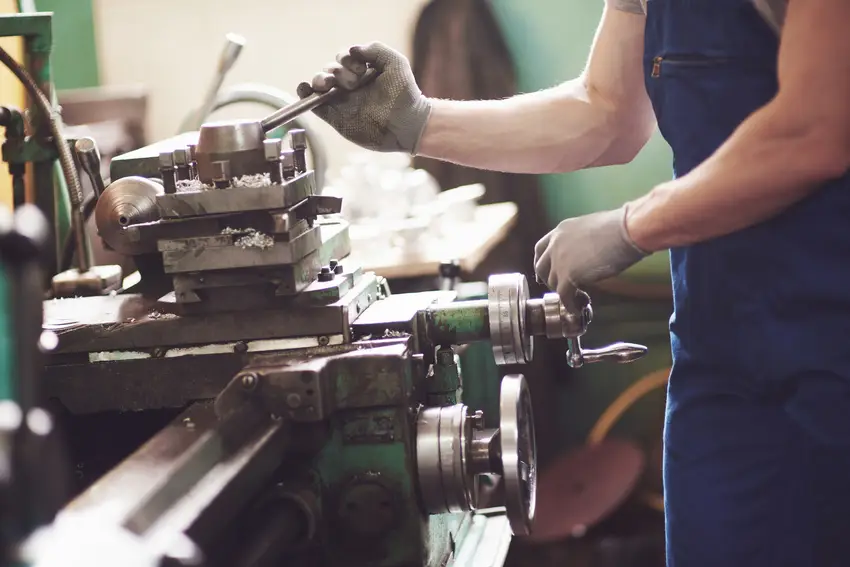
Milling machine operators set up and run specialized machines that cut, shape, and groove metal and plastic parts with incredible precision. You'll read blueprints, position materials using measuring tools like calipers and gauges, then control computer-guided machines to create everything from car parts to medical devices. This hands-on job combines technical problem-solving with craftsmanship, and you can enter the field through vocational training or apprenticeships. Many operators work in modern manufacturing facilities where teamwork and attention to detail are essential for producing high-quality components.
Did you know?
This occupation requires strict adherence to OSHA safety protocols and involves physical stamina for standing long periods while operating heavy machinery in potentially hazardous environments.
At a glance
Typical average pay
$51,700 Avg/yr
Growth
Stable
Top skill
Operations Monitoring
Things to consider
Technical Skills and Training Requirements
Workers typically need vocational training or apprenticeships to master precision machining techniques, blueprint reading, and computer-controlled equipment operation that meet American manufacturing standards.
Industry Employment Outlook
Employment in this field faces moderate decline due to automation and overseas manufacturing, though opportunities remain in specialized manufacturing and aerospace sectors across American industrial regions.
Key responsibilities
Move controls to set cutting specifications, to position cutting tools and workpieces in relation to each other, and to start machines.
Observe milling or planing machine operation, and adjust controls to ensure conformance with specified tolerances.
Select and install cutting tools and other accessories according to specifications, using hand tools or power tools.
Compute dimensions, tolerances, and angles of workpieces or machines according to specifications and knowledge of metal properties and shop mathematics.
Position and secure workpieces on machines, using holding devices, measuring instruments, hand tools, and hoists.