Mining Equipment Operators
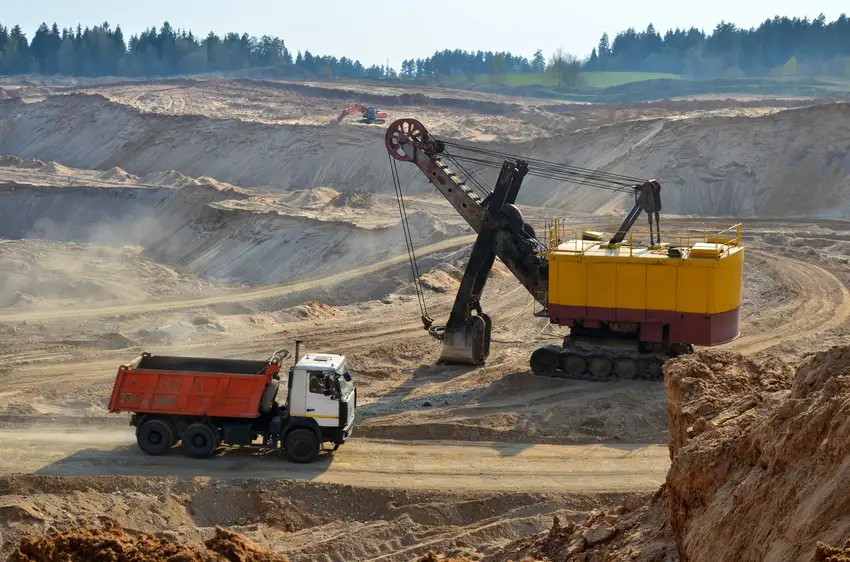
Mining equipment operators control massive machines like excavators, draglines, and power shovels to dig, move, and load materials at mining sites. You'll operate these powerful machines using joysticks, pedals, and digital controls while following safety protocols and reading construction plans. The job combines technical skills with hands-on work, including equipment maintenance and site preparation. Many operators start with vocational training or apprenticeships and work in collaborative teams at outdoor job sites.
Did you know?
Operators must complete extensive safety training and maintain MSHA certifications due to strict federal mining safety regulations in the United States.
At a glance
Typical average pay
$58,100 Avg/yr
Growth
Stable
Top skill
Operation and Control
Things to consider
Physical Demands and Remote Work Locations
The role requires working long shifts in outdoor conditions and often involves employment at remote mining sites across various American states.
Industry Volatility and Economic Cycles
Employment stability is affected by commodity price fluctuations and changing energy policies that impact the American mining sector.
Key responsibilities
Become familiar with digging plans, machine capabilities and limitations, and efficient and safe digging procedures in a given application.
Lubricate, adjust, or repair machinery and replace parts, such as gears, bearings, or bucket teeth.
Move levers, depress foot pedals, and turn dials to operate power machinery, such as power shovels, stripping shovels, scraper loaders, or backhoes.
Move materials over short distances, such as around a construction site, factory, or warehouse.
Receive written or oral instructions regarding material movement or excavation.