Mixing and Blending Machine Operators
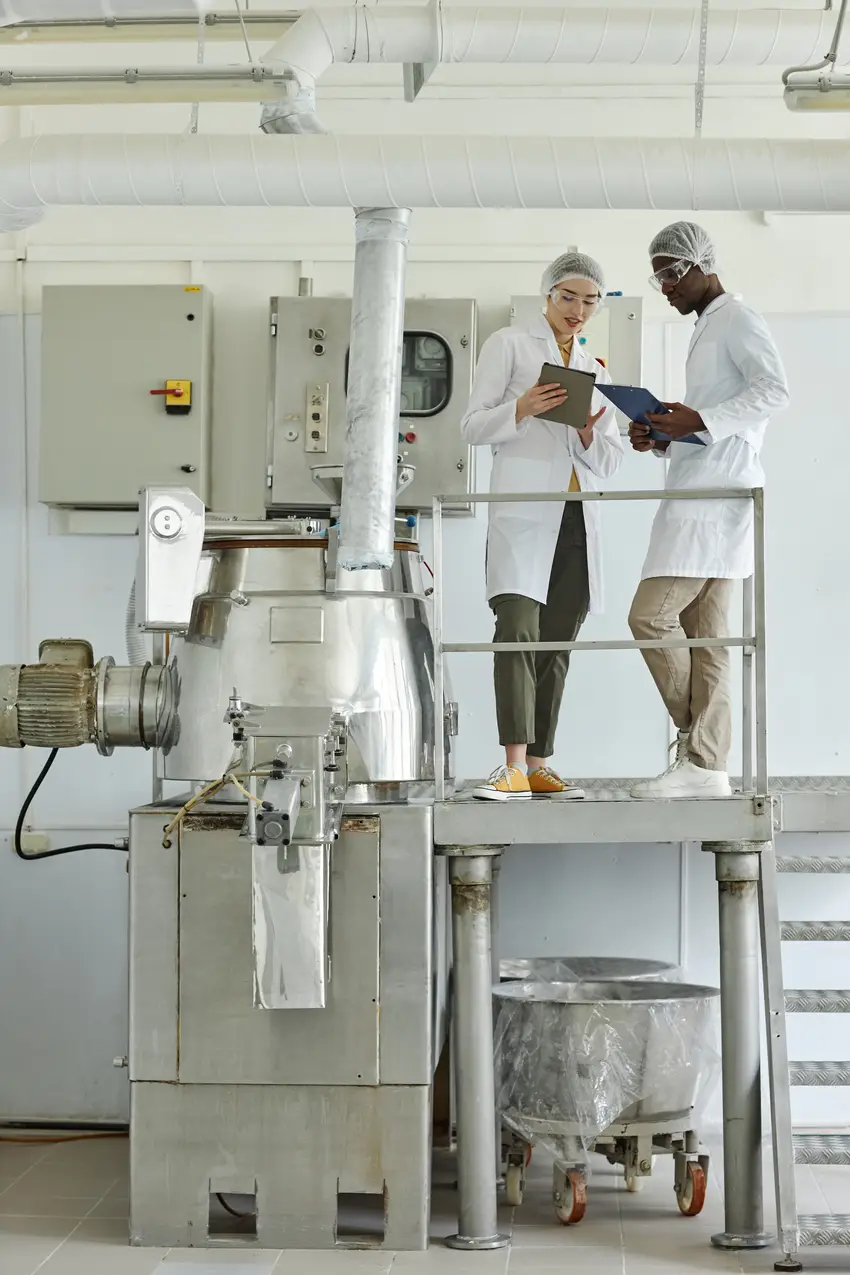
Mixing and blending machine operators run specialized equipment that combines different materials like chemicals, food ingredients, paints, or cosmetics to create the products we use every day. You'll measure precise amounts of ingredients, operate computerized mixing machines, and monitor the process to ensure everything blends perfectly and safely. This job requires attention to detail and following strict formulas, similar to following a recipe but on an industrial scale. Many operators work in modern manufacturing facilities with advanced safety systems and collaborate with quality control teams to test samples and maintain product standards.
Did you know?
Machine mixers must complete OSHA safety training and be prepared for physically demanding work involving heavy lifting, prolonged standing, and operating potentially hazardous equipment.
At a glance
Typical average pay
$47,400 Avg/yr
Growth
Stable
Top skill
Operations Monitoring
Things to consider
Technical Certification Requirements
Many employers require completion of vocational training programs or industry-specific certifications to operate mixing equipment safely and efficiently.
Manufacturing Sector Employment Outlook
Job opportunities are closely tied to the health of American manufacturing industries, with steady demand in food processing, construction materials, and chemical production sectors.
Key responsibilities
Operate or tend machines to mix or blend any of a wide variety of materials, such as spices, dough batter, tobacco, fruit juices, chemicals, livestock feed, food products, color pigments, or explosive ingredients.
Dislodge and clear jammed materials or other items from machinery or equipment, using hand tools.
Test samples of materials or products to ensure compliance with specifications, using test equipment.
Open valves to drain slurry from mixers into storage tanks.
Compound or process ingredients or dyes, according to formulas.