
Mobile Heavy Equipment Mechanics

Overview

Mobile heavy equipment mechanics inspect, maintain, and repair massive machines used in construction, farming, and transportation industries. They use advanced computerized diagnostic tools to troubleshoot complex engines, hydraulic systems, and electrical components on equipment like cranes, bulldozers, and farm machinery. These mechanics often travel directly to job sites to fix broken-down equipment, working hands-on with cutting-edge technology to keep critical operations running. The job combines problem-solving skills with technical expertise, and many mechanics learn through vocational programs or apprenticeships.
Mobile Heavy Equipment Mechanics

Did you know?

This occupation requires working outdoors in various weather conditions, lifting heavy parts, and performing physically demanding tasks in potentially hazardous environments.

At a Glance

Median Wage

$66,470.39 Avg/yr

Growth

Fast Growing

Top Skill

Instructing

Key Responsibilities

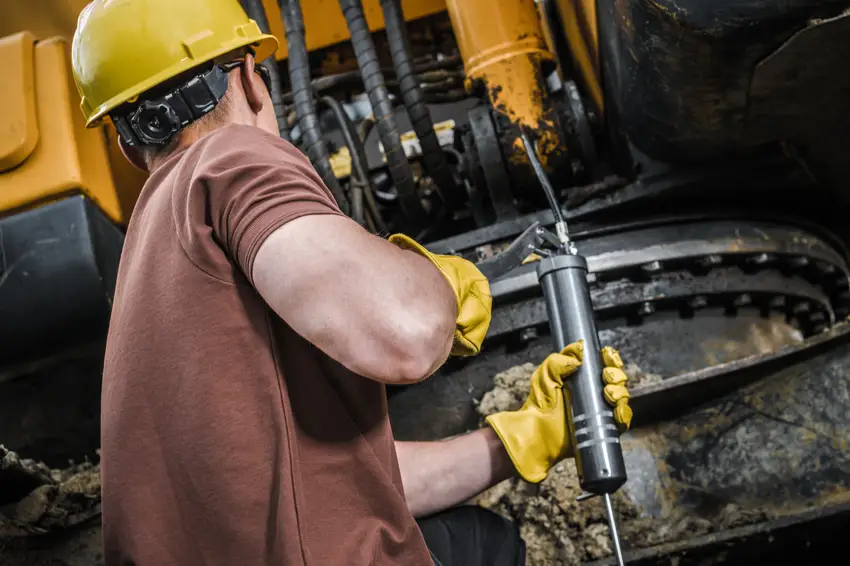
  • Clean, lubricate, and perform other routine maintenance work on equipment and vehicles.
  • Diagnose faults or malfunctions to determine required repairs, using engine diagnostic equipment such as computerized test equipment and calibration devices.
  • Fabricate needed parts or items from sheet metal.
  • Dismantle and reassemble heavy equipment using hoists and hand tools.
  • Schedule maintenance for industrial machines and equipment, and keep equipment service records.
  • Overhaul and test machines or equipment to ensure operating efficiency.
  • Read and understand operating manuals, blueprints, and technical drawings.
  • Research, order, and maintain parts inventory for services and repairs.
  • Fit bearings to adjust, repair, or overhaul mobile mechanical, hydraulic, and pneumatic equipment.
  • Adjust and maintain industrial machinery, using control and regulating devices.
  • Assemble gear systems, and align frames and gears.
  • Adjust, maintain, and repair or replace subassemblies, such as transmissions and crawler heads, using hand tools, jacks, and cranes.
  • Examine parts for damage or excessive wear, using micrometers and gauges.
  • Repair, rewire, and troubleshoot electrical systems.
  • Direct workers who are assembling or disassembling equipment or cleaning parts.
  • Repair and replace damaged or worn parts.
  • Operate and inspect machines or heavy equipment to diagnose defects.
  • Clean parts by spraying them with grease solvent or immersing them in tanks of solvent.
  • Weld or solder broken parts and structural members, using electric or gas welders and soldering tools.
  • Test mechanical products and equipment after repair or assembly to ensure proper performance and compliance with manufacturers' specifications.

Career Considerations

Physical Demands and Working Conditions

This occupation requires working outdoors in various weather conditions, lifting heavy parts, and performing physically demanding tasks in potentially hazardous environments.

Technical Training and Certification Requirements

Most positions require completion of a technical program or apprenticeship, along with ongoing certification maintenance to keep up with evolving heavy equipment technology.

Travel and Job Site Mobility

The mobile nature of this work often requires traveling to different construction sites, mines, or industrial locations, which may involve extended periods away from home.

Want to dig deeper?

Talk to blinky to learn more.

Start chatting
BETA
New York

25 Kent Ave, Suite 401
Brooklyn, NY
11249


North Carolina

204 N Person
Street. Raleigh, NC
27601

Australia

Level 4/80
Wentworth Ave,
Surry Hills,
Sydney, 2010