
Molding Machine Operator

Overview

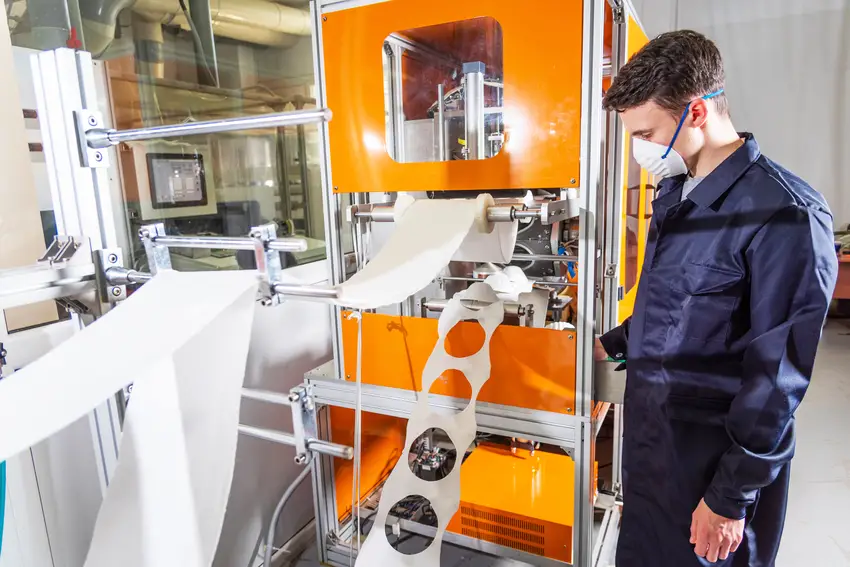
Molding machine operators run specialized machines that shape metal and plastic into parts for everything from car components to household items. You'll set up equipment, monitor the molding process, and use precision measuring tools to ensure each product meets exact specifications. This hands-on role combines technical skills with quality control, often in modern manufacturing facilities that use automated systems and computer-controlled machinery. Many operators work in team environments and can advance to supervisory roles or specialize in specific materials like aerospace-grade metals or medical plastics.
Molding Machine Operator

Did you know?

This occupation requires strict adherence to safety protocols and physical stamina due to working with heavy machinery, hot materials, and potentially hazardous chemicals in manufacturing environments.

At a Glance

Median Wage

$43,156.33 Avg/yr

Growth

Stable

Top Skill

Repairing

Key Responsibilities

  • Spray, smoke, or coat molds with compounds to lubricate or insulate molds, using acetylene torches or sprayers.
  • Pour or load metal or sand into melting pots, furnaces, molds, or hoppers, using shovels, ladles, or machines.
  • Perform maintenance work such as cleaning and oiling machines.
  • Smooth and clean inner surfaces of molds, using brushes, scrapers, air hoses, or grinding wheels, and fill imperfections with refractory material.
  • Skim or pour dross, slag, or impurities from molten metal, using ladles, rakes, hoes, spatulas, or spoons.
  • Inventory and record quantities of materials and finished products, requisitioning additional supplies as necessary.
  • Repair or replace damaged molds, pipes, belts, chains, or other equipment, using hand tools, hand-powered presses, or jib cranes.
  • Obtain and move specified patterns to work stations, manually or using hoists, and secure patterns to machines, using wrenches.
  • Connect water hoses to cooling systems of dies, using hand tools.
  • Trim excess material from parts, using knives, and grind scrap plastic into powder for reuse.
  • Operate hoists to position dies or patterns on foundry floors.
  • Preheat tools, dies, plastic materials, or patterns, using blowtorches or other equipment.
  • Select and install blades, tools, or other attachments for each operation.
  • Read specifications, blueprints, and work orders to determine setups, temperatures, and time settings required to mold, form, or cast plastic materials, as well as to plan production sequences.
  • Cool products after processing to prevent distortion.
  • Observe meters and gauges to verify and record temperatures, pressures, and press-cycle times.
  • Remove finished or cured products from dies or molds, using hand tools, air hoses, and other equipment, stamping identifying information on products when necessary.
  • Adjust equipment and workpiece holding fixtures, such as mold frames, tubs, and cutting tables, to ensure proper functioning.
  • Observe continuous operation of automatic machines to ensure that products meet specifications and to detect jams or malfunctions, making adjustments as necessary.
  • Set up, operate, or tend metal or plastic molding, casting, or coremaking machines to mold or cast metal or thermoplastic parts or products.
  • Mix and measure compounds, or weigh premixed compounds, and dump them into machine tubs, cavities, or molds.
  • Select coolants and lubricants, and start their flow.
  • Turn valves and dials of machines to regulate pressure, temperature, and speed and feed rates, and to set cycle times.
  • Remove parts, such as dies, from machines after production runs are finished.
  • Position and secure workpieces on machines, and start feeding mechanisms.
  • Maintain inventories of materials.
  • Measure and visually inspect products for surface and dimension defects to ensure conformance to specifications, using precision measuring instruments.
  • Install dies onto machines or presses and coat dies with parting agents, according to work order specifications.
  • Unload finished products from conveyor belts, pack them in containers, and place containers in warehouses.

Career Considerations

Safety and Physical Demands

This occupation requires strict adherence to safety protocols and physical stamina due to working with heavy machinery, hot materials, and potentially hazardous chemicals in manufacturing environments.

Skills Development and Advancement

Workers can advance their careers by obtaining certifications in machine operation, quality control, or supervisory roles, with many employers offering apprenticeships and on-the-job training programs.

Geographic Job Concentration

Employment opportunities are primarily concentrated in manufacturing-heavy states like Michigan, Ohio, Indiana, and Texas, requiring potential relocation for optimal job prospects.

Want to dig deeper?

Talk to blinky to learn more.

Start chatting
BETA
New York

25 Kent Ave, Suite 401
Brooklyn, NY
11249


North Carolina

204 N Person
Street. Raleigh, NC
27601

Australia

Level 4/80
Wentworth Ave,
Surry Hills,
Sydney, 2010