Motorboat Operators
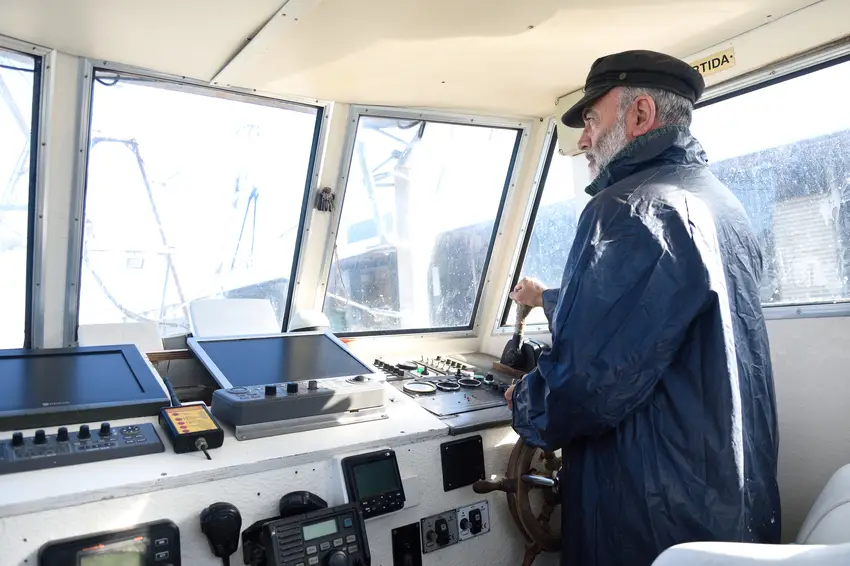
Motorboat operators captain small motor-driven boats that carry passengers for fishing trips, sightseeing tours, and harbor patrols. They're responsible for safely steering their vessels using modern GPS navigation systems and marine radios, while also serving as tour guides who share knowledge about local waters and wildlife. These professionals handle boat maintenance like checking oil and fluids, help passengers board safely, and ensure everyone's security throughout the journey. This career offers an exciting outdoor work environment where you can combine technical boating skills with customer service, and many operators start by getting their boat operator's license and gaining experience on the water.
Did you know?
Boat captains must obtain appropriate US Coast Guard credentials based on vessel size and passenger capacity, which requires training, testing, and regular renewal.
At a glance
Typical average pay
$54,700 Avg/yr
Growth
Stable
Top skill
Operation and Control
Things to consider
Seasonal Employment Patterns
Many boat captain positions in the US are seasonal, particularly in northern regions, requiring financial planning for off-season periods or alternative employment.
Safety and Liability Responsibilities
Captains bear significant legal responsibility for passenger and crew safety, requiring comprehensive insurance coverage and adherence to strict maritime safety protocols.
Key responsibilities
Oversee operation of vessels used for carrying passengers, motor vehicles, or goods across rivers, harbors, lakes, and coastal waters.
Service motors by performing tasks such as changing oil and lubricating parts.
Issue directions for loading, unloading, and seating in boats.
Operate engine throttles and steering mechanisms to guide boats on desired courses.
Report any observed navigational hazards to authorities.