Motorcycle Mechanics
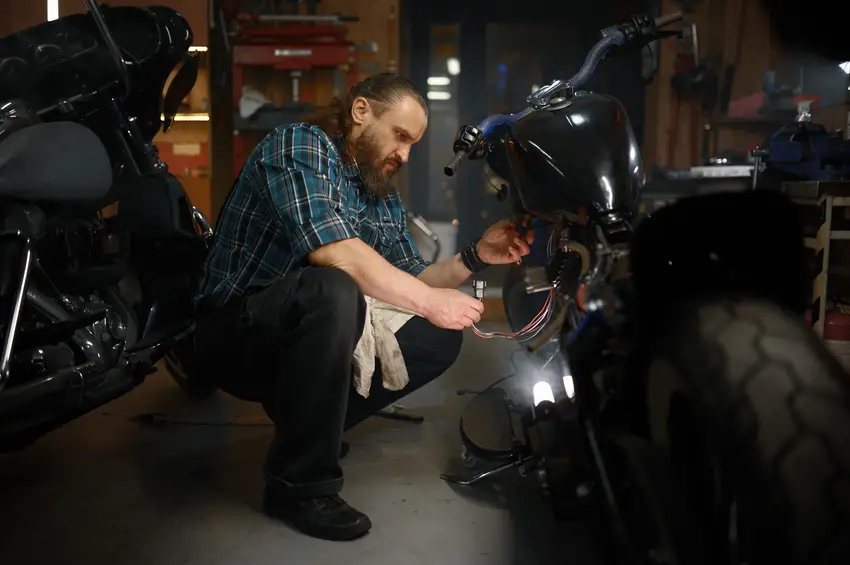
Motorcycle mechanics inspect, service, and repair motorcycles and other small engine equipment. They work on everything from engine components like carburetors and generators to motorcycle subassemblies such as brakes, transmissions, and drive chains. These professionals use a variety of tools including hand tools, power presses, and diagnostic equipment to troubleshoot problems and perform repairs. Many mechanics specialize in specific types of equipment and often work directly with customers to diagnose issues and explain repair needs.
Did you know?
Motorcycle repair work in most American regions follows seasonal demand patterns, with peak business during spring and summer months and potential income fluctuations during winter.
At a glance
Typical average pay
$46,600 Avg/yr
Growth
Fast growing
Top skill
Repairing
Things to consider
Physical Demands and Safety Risks
The occupation requires physical strength, manual dexterity, and adherence to safety protocols due to exposure to chemicals, heavy machinery, and potential injury from tools and equipment.
Certification and Training Requirements
Most employers prefer mechanics with formal training from vocational schools or community colleges, along with manufacturer-specific certifications for different motorcycle brands.
Key responsibilities
Reassemble and test subassembly units.
Disassemble subassembly units and examine condition, movement, or alignment of parts, visually or using gauges.
Connect test panels to engines and measure generator output, ignition timing, or other engine performance indicators.
Listen to engines, examine vehicle frames, or confer with customers to determine nature and extent of malfunction or damage.
Repair or adjust motorcycle subassemblies, such as forks, transmissions, brakes, or drive chains, according to specifications.