
Naturopathic Physicians

Overview

Naturopathic Physicians are licensed doctors who focus on helping the body heal itself using both modern medical tests and natural treatments. They interview patients, review medical records, perform physical exams, and order lab work or imaging tests like x-rays and ultrasounds to diagnose health conditions. Then they design detailed care plans that may include nutrition changes, herbal medicines, vitamins, exercise programs, and therapies such as hydrotherapy, homeopathy, or joint and soft-tissue adjustments, and they often coordinate care with other medical professionals to choose the safest and most effective options.
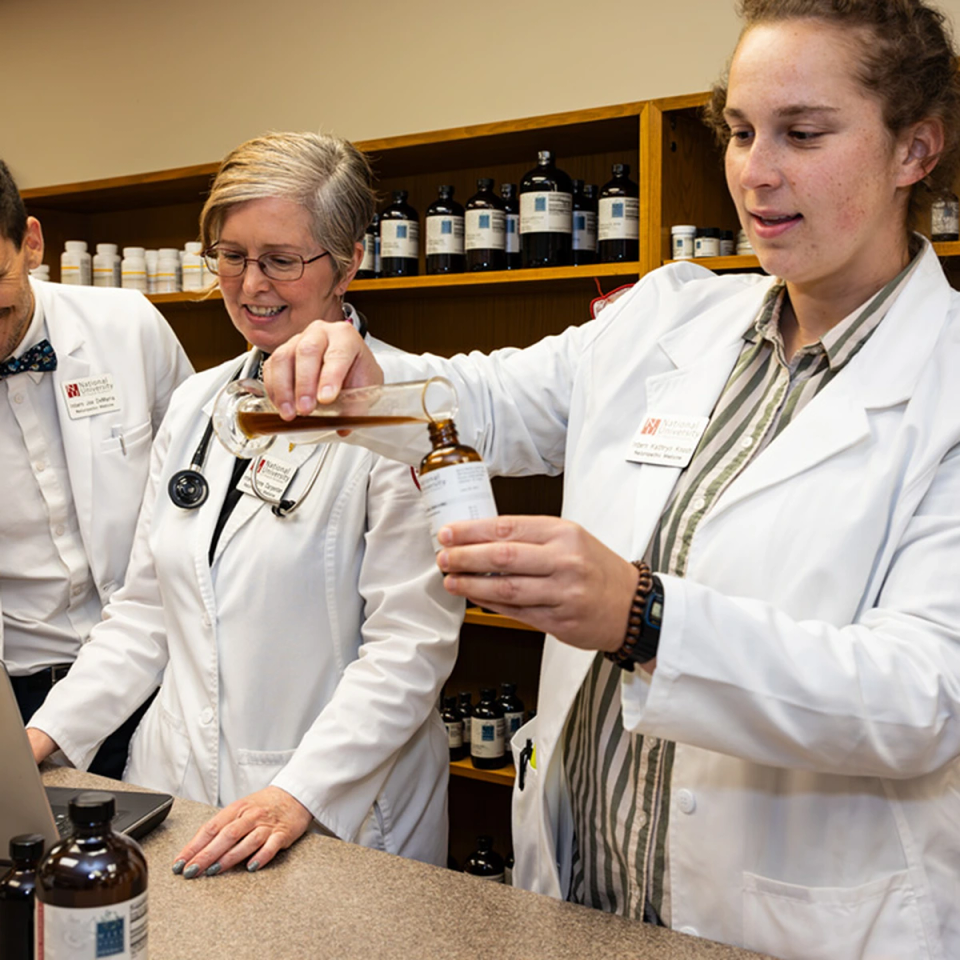
Naturopathic Physicians

Did you know?

Only 23 states plus Washington D.C. and the U.S. territories currently license naturopathic doctors, significantly limiting practice locations and requiring careful consideration of where to establish a career.

At a Glance

Growth

Stable

Top Skill

Systems Evaluation

Key Responsibilities

  • Administer, dispense, or prescribe natural medicines, such as food or botanical extracts, herbs, dietary supplements, vitamins, nutraceuticals, and amino acids.
  • Obtain medical records from previous physicians or other health care providers for the purpose of patient evaluation.
  • Document patients' histories, including identifying data, chief complaints, illnesses, previous medical or family histories, or psychosocial characteristics.
  • Advise patients about therapeutic exercise and nutritional medicine regimens.
  • Perform venipuncture or skin pricking to collect blood samples.
  • Monitor updates from public health agencies to keep abreast of health trends.
  • Conduct periodic public health maintenance activities such as immunizations and screenings for diseases and disease risk factors.
  • Maintain professional development through activities such as postgraduate education, continuing education, preceptorships, and residency programs.
  • Consult with other health professionals to provide optimal patient care, referring patients to traditional health care professionals as necessary.
  • Diagnose health conditions, based on patients' symptoms and health histories, laboratory and diagnostic radiology test results, or other physiological measurements, such as electrocardiograms and electroencephalographs.
  • Report patterns of patients' health conditions, such as disease status and births, to public health agencies.
  • Prescribe synthetic drugs under the supervision of medical doctors or within the allowances of regulatory bodies.
  • Interview patients to document symptoms and health histories.
  • Order diagnostic imaging procedures such as radiographs (x-rays), ultrasounds, mammograms, and bone densitometry tests, or refer patients to other health professionals for these procedures.
  • Conduct physical examinations and physiological function tests for diagnostic purposes.
  • Treat minor cuts, abrasions, or contusions.
  • Educate patients about health care management.
  • Administer treatments or therapies, such as homeopathy, hydrotherapy, Oriental or Ayurvedic medicine, electrotherapy, and diathermy, using physical agents including air, heat, cold, water, sound, or ultraviolet light to catalyze the body to heal itself.
  • Perform mobilizations and high-velocity adjustments to joints or soft tissues, using principles of massage, stretching, or resistance.
  • Perform minor surgical procedures, such as removing warts, moles, or cysts, sampling tissues for skin cancer or lipomas, and applying or removing sutures.

Career Considerations

State Licensing Variations

Only 23 states plus Washington D.C. and the U.S. territories currently license naturopathic doctors, significantly limiting practice locations and requiring careful consideration of where to establish a career.

Insurance Reimbursement Challenges

Most insurance plans do not cover naturopathic treatments, creating financial barriers for patients and requiring practitioners to develop cash-pay business models or seek alternative payment arrangements.

Integration with Conventional Healthcare

Growing consumer demand for holistic healthcare creates opportunities for collaboration with conventional medical providers, though practitioners must navigate varying levels of acceptance within the established healthcare system.

Want to dig deeper?

Talk to blinky to learn more.

Start chatting
BETA
New York

25 Kent Ave, Suite 401
Brooklyn, NY
11249


North Carolina

204 N Person
Street. Raleigh, NC
27601

Australia

Level 4/80
Wentworth Ave,
Surry Hills,
Sydney, 2010