Neurodiagnostic Technologists
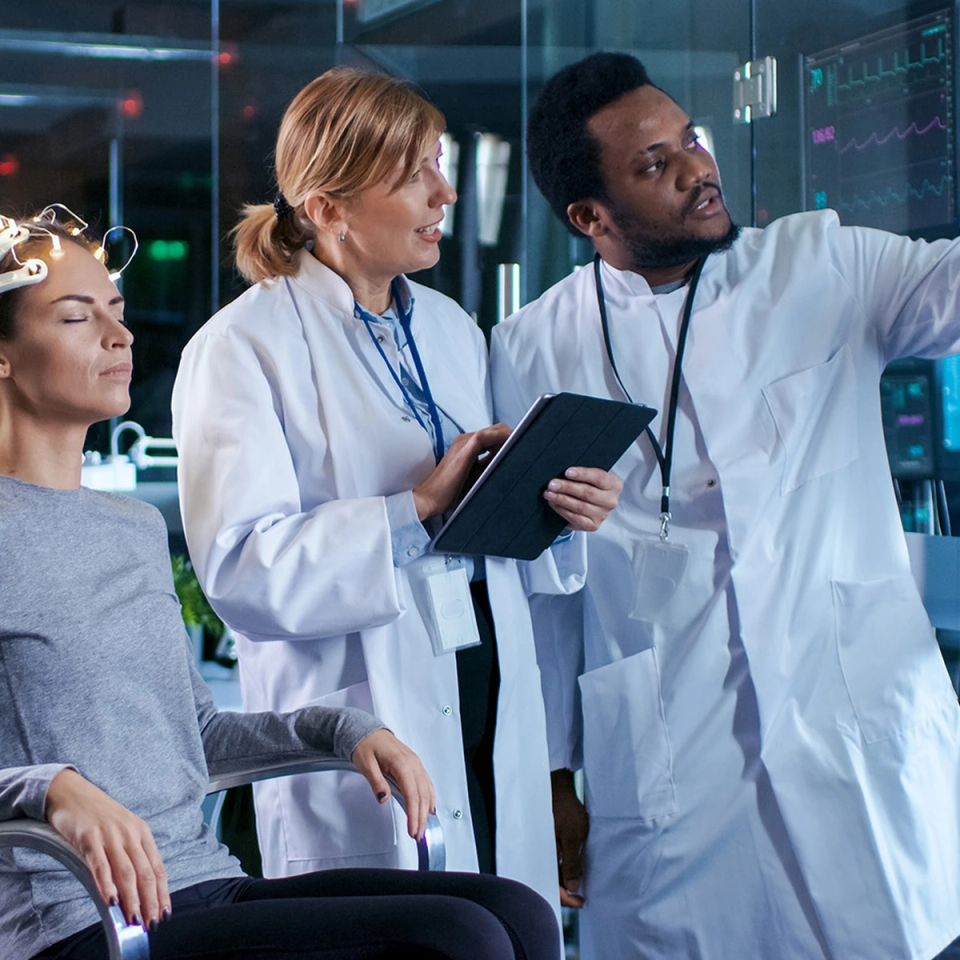
Neurodiagnostic technologists use advanced computers and sensors to record and study the brain’s and nervous system’s electrical activity. They set up tests such as EEGs (electroencephalograms), sleep studies (polysomnograms), nerve conduction studies, and monitoring during brain or spine surgery, carefully placing electrodes on a patient’s head or body and adjusting the equipment so the signals are clear. They analyze the recordings, mark any interference (like movement or loose wires), and write detailed technical reports that help neurologists and other doctors diagnose conditions such as epilepsy, sleep disorders, nerve damage, or brain injury.
Did you know?
Most positions require completion of an accredited neurodiagnostic technology program and certification through organizations like ABRET (American Board of Registration of Electroencephalographic and Evoked Potential Technologists).
At a glance
Typical average pay
$50,200 Avg/yr
Growth
Fast growing
Top skill
Active Listening
Things to consider
Growing Job Market Demand
The field is experiencing steady growth due to an aging population and increased awareness of neurological disorders, with the Bureau of Labor Statistics projecting faster-than-average job growth.
Emotionally Demanding Work Environment
Technologists regularly work with patients suffering from serious neurological conditions like epilepsy, brain tumors, and stroke, requiring strong emotional resilience and compassionate patient care skills.
Key responsibilities
Indicate artifacts or interferences derived from sources outside of the brain, such as poor electrode contact or patient movement, on electroneurodiagnostic recordings.
Monitor patients during tests or surgeries, using electroencephalographs (EEG), evoked potential (EP) instruments, or video recording equipment.
Conduct tests to determine cerebral death, the absence of brain activity, or the probability of recovery from a coma.
Participate in research projects, conferences, or technical meetings.
Attach electrodes to patients, using adhesives.