Non-Destructive Testing Specialists in Engineering
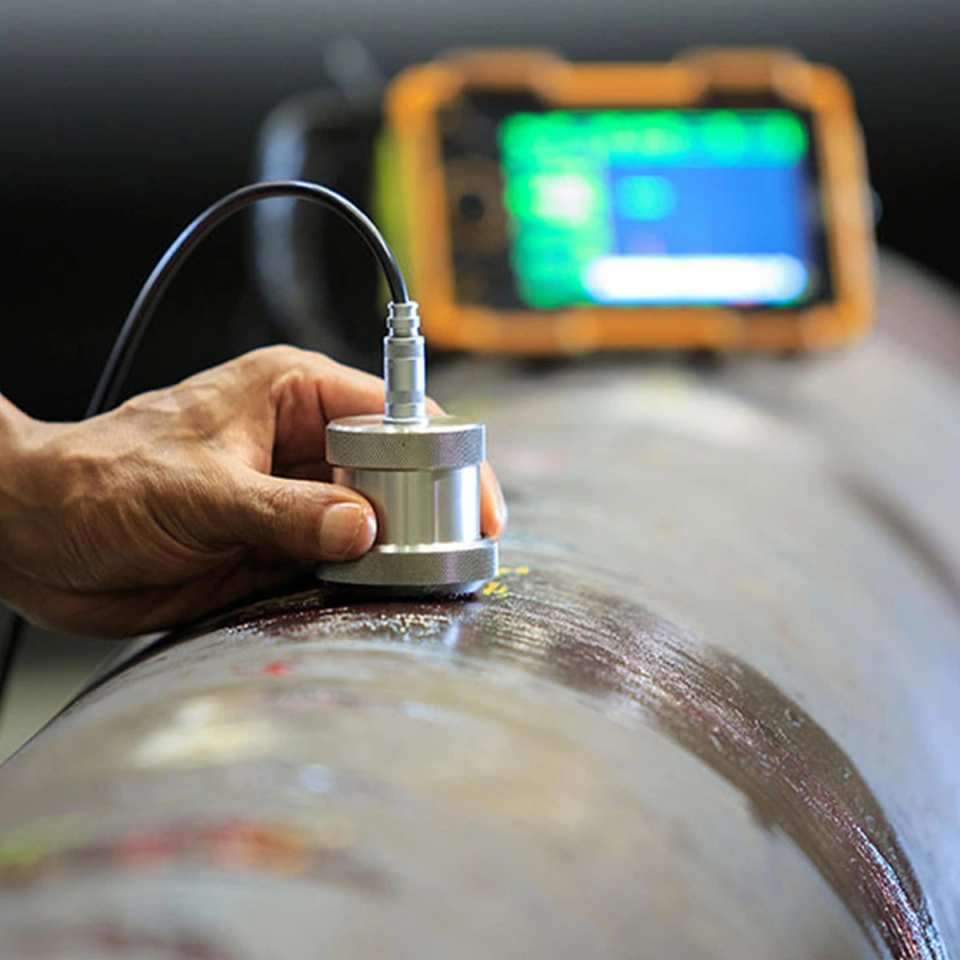
Non-Destructive Testing (NDT) Specialists in Engineering check the safety and quality of things like airplanes, bridges, trains, pipelines, and nuclear power parts without cutting them open or breaking them. They use advanced tools such as industrial x-ray machines, ultrasound probes, infrared cameras, magnetic particle testers, and fiber-optic scopes to find hidden cracks, corrosion, or other defects inside metal, concrete, and other materials. They also interpret test data, write detailed reports that must follow strict engineering codes and safety standards, and often lead teams or train new technicians on proper testing methods.
Did you know?
NDT Specialists in the US must obtain industry-recognized certifications from organizations like ASNT (American Society for Nondestructive Testing) to meet employer requirements and regulatory standards.
At a glance
Typical average pay
$75,800 Avg/yr
Growth
Stable
Top skill
Quality Control Analysis
Things to consider
Strong Industry Demand
High demand exists across American aerospace, energy, manufacturing, and infrastructure sectors due to strict safety regulations and aging infrastructure requiring regular inspection and maintenance.
Competitive Salary and Growth
NDT Specialists can expect median salaries of $60,000-$80,000 annually with strong job growth prospects driven by increased infrastructure investment and safety compliance needs.
Key responsibilities
Evaluate material properties, using radio astronomy, voltage and amperage measurement, or rheometric flow measurement.
Supervise or direct the work of non-destructive testing trainees or staff.
Document non-destructive testing methods, processes, or results.
Make radiographic images to detect flaws in objects while leaving objects intact.
Develop or use new non-destructive testing methods, such as acoustic emission testing, leak testing, and thermal or infrared testing.