Nuclear Monitoring Technicians in Radiation Safety
Nuclear Monitoring Technicians in Radiation Safety protect people and the environment by tracking where radiation is and how strong it is in power plants, research labs, and other nuclear facilities. They collect air, water, soil, and surface samples, then use tools such as Geiger counters, scintillation detectors, and spectrometers to measure contamination, calculate safe exposure times, and recommend decontamination steps. They also respond to alarms, brief workers on radiation levels, maintain and calibrate monitoring equipment, and enter detailed test results into computer systems so supervisors can make safe, informed decisions.
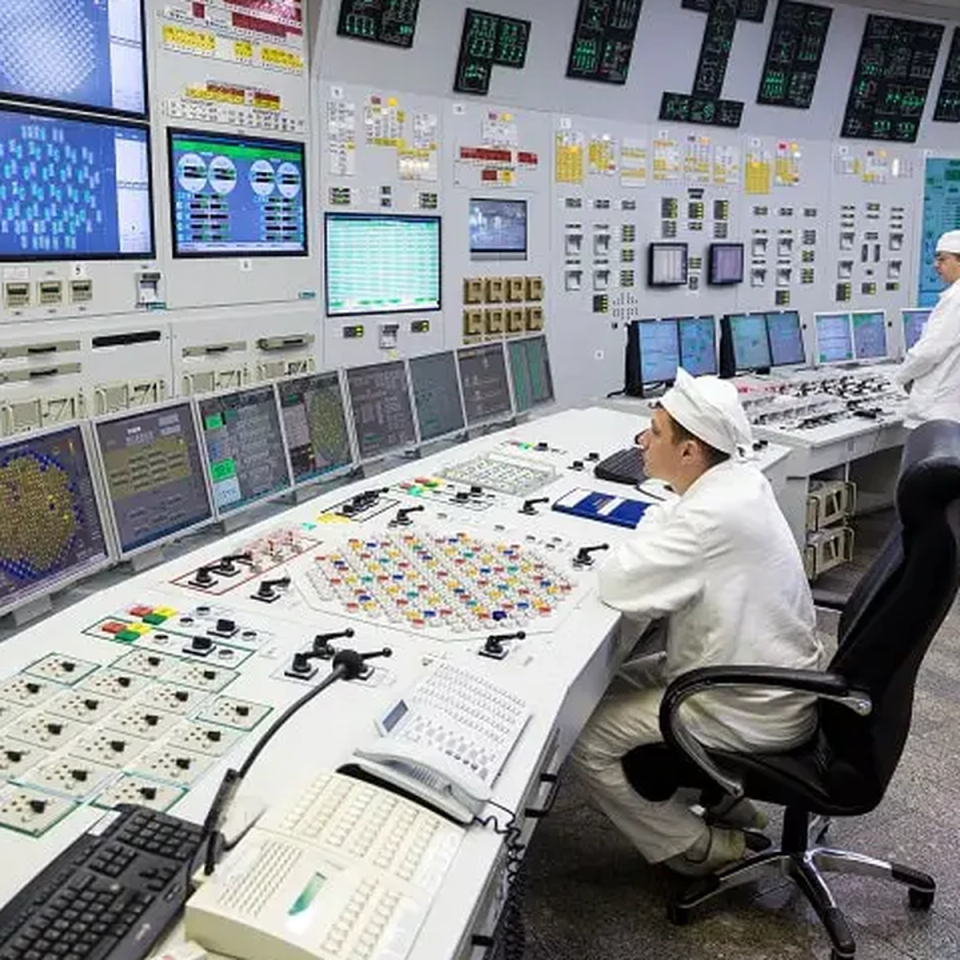
Did you know?
Many positions require federal security clearances due to the sensitive nature of nuclear facilities and materials in the United States.
At a glance
Typical average pay
$105,000 Avg/yr
Growth
Stable
Top skill
Monitoring
Things to consider
Strict Regulatory Compliance
Technicians must adhere to rigorous Nuclear Regulatory Commission (NRC) standards and undergo regular compliance training and assessments.
Specialized Certification and Training
The role requires completion of specialized nuclear technology programs and ongoing certification to maintain professional qualifications in the field.
Key responsibilities
Monitor personnel to determine the amounts and intensities of radiation exposure.
Provide initial response to abnormal events or to alarms from radiation monitoring equipment.
Inform supervisors when individual exposures or area radiation levels approach maximum permissible limits.
Determine intensities and types of radiation in work areas, equipment, or materials, using radiation detectors or other instruments.
Decontaminate objects by cleaning with soap or solvents or by abrading with wire brushes, buffing wheels, or sandblasting machines.