Nuclear Technicians
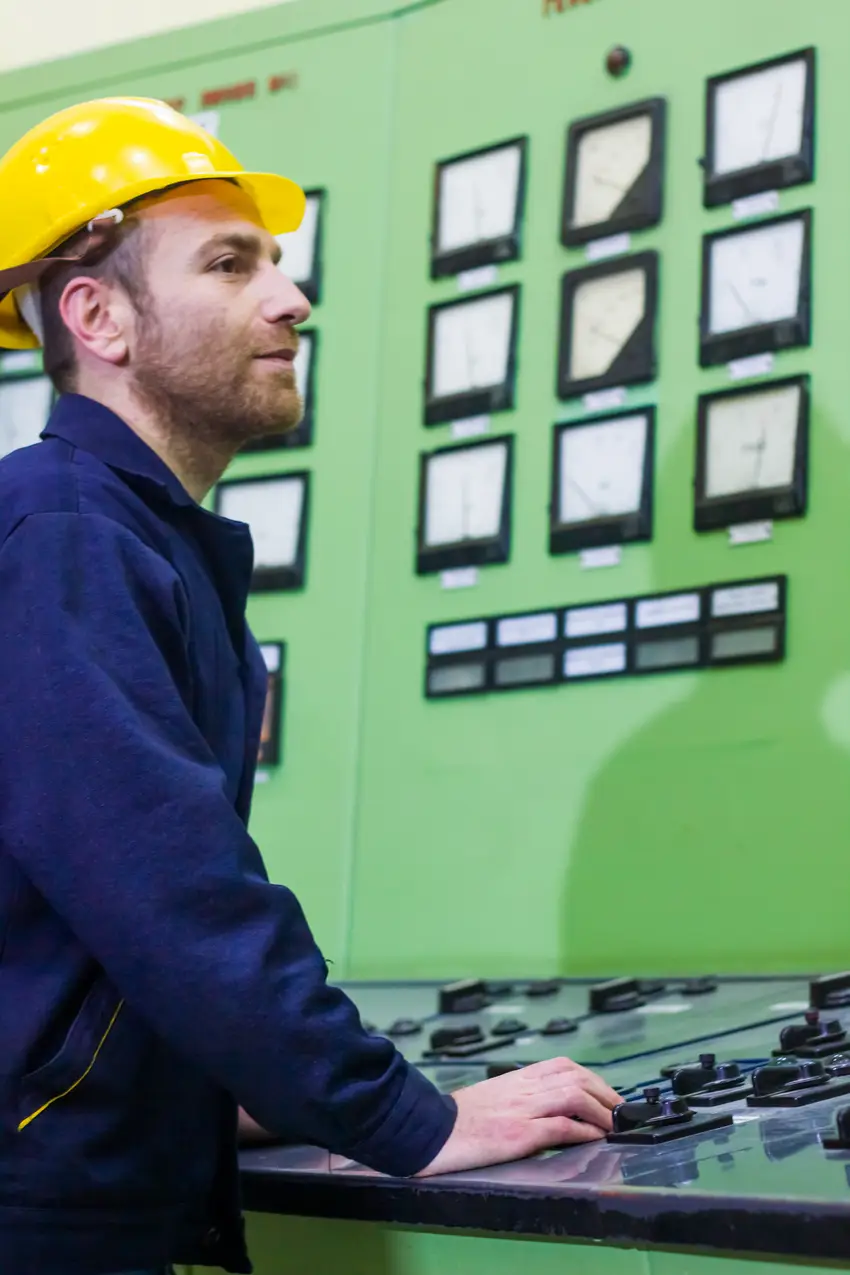
Nuclear technicians work alongside scientists and engineers to safely operate nuclear power plants and conduct nuclear research. They use advanced monitoring equipment to measure radiation levels, collect samples from air, water, and soil to test for contamination, and ensure all safety procedures are followed. These professionals play a crucial role in maintaining nuclear facilities and protecting both workers and the environment from radiation exposure. They often work in teams and use cutting-edge technology to monitor equipment performance and maintain the highest safety standards.
Did you know?
Many nuclear technician positions in the US require obtaining and maintaining federal security clearances due to the sensitive nature of nuclear materials and facilities.
At a glance
Typical average pay
$105,000 Avg/yr
Growth
Stable
Top skill
Operations Monitoring
Things to consider
Geographic Limitations
Job opportunities are concentrated near nuclear power plants, research facilities, and government installations, limiting career mobility to specific regions across the United States.
Strict Regulatory Compliance
Nuclear technicians must adhere to rigorous safety protocols and regulatory standards enforced by the Nuclear Regulatory Commission, requiring continuous training and certification maintenance.
Key responsibilities
Test plant equipment to ensure it is operating properly.
Calculate equipment operating factors, such as radiation times, dosages, temperatures, gamma intensities, or pressures, using standard formulas and conversion tables.
Communicate with accelerator maintenance personnel to ensure readiness of support systems, such as vacuum, water cooling, or radio frequency power sources.
Conduct surveillance testing to determine safety of nuclear equipment.
Identify and implement appropriate decontamination procedures, based on equipment and the size, nature, and type of contamination.