Nurse Anesthetists
Overview
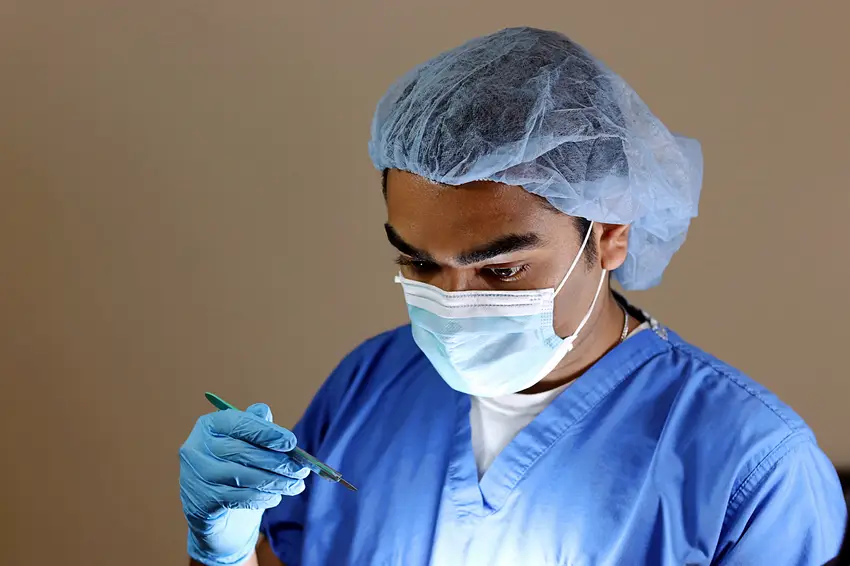
Nurse Anesthetists are specialized nurses who keep patients safe and comfortable during surgeries by administering anesthesia and monitoring vital signs. They evaluate patients before procedures, manage breathing equipment and medications, and respond quickly to emergencies using advanced medical technology. This career requires a master's degree in nurse anesthesia and combines critical thinking with hands-on patient care in operating rooms, hospitals, and outpatient centers. These healthcare professionals work closely with surgeons and medical teams, often enjoying flexible schedules and the satisfaction of directly impacting patient outcomes.
Did you know?
Becoming a CRNA requires a Master's or Doctoral degree in nurse anesthesia, typically taking 2-4 years beyond a BSN, representing a significant educational investment.
At a Glance
Median Wage
$205,258.79 Avg/yr
Growth
Fast Growing
Top Skill
Active Listening
Key Responsibilities
- Disassemble and clean anesthesia equipment.
- Select, order, or administer pre-anesthetic medications.
- Perform pre-anesthetic screenings, including physical evaluations and patient interviews, and document results.
- Insert peripheral or central intravenous catheters.
- Assess patients' medical histories to predict anesthesia response.
- Perform or manage regional anesthetic techniques, such as local, spinal, epidural, caudal, nerve blocks and intravenous blocks.
- Monitor patients' responses, including skin color, pupil dilation, pulse, heart rate, blood pressure, respiration, ventilation, or urine output, using invasive and noninvasive techniques.
- Obtain informed consent from patients for anesthesia procedures.
- Manage patients' airway or pulmonary status, using techniques such as endotracheal intubation, mechanical ventilation, pharmacological support, respiratory therapy, and extubation.
- Request anesthesia equipment repairs, adjustments, or safety tests.
- Evaluate patients' post-surgical or post-anesthesia responses, taking appropriate corrective actions or requesting consultation if complications occur.
- Prepare prescribed solutions and administer local, intravenous, spinal, or other anesthetics, following specified methods and procedures.
- Select and prescribe post-anesthesia medications or treatments to patients.
- Discharge patients from post-anesthesia care.
- Calibrate and test anesthesia equipment.
- Insert arterial catheters or perform arterial punctures to obtain arterial blood samples.
- Select, prepare, or use equipment, monitors, supplies, or drugs for the administration of anesthetics.
- Read current literature, talk with colleagues, and participate in professional organizations or conferences to keep abreast of developments in nursing.
- Respond to emergency situations by providing airway management, administering emergency fluids or drugs, or using basic or advanced cardiac life support techniques.
- Develop anesthesia care plans.
- Instruct nurses, residents, interns, students, or other staff on topics such as anesthetic techniques, pain management and emergency responses.
- Administer post-anesthesia medications or fluids to support patients' cardiovascular systems.
- Perform or evaluate the results of diagnostic tests, such as radiographs (x-rays) and electrocardiograms (EKGs).
- Select, order, or administer anesthetics, adjuvant drugs, accessory drugs, fluids or blood products as necessary.
Career Considerations
Advanced Education Requirements
Becoming a CRNA requires a Master's or Doctoral degree in nurse anesthesia, typically taking 2-4 years beyond a BSN, representing a significant educational investment.
High Earning Potential
CRNAs are among the highest-paid nursing professionals in the US, with median salaries often exceeding $180,000 annually, reflecting the specialized nature of the role.
High-Responsibility Environment
The role involves critical decision-making during surgical procedures where patient safety is paramount, requiring excellent stress management and clinical judgment skills.