
Nursing Assistants

Overview

Nursing assistants are healthcare heroes who provide hands-on care to patients in hospitals, nursing homes, and other medical facilities. They help patients with daily activities like bathing, eating, and moving around, while also monitoring vital signs using digital equipment and observing patients for any health changes. This role requires strong communication skills to work with nurses and doctors as part of a healthcare team. You can enter this field through certification programs at community colleges or vocational schools, making it an accessible path into healthcare.
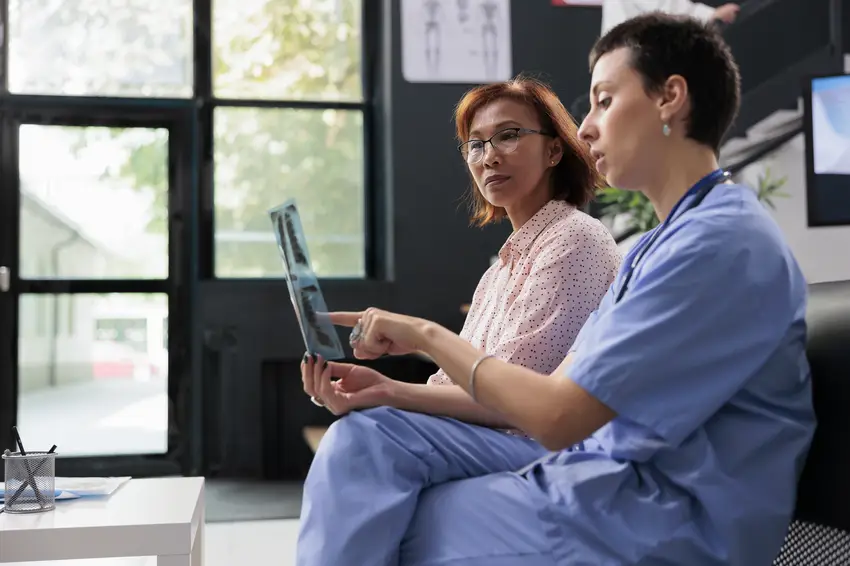
Nursing Assistants

Did you know?

Most states require Patient Care Assistants to complete a state-approved training program and pass a competency exam to obtain CNA certification.

At a Glance

Median Wage

$40,403.14 Avg/yr

Growth

Stable

Top Skill

Monitoring

Key Responsibilities

  • Document or otherwise report observations of patient behavior, complaints, or physical symptoms to nurses.
  • Clean and sanitize patient rooms, bathrooms, examination rooms, or other patient areas.
  • Supply, collect, or empty bedpans.
  • Restock patient rooms with personal hygiene items, such as towels, washcloths, soap, or toilet paper.
  • Lift or assist others to lift patients to move them on or off beds, examination tables, surgical tables, or stretchers.
  • Transport patients to treatment units, testing units, operating rooms, or other areas, using wheelchairs, stretchers, or moveable beds.
  • Change bed linens or make beds.
  • Exercise patients who are comatose, paralyzed, or have restricted mobility.
  • Wash, groom, shave, or drape patients to prepare them for surgery, treatment, or examination.
  • Record height or weight of patients.
  • Undress, wash, and dress patients who are unable to do so for themselves.
  • Collect specimens, such as urine, feces, or sputum.
  • Review patients' dietary restrictions, food allergies, and preferences to ensure patient receives appropriate diet.
  • Apply clean dressings, slings, stockings, or support bandages, under direction of nurse or physician.
  • Record vital signs, such as temperature, blood pressure, pulse, or respiration rate, as directed by medical or nursing staff.
  • Prepare or serve food trays.
  • Position or hold patients in position for surgical preparation.
  • Turn or reposition bedridden patients.
  • Observe or examine patients to detect symptoms that may require medical attention, such as bruises, open wounds, or blood in urine.
  • Gather information from caregivers, nurses, or physicians about patient condition, treatment plans, or appropriate activities.
  • Transport specimens, laboratory items, or pharmacy items, ensuring proper documentation and delivery to authorized personnel.
  • Administer medications or treatments, such as catheterizations, suppositories, irrigations, enemas, massages, or douches, as directed by a physician or nurse.
  • Answer patient call signals, signal lights, bells, or intercom systems to determine patients' needs.
  • Communicate with patients to ascertain feelings or need for assistance or social and emotional support.
  • Measure and record food and liquid intake or urinary and fecal output, reporting changes to medical or nursing staff.
  • Provide information, such as directions, visiting hours, or patient status information to visitors or callers.
  • Remind patients to take medications or nutritional supplements.
  • Assist nurses or physicians in the operation of medical equipment or provision of patient care.
  • Explain medical instructions to patients or family members.
  • Feed patients or assist patients to eat or drink.
  • Set up treating or testing equipment, such as oxygen tents, portable radiograph (x-ray) equipment, or overhead irrigation bottles, as directed by a physician or nurse.
  • Stock or issue medical supplies, such as dressing packs or treatment trays.
  • Provide physical support to assist patients to perform daily living activities, such as getting out of bed, bathing, dressing, using the toilet, standing, walking, or exercising.

Career Considerations

Certification Requirements

Most states require Patient Care Assistants to complete a state-approved training program and pass a competency exam to obtain CNA certification.

Physical and Emotional Demands

The role involves physically demanding tasks like lifting patients and emotionally challenging situations that require resilience and compassion.

Career Advancement Opportunities

PCAs can advance to higher-paying nursing roles like LPN or RN with additional education, benefiting from strong job growth in the healthcare sector.

Want to dig deeper?

Talk to blinky to learn more.

Start chatting
BETA
New York

25 Kent Ave, Suite 401
Brooklyn, NY
11249


North Carolina

204 N Person
Street. Raleigh, NC
27601

Australia

Level 4/80
Wentworth Ave,
Surry Hills,
Sydney, 2010