
Oil and Gas Rotary Drill Operators

Overview

Oil and gas rotary drill operators run powerful drilling machines that dig deep underground to find and extract oil and natural gas. They monitor computer screens and pressure gauges, control drilling speed and depth, and connect heavy pipe sections using specialized tools and equipment. These operators maintain detailed digital records of their drilling progress, select the right drill bits for different rock types, and work as part of a team to safely operate complex machinery. The job requires strong technical skills, attention to detail, and often involves working at remote drilling sites with cutting-edge drilling technology.
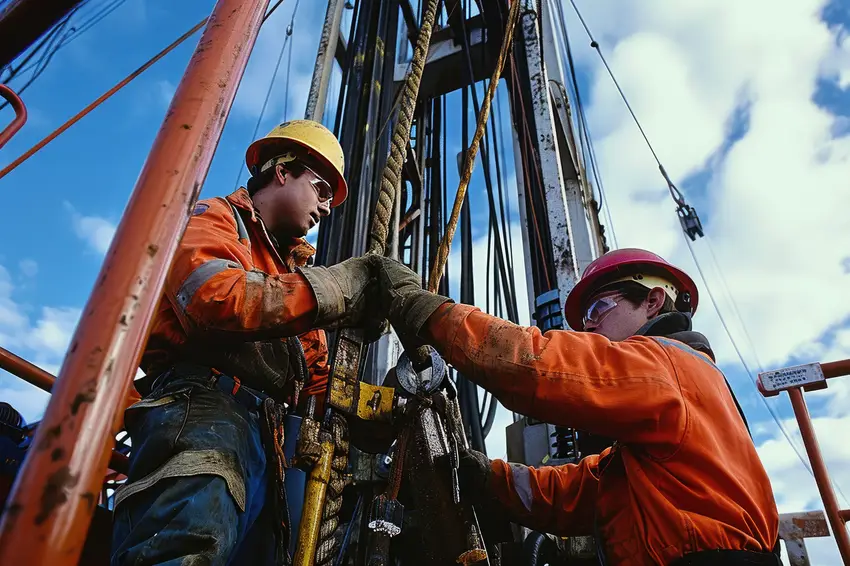
Oil and Gas Rotary Drill Operators

Did you know?

This occupation involves significant safety hazards and requires excellent physical condition due to heavy machinery operation and potential exposure to dangerous drilling conditions.

At a Glance

Median Wage

$66,577.60 Avg/yr

Growth

Stable

Top Skill

Quality Control Analysis

Key Responsibilities

  • Clean and oil pulleys, blocks, and cables.
  • Repair or replace defective parts of machinery, such as rotary drill rigs, water trucks, air compressors, and pumps, using hand tools.
  • Position and prepare truck-mounted derricks at drilling areas specified on field maps.
  • Direct rig crews in drilling and other activities, such as setting up rigs and completing or servicing wells.
  • Push levers and brake pedals to control gasoline, diesel, electric, or steam draw works that lower and raise drill pipes and casings in and out of wells.
  • Locate and recover lost or broken bits, casings, and drill pipes from wells, using special tools.
  • Cap wells with packers, or turn valves, to regulate outflow of oil from wells.
  • Start and examine operation of slush pumps to ensure circulation and consistency of drilling fluid or mud in well.
  • Observe pressure gauge and move throttles and levers to control the speed of rotary tables, and to regulate pressure of tools at bottoms of boreholes.
  • Plug observation wells, and restore sites.
  • Maintain and adjust machinery to ensure proper performance.
  • Weigh clay, and mix with water and chemicals to make drilling mud.
  • Remove core samples during drilling to determine the nature of the strata being drilled.
  • Maintain records of footage drilled, location and nature of strata penetrated, materials and tools used, services rendered, and time required.
  • Line drilled holes with pipes, and install all necessary hardware, to prepare new wells.
  • Count sections of drill rod to determine depths of boreholes.
  • Connect sections of drill pipe, using hand tools and powered wrenches and tongs.
  • Train crews, and introduce procedures to make drill work more safe and effective.
  • Monitor progress of drilling operations, and select and change drill bits according to the nature of strata, using hand tools.
  • Bolt together pump and engine parts, and connect tanks and flow lines.

Career Considerations

High Safety Risk and Physical Demands

This occupation involves significant safety hazards and requires excellent physical condition due to heavy machinery operation and potential exposure to dangerous drilling conditions.

Geographic Mobility Requirements

Workers often need to relocate frequently or work in remote locations across different states where oil and gas drilling operations are active.

Industry Economic Volatility

Employment and wages in this field are subject to significant fluctuations based on oil prices and market demand cycles in the American energy sector.

Want to dig deeper?

Talk to blinky to learn more.

Start chatting
BETA
New York

25 Kent Ave, Suite 401
Brooklyn, NY
11249


North Carolina

204 N Person
Street. Raleigh, NC
27601

Australia

Level 4/80
Wentworth Ave,
Surry Hills,
Sydney, 2010