Ophthalmologists
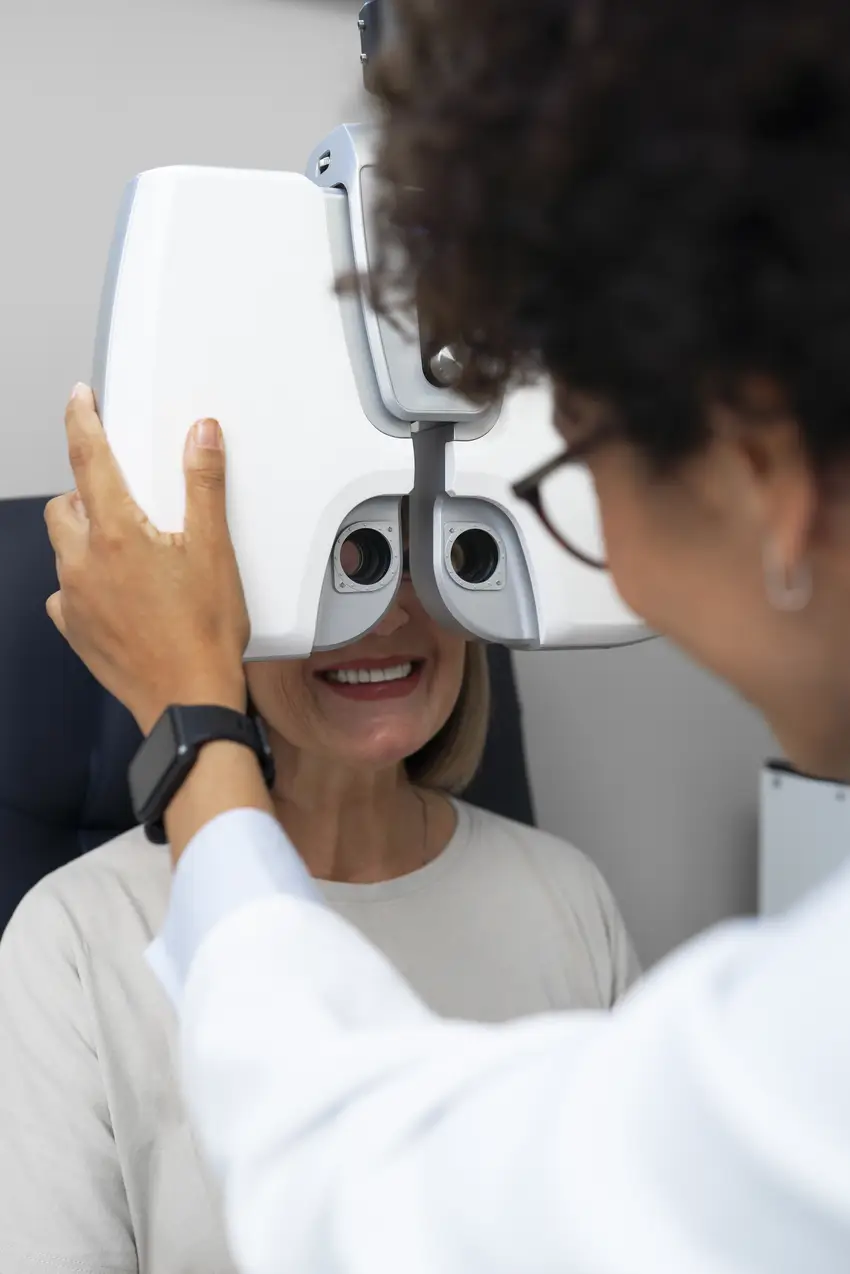
Ophthalmologists are medical doctors who specialize in diagnosing and treating eye diseases and vision problems. They perform detailed eye exams, prescribe medications, and use advanced technology like laser surgery and high-tech imaging equipment to help patients see clearly. This career requires completing medical school followed by specialized training in eye care, and involves collaborating with other healthcare professionals to provide comprehensive patient care. Ophthalmologists work in hospitals, clinics, and private practices, combining precision surgical skills with patient education to help people maintain healthy vision throughout their lives.
Did you know?
Becoming an ophthalmologist requires completing medical school (4 years) followed by a highly competitive ophthalmology residency (4 years), often requiring top academic performance and research experience.
At a glance
Typical average pay
$201,500 Avg/yr
Growth
Fast growing
Top skill
Critical Thinking
Things to consider
High Earning Potential with Significant Initial Investment
Ophthalmologists typically earn substantial incomes ($300,000-$500,000+ annually) but face considerable student loan debt and high costs for establishing or joining a practice with specialized equipment.
Growing Market Demand
The aging U.S. population and increased prevalence of vision problems from digital device usage create strong job prospects and patient demand for ophthalmological services.
Key responsibilities
Diagnose or treat injuries, disorders, or diseases of the eye and eye structures including the cornea, sclera, conjunctiva, or eyelids.
Perform laser surgeries to alter, remove, reshape, or replace ocular tissue.
Develop treatment plans based on patients' histories and goals, the nature and severity of disorders, and treatment risks and benefits.
Perform ophthalmic surgeries such as cataract, glaucoma, refractive, corneal, vitro-retinal, eye muscle, or oculoplastic surgeries.
Collaborate with multidisciplinary teams of health professionals to provide optimal patient care.