Orthoptist Specialists
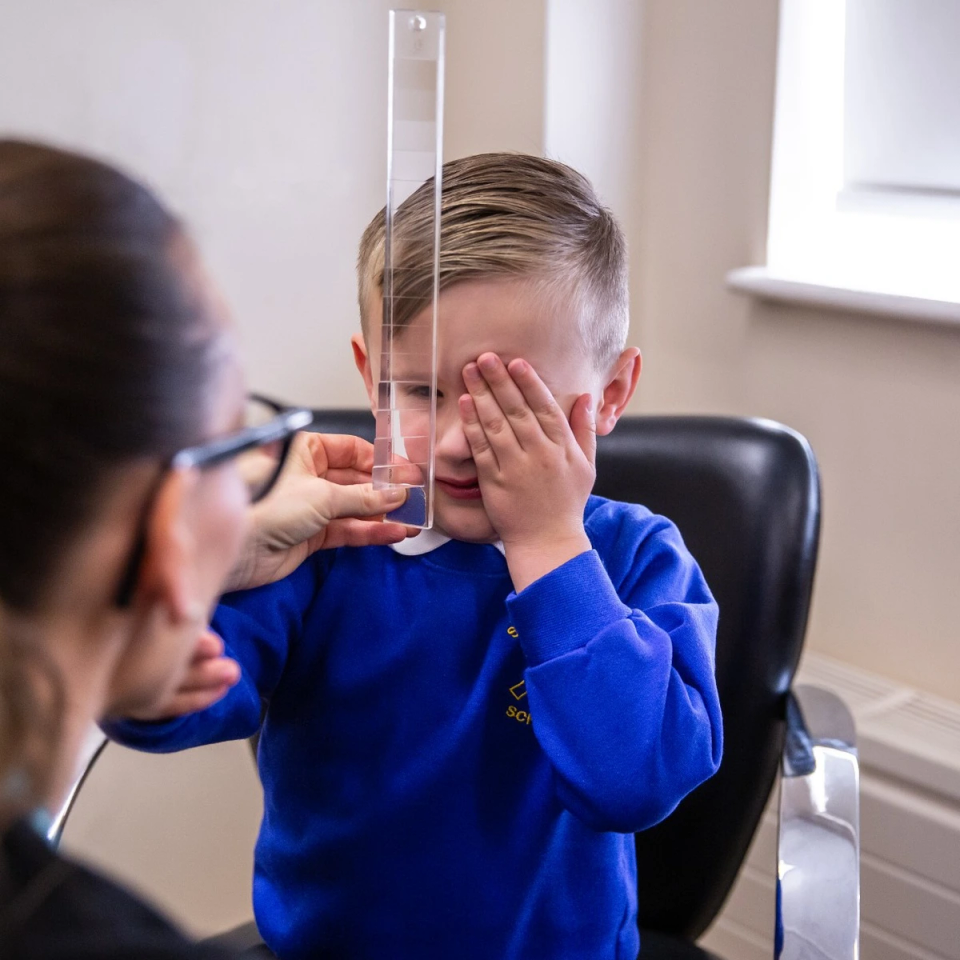
Orthoptist Specialists are medical professionals who focus on how the eyes work together as a team. They examine patients—often children—using tools such as retinoscopes, lensometers, and visual acuity charts to diagnose problems with eye alignment, eye movements, and depth perception. They design nonsurgical treatment plans that may include special glasses, eye patches, vision therapy exercises, or eye drops, and they work closely with ophthalmologists and optometrists to manage complex conditions and contribute to clinical research on new treatments.
Did you know?
Orthoptists in the US must complete an accredited orthoptic program and pass the American Orthoptic Council certification exam to practice professionally.
At a glance
Typical average pay
$98,800 Avg/yr
Growth
Stable
Top skill
Active Listening
Things to consider
Limited Job Market
Employment opportunities are concentrated in specialized eye care centers, hospitals, and ophthalmology practices, making the job market relatively small compared to other healthcare professions.
Competitive Salary with Growth Limitations
While orthoptists earn competitive healthcare salaries averaging $60,000-$80,000 annually, career advancement opportunities are limited due to the highly specialized nature of the field.
Key responsibilities
Evaluate, diagnose, or treat disorders of the visual system with an emphasis on binocular vision or abnormal eye movements.
Prepare diagnostic or treatment reports for other medical practitioners or therapists.
Develop or use special test and communication techniques to facilitate diagnosis and treatment of children or patients with disabilities.
Provide training related to clinical methods or orthoptics to students, resident physicians, or other health professionals.
Perform diagnostic tests or measurements, such as motor testing, visual acuity testing, lensometry, retinoscopy, and color vision testing.