Paperhangers
Paperhangers transform interior spaces by covering walls and ceilings with decorative wallpaper, fabric, or advertising materials. They measure and cut materials precisely, apply adhesives, and use brushes and rollers to smooth out wrinkles and bubbles for a perfect finish. The job requires attention to detail, steady hands, and physical stamina, as paperhangers often work on scaffolds and use specialized tools like steam machines and plumb bobs. Many paperhangers work independently or for construction companies, collaborating with interior designers and contractors on both residential and commercial projects.
Did you know?
The job requires extensive physical labor including prolonged kneeling, reaching overhead, and exposure to adhesives and chemicals that may cause health concerns over time.
At a glance
Typical average pay
$49,200 Avg/yr
Growth
Fast growing
Things to consider
Market Dependency
Employment opportunities fluctuate significantly with housing market trends, home renovation cycles, and changing interior design preferences in American households.
Precision Requirements
Success depends on developing meticulous measuring, cutting, and application skills since mistakes can be costly and damage client relationships in this service-oriented field.
Key responsibilities
Place strips or sections of paper on surfaces, aligning section edges and patterns.
Apply sizing to seal surfaces and maximize adhesion of coverings to surfaces.
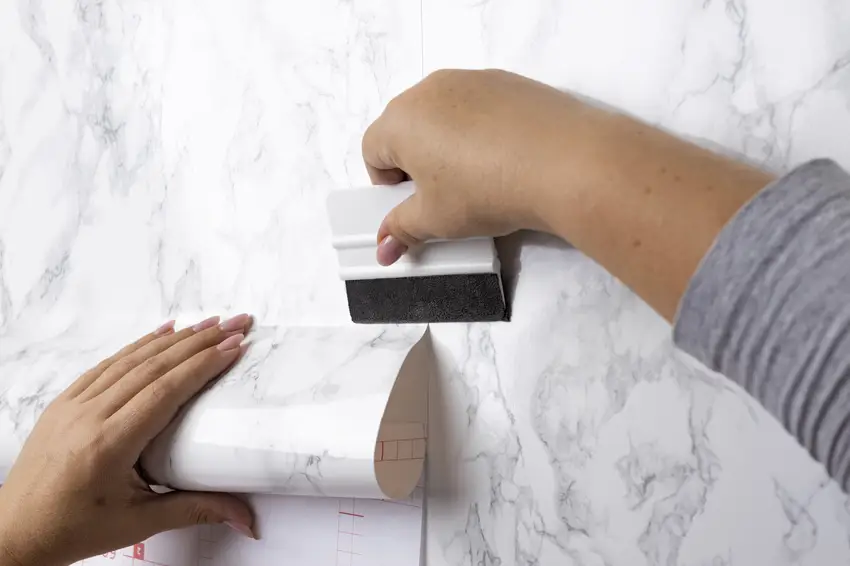
Smooth strips or sections of paper with brushes or rollers to remove wrinkles and bubbles and to smooth joints.
Set up equipment, such as pasteboards and scaffolds.
Apply acetic acid to damp plaster to prevent lime from bleeding through paper.