
Park Naturalist Educators

Overview

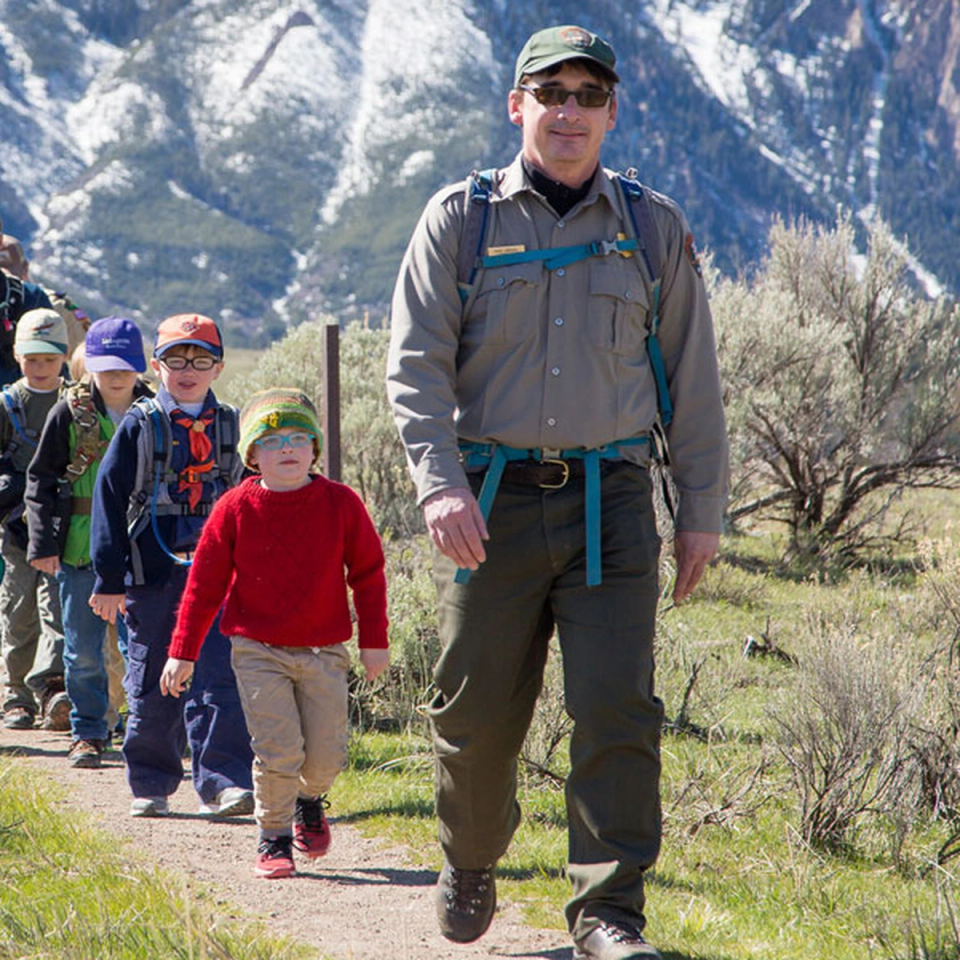
Park Naturalist Educators design and lead programs that help visitors understand the plants, animals, geology, and history of parks. They create trail guides, exhibits, and slide shows, train seasonal staff, and answer questions from visitors while making sure people follow park rules and stay safe. They also research local ecosystems, collect data on wildlife and forests, and work with schools to build science-based field trips and classroom activities.
Park Naturalist Educators

Did you know?

Most positions require a bachelor's degree in natural sciences or related fields, with strong competition for limited permanent positions in the federal and state park systems.

At a Glance

Growth

Stable

Top Skill

Judgment and Decision Making

Key Responsibilities

  • Take photographs and motion pictures for use in lectures and publications and to develop displays.
  • Perform routine maintenance on park structures.
  • Plan and develop audio-visual devices for public programs.
  • Perform emergency duties to protect human life, government property, and natural features of park.
  • Provide care for park program animals.
  • Survey park to determine forest conditions and distribution and abundance of fauna and flora.
  • Plan, organize and direct activities of seasonal staff members.
  • Provide visitor services, such as explaining regulations, answering visitor requests, needs and complaints, and providing information about the park and surrounding areas.
  • Confer with park staff to determine subjects and schedules for park programs.
  • Assist with operations of general facilities, such as visitor centers.
  • Plan and organize public events at the park.
  • Prepare brochures and write newspaper articles.
  • Prepare and present illustrated lectures and interpretive talks about park features.
  • Interview specialists in desired fields to obtain and develop data for park information programs.
  • Compile and maintain official park photographic and information files.
  • Construct historical, scientific, and nature visitor-center displays.
  • Conduct field trips to point out scientific, historic, and natural features of parks, forests, historic sites, or other attractions.
  • Train staff on park programs.
  • Research stories regarding the area's natural history or environment.
  • Develop environmental educational programs and curricula for schools.

Career Considerations

Educational Competition

Most positions require a bachelor's degree in natural sciences or related fields, with strong competition for limited permanent positions in the federal and state park systems.

Seasonal Employment

Many Park Naturalist positions are seasonal or temporary, particularly in national parks, requiring financial planning for off-season periods.

Geographic Flexibility

Career advancement often requires willingness to relocate to different parks across various states, as positions are tied to specific geographic locations.

Want to dig deeper?

Talk to blinky to learn more.

Start chatting
BETA
New York

25 Kent Ave, Suite 401
Brooklyn, NY
11249


North Carolina

204 N Person
Street. Raleigh, NC
27601

Australia

Level 4/80
Wentworth Ave,
Surry Hills,
Sydney, 2010