
Paving Equipment Operators

Overview

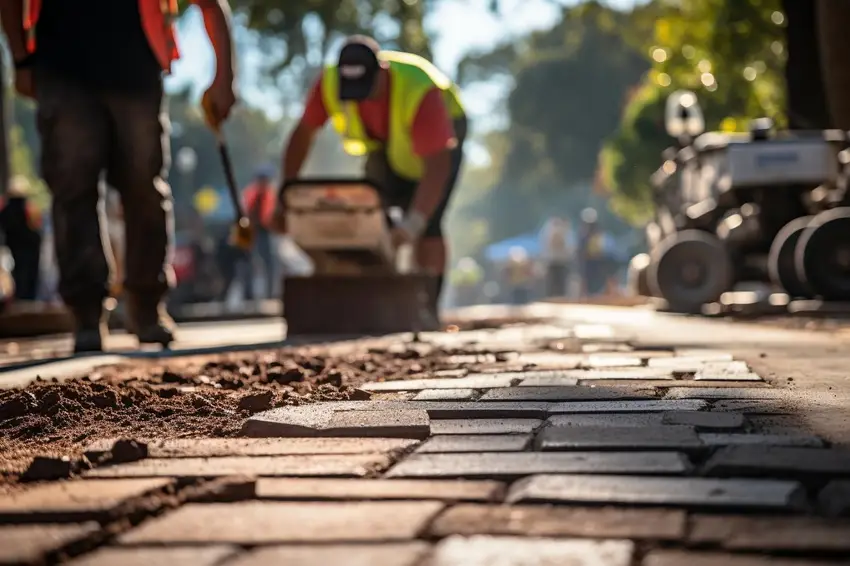
Paving equipment operators use heavy machinery to build and maintain roads, parking lots, and airport runways by spreading materials like concrete and asphalt. They operate specialized equipment such as pavers, rollers, and tamping machines while monitoring material flow and ensuring smooth, level surfaces. These operators also maintain their equipment, control traffic around work sites, and work closely with construction teams to meet project specifications. Many modern paving machines now use GPS technology and computerized controls, making this field increasingly high-tech.
Paving Equipment Operators

Did you know?

This occupation involves operating heavy machinery in outdoor conditions with significant safety hazards, requiring physical stamina and strict adherence to safety protocols.

At a Glance

Median Wage

$57,402.40 Avg/yr

Growth

Stable

Top Skill

Science

Key Responsibilities

  • Place strips of material, such as cork, asphalt, or steel into joints, or place rolls of expansion-joint material on machines that automatically insert material.
  • Set up forms and lay out guidelines for curbs, according to written specifications, using string, spray paint, and concrete or water mixes.
  • Operate machines that clean or cut expansion joints in concrete or asphalt and that rout out cracks in pavement.
  • Set up and tear down equipment.
  • Operate machines to spread, smooth, level, or steel-reinforce stone, concrete, or asphalt on road beds.
  • Operate oil distributors, loaders, chip spreaders, dump trucks, and snow plows.
  • Observe distribution of paving material to adjust machine settings or material flow, and indicate low spots for workers to add material.
  • Shovel blacktop.
  • Install dies, cutters, and extensions to screeds onto machines, using hand tools.
  • Fill tanks, hoppers, or machines with paving materials.
  • Control paving machines to push dump trucks and to maintain a constant flow of asphalt or other material into hoppers or screeds.
  • Cut or break up pavement and drive guardrail posts, using machines equipped with interchangeable hammers.
  • Light burners or start heating units of machines, and regulate screed temperatures and asphalt flow rates.
  • Start machine, engage clutch, and push and move levers to guide machine along forms or guidelines and to control the operation of machine attachments.
  • Drive machines onto truck trailers, and drive trucks to transport machines and material to and from job sites.
  • Control traffic.
  • Inspect, clean, maintain, and repair equipment, using mechanics' hand tools, or report malfunctions to supervisors.
  • Coordinate truck dumping.
  • Drive and operate curbing machines to extrude concrete or asphalt curbing.
  • Operate tamping machines or manually roll surfaces to compact earth fills, foundation forms, and finished road materials, according to grade specifications.

Career Considerations

Physical Demands and Safety Risks

This occupation involves operating heavy machinery in outdoor conditions with significant safety hazards, requiring physical stamina and strict adherence to safety protocols.

Seasonal Employment Patterns

Work availability is often seasonal and weather-dependent, with peak employment during warmer months when road construction and paving projects are most active.

Equipment Operation Certification

Success requires specialized training and certification in operating various paving machines, with ongoing skill development as equipment technology advances.

Want to dig deeper?

Talk to blinky to learn more.

Start chatting
BETA
New York

25 Kent Ave, Suite 401
Brooklyn, NY
11249


North Carolina

204 N Person
Street. Raleigh, NC
27601

Australia

Level 4/80
Wentworth Ave,
Surry Hills,
Sydney, 2010