Personal Care Support Aides
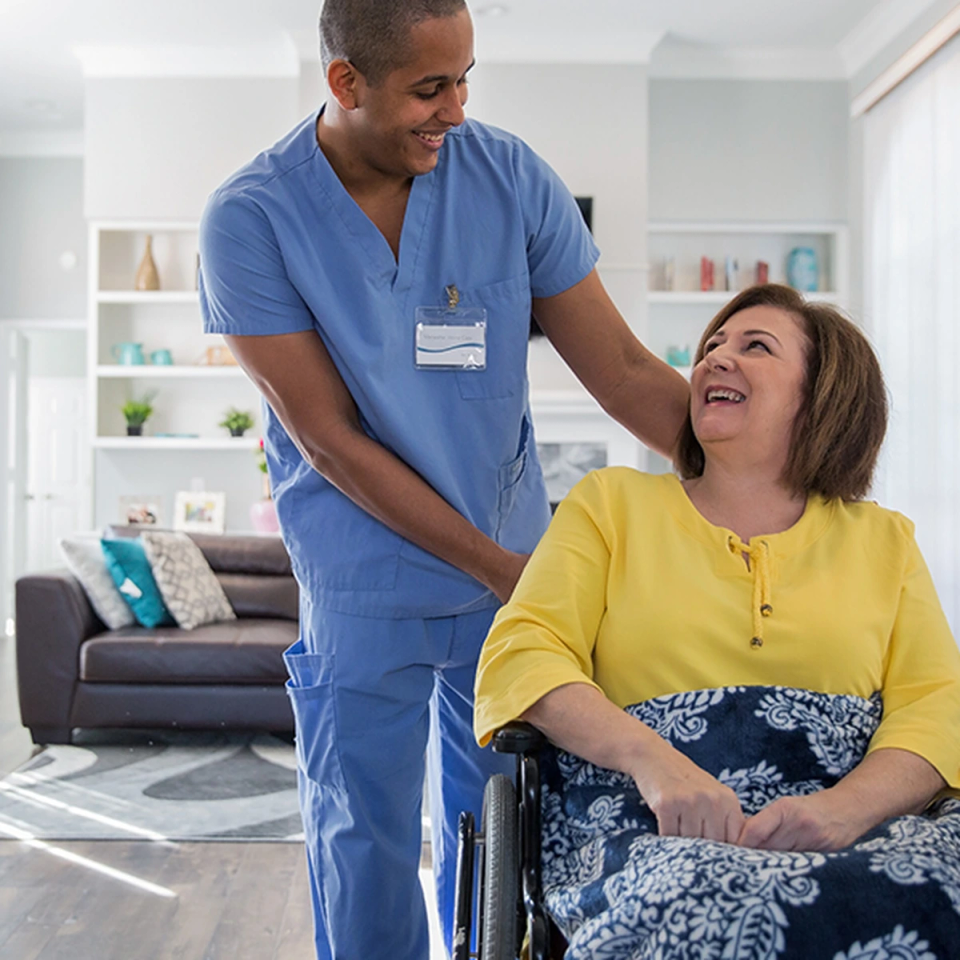
Personal Care Support Aides assist people who are sick, disabled, or recovering by helping with important daily activities such as bathing, dressing, eating, moving safely, and staying clean and comfortable. They also handle tasks like preparing healthy meals, doing light housekeeping or laundry, keeping track of changes in a client’s health, and reporting updates to nurses or supervisors as part of a care team. In this role, they make practical decisions every day—such as how to safely move someone from a bed to a wheelchair, how to organize medications according to a nurse’s instructions, and how to plan a schedule that keeps their client safe, supported, and as independent as possible at home, at work, or in the community.
Did you know?
Most states require Personal Care Aides to complete training programs and obtain certification, with requirements varying significantly across different states.
At a glance
Growth
Stable
Top skill
Service Orientation
Things to consider
Physical Demands
The role involves significant physical activity including lifting, transferring clients, and standing for extended periods, which may lead to workplace injuries.
Career Advancement Opportunities
Personal Care Aides can advance to roles such as Home Health Aide, Certified Nursing Assistant, or pursue further healthcare education for higher-paying positions.
Key responsibilities
Administer bedside or personal care, such as ambulation or personal hygiene assistance.
Train family members to provide bedside care.
Plan, shop for, or prepare nutritious meals or assist families in planning, shopping for, or preparing nutritious meals.
Transport clients to locations outside the home, such as to physicians' offices or on outings, using a motor vehicle.
Participate in case reviews, consulting with the team caring for the client, to evaluate the client's needs and plan for continuing services.