Pest Control Workers
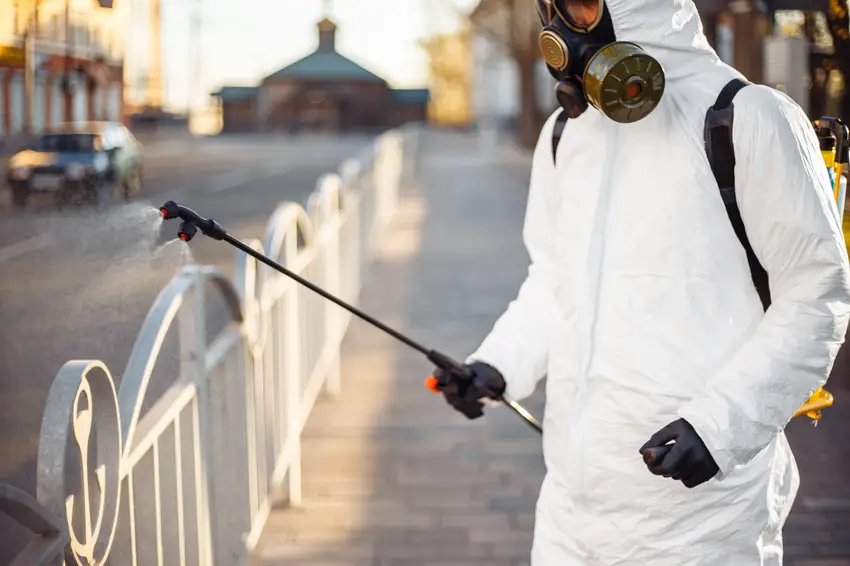
Pest control workers are like detectives and problem-solvers who protect homes and businesses from unwanted insects and rodents. They inspect buildings to identify pest problems, then use specialized equipment, traps, baits, and safe pesticides to eliminate infestations and prevent future issues. This job combines hands-on work with customer service, as workers design custom treatment plans, operate high-tech spraying trucks, and educate clients about pest prevention. Many workers start with on-the-job training or short certification programs, and the field offers steady employment since pest problems never go away.
Did you know?
Most U.S. states require pest control specialists to obtain specific licenses and complete ongoing education to legally apply pesticides and operate in the field.
At a glance
Typical average pay
$43,400 Avg/yr
Growth
Fast growing
Top skill
Critical Thinking
Things to consider
Chemical Exposure and Safety Risks
The occupation involves regular exposure to potentially hazardous pesticides and chemicals, requiring strict adherence to safety protocols and protective equipment usage.
Seasonal Income Variability
Earnings often fluctuate seasonally as pest activity peaks during warmer months, potentially creating income instability during winter periods in many regions.
Key responsibilities
Drive truck equipped with power spraying equipment.
Recommend treatment and prevention methods for pest problems to clients.
Measure area dimensions requiring treatment, calculate fumigant requirements, and estimate cost for service.
Direct, or assist other workers in, treatment or extermination processes to eliminate or control rodents, insects, or weeds.
Record work activities performed.