Pesticide Applicators
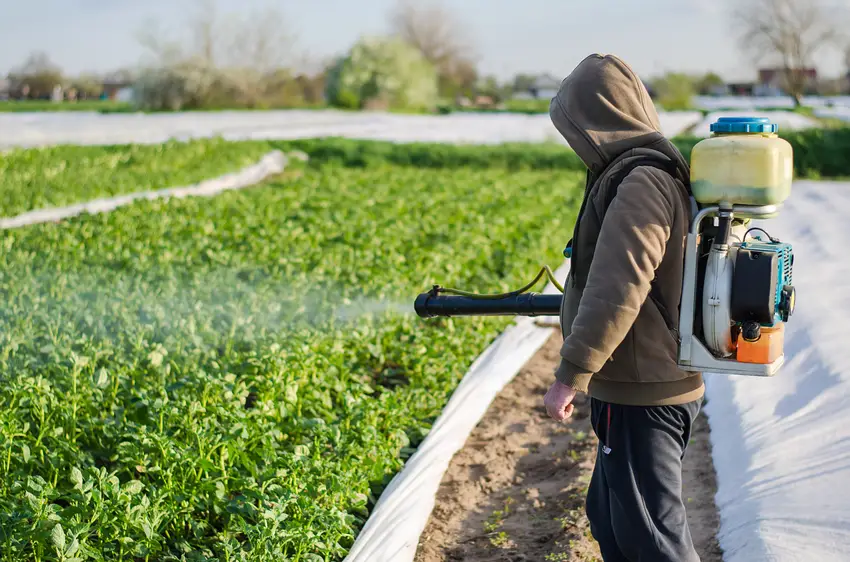
Pesticide applicators protect plants, crops, and landscapes by safely mixing and applying chemicals to control pests, diseases, and weeds. You'll operate specialized spray equipment, calculate chemical formulas, and work outdoors across different terrains while following strict safety protocols. This career requires state certification and training in environmental science, offering opportunities to work for landscaping companies, farms, or government agencies. Many applicators now use GPS technology and drones to ensure precise application and minimize environmental impact.
Did you know?
Most states require specific licenses, training, and continuing education to legally apply pesticides, with requirements varying significantly across different states.
At a glance
Typical average pay
$44,600 Avg/yr
Growth
Fast growing
Top skill
Active Listening
Things to consider
Health and Safety Protocols
Workers must strictly follow EPA and OSHA safety guidelines, including proper use of personal protective equipment to prevent chemical exposure and related health risks.
Seasonal Employment Patterns
Employment is often seasonal and weather-dependent, with peak demand during growing seasons, requiring workers to plan for income fluctuations throughout the year.
Key responsibilities
Lift, push, and swing nozzles, hoses, and tubes to direct spray over designated areas.
Cover areas to specified depths with pesticides, applying knowledge of weather conditions, droplet sizes, elevation-to-distance ratios, and obstructions.
Provide driving instructions to truck drivers to ensure complete coverage of designated areas, using hand and horn signals.
Fill sprayer tanks with water and chemicals, according to formulas.
Start motors and engage machinery, such as sprayer agitators or pumps or portable spray equipment.