
Petroleum Engineers

Overview

Petroleum engineers design advanced methods to extract oil and natural gas from deep underground deposits using cutting-edge drilling technology and data analysis tools. They monitor production rates, solve technical problems, and work with engineering teams to maximize energy extraction from both new and existing wells. This career involves analyzing complex data, assessing project costs, and collaborating with scientists to develop innovative solutions for energy production. Most petroleum engineers earn a bachelor's degree in petroleum, chemical, or mechanical engineering and often work in both office and field environments.
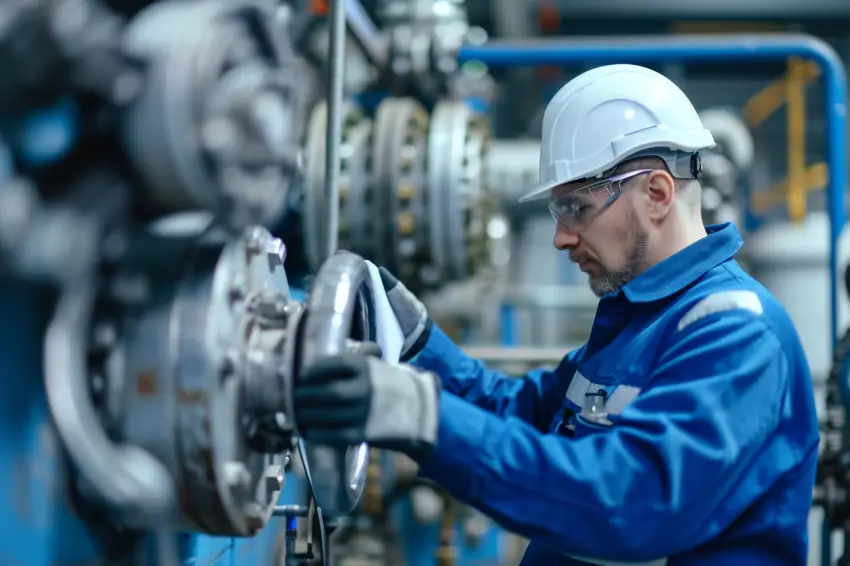
Petroleum Engineers

Did you know?

Petroleum engineering careers in the US are subject to significant boom-bust cycles driven by fluctuating oil prices and market demand.

At a Glance

Median Wage

$131,270.43 Avg/yr

Growth

Stable

Top Skill

Judgment and Decision Making

Key Responsibilities

  • Coordinate activities of workers engaged in research, planning, and development.
  • Simulate reservoir performance for different recovery techniques, using computer models.
  • Develop plans for oil and gas field drilling, and for product recovery and treatment.
  • Monitor production rates, and plan rework processes to improve production.
  • Supervise the removal of drilling equipment, the removal of any waste, and the safe return of land to structural stability when wells or pockets are exhausted.
  • Assess costs and estimate the production capabilities and economic value of oil and gas wells, to evaluate the economic viability of potential drilling sites.
  • Maintain records of drilling and production operations.
  • Design and implement environmental controls on oil and gas operations.
  • Assist engineering and other personnel to solve operating problems.
  • Design or modify mining and oil field machinery and tools, applying engineering principles.
  • Interpret drilling and testing information for personnel.
  • Conduct engineering research experiments to improve or modify mining and oil machinery and operations.
  • Analyze data to recommend placement of wells and supplementary processes to enhance production.
  • Take samples to assess the amount and quality of oil, the depth at which resources lie, and the equipment needed to properly extract them.
  • Assign work to staff to obtain maximum utilization of personnel.
  • Inspect oil and gas wells to determine that installations are completed.
  • Direct and monitor the completion and evaluation of wells, well testing, or well surveys.
  • Specify and supervise well modification and stimulation programs to maximize oil and gas recovery.
  • Test machinery and equipment to ensure that it is safe and conforms to performance specifications.
  • Coordinate the installation, maintenance, and operation of mining and oil field equipment.
  • Confer with scientific, engineering, and technical personnel to resolve design, research, and testing problems.
  • Evaluate findings to develop, design, or test equipment or processes.
  • Write technical reports for engineering and management personnel.

Career Considerations

Industry Volatility

Petroleum engineering careers in the US are subject to significant boom-bust cycles driven by fluctuating oil prices and market demand.

Geographic Concentration

Job opportunities are primarily concentrated in specific regions like Texas, North Dakota, and Alaska, requiring potential relocation.

Environmental Regulations

Increasing environmental regulations and the shift toward renewable energy sources may impact long-term career prospects in the field.

Want to dig deeper?

Talk to blinky to learn more.

Start chatting
BETA
New York

25 Kent Ave, Suite 401
Brooklyn, NY
11249


North Carolina

204 N Person
Street. Raleigh, NC
27601

Australia

Level 4/80
Wentworth Ave,
Surry Hills,
Sydney, 2010