Physical Therapists
Overview
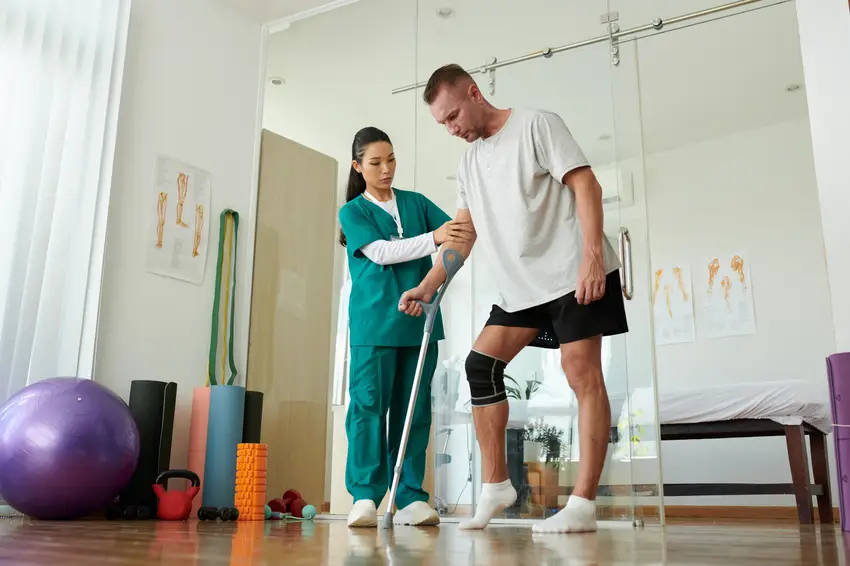
Physical therapists help people recover from injuries, manage pain, and improve their movement through hands-on treatment and specialized exercises. They work closely with patients to create personalized recovery plans, using modern equipment and techniques to help people get back to their daily activities. These healthcare professionals collaborate with doctors and other medical staff, often working in clinics, hospitals, or sports facilities. To become a physical therapist, you'll need to earn a Doctor of Physical Therapy degree, which typically takes about 7 years of education after high school.
Did you know?
Physical therapists must complete a Doctor of Physical Therapy (DPT) program, typically requiring 6-7 years of post-secondary education and significant student loan debt.
At a Glance
Median Wage
$99,884.31 Avg/yr
Growth
Fast Growing
Top Skill
Technology Design
Key Responsibilities
- Direct, supervise, assess, and communicate with supportive personnel.
- Administer treatment involving application of physical agents, using equipment, moist packs, ultraviolet or infrared lamps, or ultrasound machines.
- Identify and document goals, anticipated progress, and plans for reevaluation.
- Plan, prepare, or carry out individually designed programs of physical treatment to maintain, improve, or restore physical functioning, alleviate pain, or prevent physical dysfunction in patients.
- Provide information to the patient about the proposed intervention, its material risks and expected benefits, and any reasonable alternatives.
- Provide educational information about physical therapy or physical therapists, injury prevention, ergonomics, or ways to promote health.
- Instruct patient and family in treatment procedures to be continued at home.
- Test and measure patient's strength, motor development and function, sensory perception, functional capacity, or respiratory or circulatory efficiency and record data.
- Evaluate effects of treatment at various stages and adjust treatments to achieve maximum benefit.
- Record prognosis, treatment, response, and progress in patient's chart or enter information into computer.
- Confer with the patient, medical practitioners, or appropriate others to plan, implement, or assess the intervention program.
- Review physician's referral and patient's medical records to help determine diagnosis and physical therapy treatment required.
- Obtain patients' informed consent to proposed interventions.
- Conduct or support research and apply research findings to practice.
- Teach physical therapy students or those in other health professions.
- Administer manual exercises, massage, or traction to help relieve pain, increase patient strength, or decrease or prevent deformity or crippling.
- Participate in community or community agency activities or help to formulate public policy.
- Evaluate, fit, or adjust prosthetic or orthotic devices or recommend modification to orthotist.
- Direct group rehabilitation activities.
- Refer clients to community resources or services.
- Discharge patient from physical therapy when goals or projected outcomes have been attained and provide for appropriate follow-up care or referrals.
- Inform patients and refer to appropriate practitioners when diagnosis reveals findings outside physical therapy.
- Perform and document an initial exam, evaluating data to identify problems and determine a diagnosis prior to intervention.
- Construct, maintain, or repair medical supportive devices.
Career Considerations
Doctoral Degree Requirement
Physical therapists must complete a Doctor of Physical Therapy (DPT) program, typically requiring 6-7 years of post-secondary education and significant student loan debt.
State Licensing Requirements
Each state has unique licensing requirements and continuing education mandates, which can complicate interstate practice and require ongoing professional development investments.
Strong Job Market Growth
The Bureau of Labor Statistics projects much faster than average job growth due to an aging baby boomer population increasing demand for rehabilitation services.