Police and Sheriff's Patrol Officers
Overview
Police and Sheriff's Patrol Officers keep communities safe by patrolling neighborhoods, responding to emergency calls, and enforcing laws. They use modern technology like body cameras, digital reporting systems, and GPS tracking to investigate crimes, arrest suspects, and write detailed reports. Officers also provide first aid during emergencies, testify in court cases, and work closely with community members to build trust and prevent crime. This career requires strong communication skills, physical fitness, and typically involves completing police academy training after high school or college.
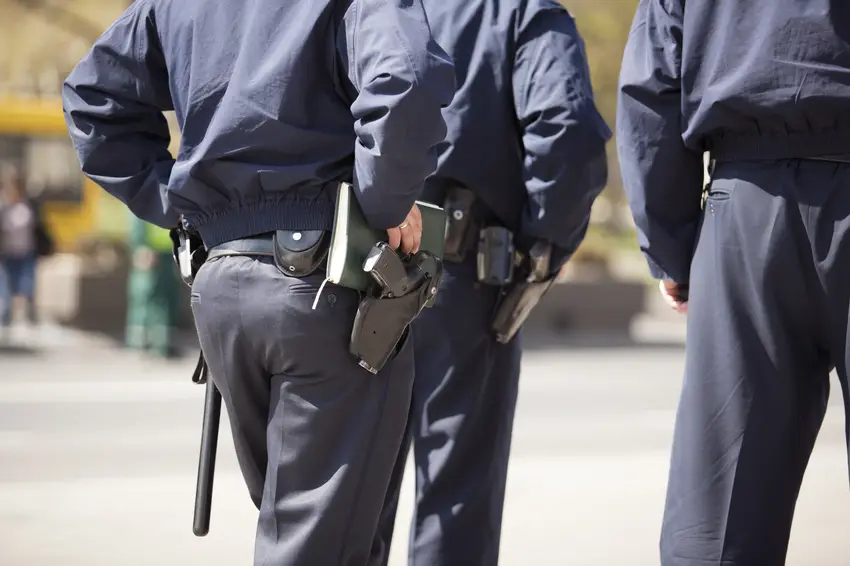
Did you know?
Police officers in America must complete rigorous academy training, ongoing education, and maintain various certifications throughout their careers.
At a Glance
Median Wage
$73,536.86 Avg/yr
Growth
Stable
Top Skill
Monitoring
Key Responsibilities
- Investigate illegal or suspicious activities.
- Serve statements of claims, subpoenas, summonses, jury summonses, orders to pay alimony, and other court orders.
- Verify that the proper legal charges have been made against law offenders.
- Relay complaint and emergency-request information to appropriate agency dispatchers.
- Testify in court to present evidence or act as witness in traffic and criminal cases.
- Drive vehicles or patrol specific areas to detect law violators, issue citations, and make arrests.
- Execute arrest warrants, locating and taking persons into custody.
- Question individuals entering secured areas to determine their business, directing and rerouting individuals as necessary.
- Investigate traffic accidents and other accidents to determine causes and to determine if a crime has been committed.
- Place people in protective custody.
- Photograph or draw diagrams of crime or accident scenes and interview principals and eyewitnesses.
- Render aid to accident survivors and other persons requiring first aid for physical injuries.
- Provide road information to assist motorists.
- Supervise law enforcement staff, such as jail staff, officers, and deputy sheriffs.
- Record facts to prepare reports that document incidents and activities.
- Conduct community programs for all ages concerning topics such as drugs and violence.
- Provide for public safety by maintaining order, responding to emergencies, protecting people and property, enforcing motor vehicle and criminal laws, and promoting good community relations.
- Direct traffic flow and reroute traffic in case of emergencies.
- Notify patrol units to take violators into custody or to provide needed assistance or medical aid.
- Inform citizens of community services and recommend options to facilitate longer-term problem resolution.
- Patrol and guard courthouses, grand jury rooms, or assigned areas to provide security, enforce laws, maintain order, and arrest violators.
- Monitor traffic to ensure motorists observe traffic regulations and exhibit safe driving procedures.
- Patrol specific area on foot, horseback, or motorized conveyance, responding promptly to calls for assistance.
- Transport or escort prisoners and defendants en route to courtrooms, prisons or jails, attorneys' offices, or medical facilities.
- Identify, pursue, and arrest suspects and perpetrators of criminal acts.
- Review facts of incidents to determine if criminal act or statute violations were involved.
- Evaluate complaint and emergency-request information to determine response requirements.
- Locate and confiscate real or personal property, as directed by court order.
- Process prisoners, and prepare and maintain records of prisoner bookings and prisoner status during booking and pre-trial process.
- Monitor, note, report, and investigate suspicious persons and situations, safety hazards, and unusual or illegal activity in patrol area.
Career Considerations
Extensive Training and Certification Requirements
Police officers in America must complete rigorous academy training, ongoing education, and maintain various certifications throughout their careers.
Community Relations and Public Scrutiny
Modern American policing requires strong interpersonal skills and cultural sensitivity due to increased public attention on police-community relationships.
Career Advancement and Specialization Opportunities
The field offers diverse paths for advancement including detective work, federal agencies, administration, and specialized units like SWAT or cybercrime.