Private Household Cooks
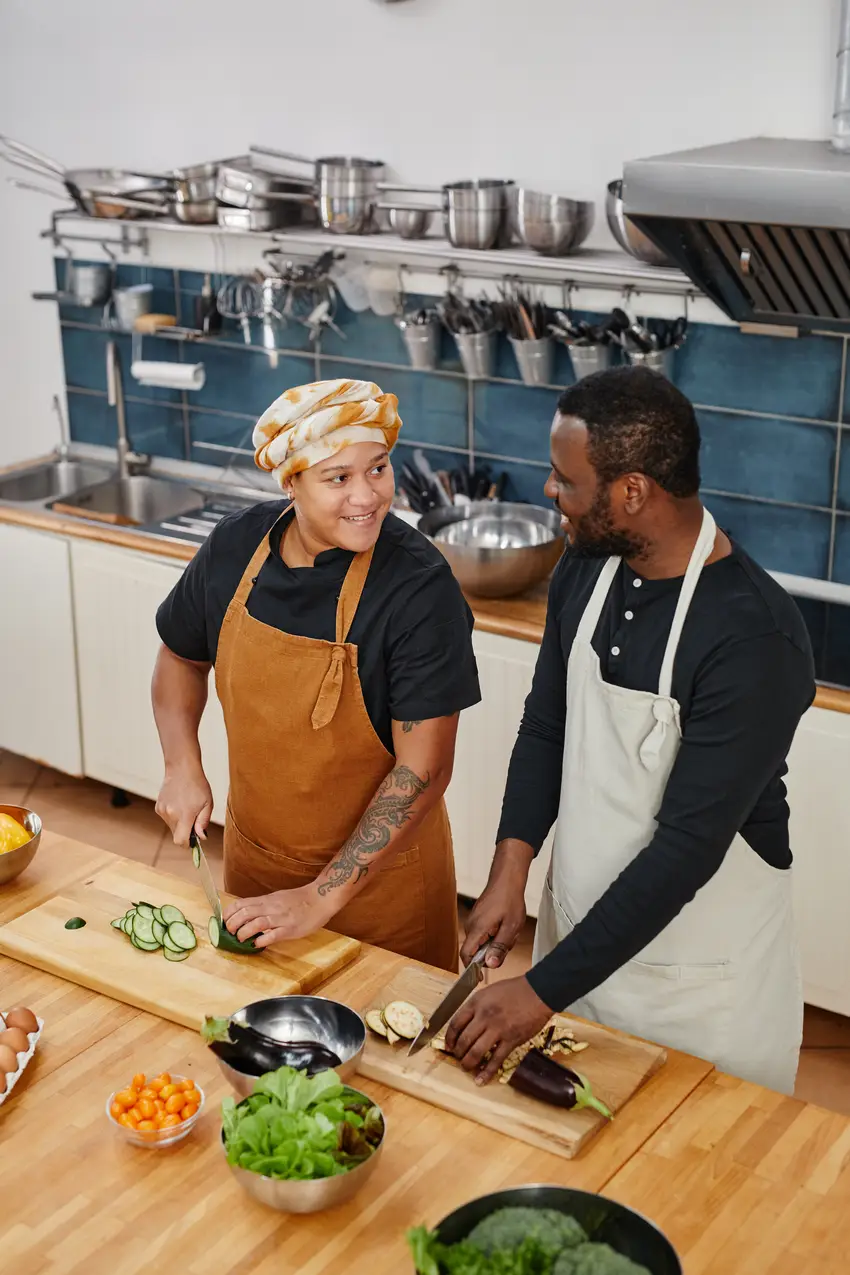
Private household cooks create delicious meals for families in their homes, preparing everything from soups and salads to main courses and desserts. They use various cooking techniques like grilling, baking, and roasting while ensuring food safety and freshness. These culinary professionals often manage kitchen staff, maintain clean workspaces, and use modern kitchen equipment to craft personalized menus. Many start with culinary school training or apprenticeships and can work in luxury homes, estates, or for busy families who value home-cooked meals.
Did you know?
Private household cooking positions often lack the job security of commercial establishments, as employment depends entirely on one family's financial situation and personal preferences.
At a glance
Typical average pay
$37,900 Avg/yr
Growth
Fast growing
Top skill
Critical Thinking
Things to consider
Compensation and Benefits Structure
Private household cooks typically receive different compensation structures than restaurant cooks, often including room and board but potentially lacking traditional benefits like health insurance or retirement plans.
Limited Professional Networking Opportunities
Working in isolation within a single household can limit exposure to culinary trends, professional development opportunities, and networking with other culinary professionals.
Key responsibilities
Direct the operation and organization of kitchens and all food-related activities, including the presentation and serving of food.
Serve meals and snacks to employing families and their guests.
Cool, package, label, and freeze foods for later consumption and provide instructions for reheating.
Create and explore new cuisines.
Peel, wash, trim, and cook vegetables and meats, and bake breads and pastries.