
Production Assistants

Overview

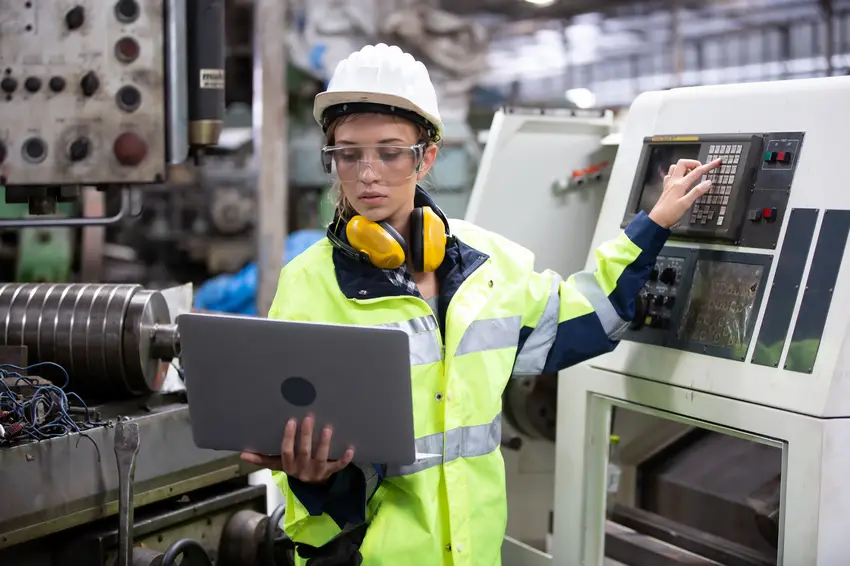
Production assistants help keep manufacturing operations running smoothly by supporting skilled workers on the factory floor. You'll operate machinery, check product quality, handle materials, and ensure equipment works properly. This hands-on role teaches valuable technical skills while working as part of a team in modern manufacturing facilities that use advanced technology and automation. It's a great entry point into manufacturing careers with opportunities to learn specialized skills and advance to higher-level positions.
Production Assistants

Did you know?

Production helper roles typically require physical stamina, adherence to strict safety protocols, and may involve exposure to industrial environments with machinery and potential hazards.

At a Glance

Median Wage

$39,363.06 Avg/yr

Growth

Stable

Top Skill

Complex Problem Solving

Key Responsibilities

  • Cut or break flashing from materials or products.
  • Record information, such as the number of products tested, meter readings, or dates and times of product production.
  • Examine products to verify conformance to quality standards.
  • Observe equipment operations so that malfunctions can be detected, and notify operators of any malfunctions.
  • Break up defective products for reprocessing.
  • Operate machinery used in the production process, or assist machine operators.
  • Signal coworkers to direct them to move products during the production process.
  • Lift raw materials, finished products, and packed items, manually or using hoists.
  • Transfer finished products, raw materials, tools, or equipment between storage and work areas of plants and warehouses, by hand or using hand trucks or powered lift trucks.
  • Wash work areas, machines, equipment, vehicles, or products.
  • Place products in equipment or on work surfaces for further processing, inspecting, or wrapping.
  • Unclamp and hoist full reels from braiding, winding, or other fabricating machines, using power hoists.
  • Pack and store materials and products.
  • Help production workers by performing duties of lesser skill, such as supplying or holding materials or tools, or cleaning work areas and equipment.
  • Separate products according to weight, grade, size, or composition of materials used to produce them.
  • Mix ingredients according to specified procedures or formulas.
  • Position spouts or chutes of storage bins so that containers can be filled.
  • Attach slings, ropes, or cables to objects such as pipes, hoses, or bundles.
  • Read gauges or charts, and record data obtained.
  • Remove products, machine attachments, or waste material from machines.
  • Count finished products to determine if product orders are complete.
  • Turn valves to regulate flow of liquids or air, to reverse machines, to start pumps, or to regulate equipment.
  • Tie products in bundles for further processing or shipment, following prescribed procedures.
  • Prepare raw materials for processing.
  • Perform minor repairs to machines, such as replacing damaged or worn parts.
  • Clean and lubricate equipment.
  • Load and unload items from machines, conveyors, and conveyances.
  • Mark or tag identification on parts.
  • Measure amounts of products, lengths of extruded articles, or weights of filled containers to ensure conformance to specifications.
  • Start machines or equipment to begin production processes.

Career Considerations

Physical Demands and Safety Training

Production helper roles typically require physical stamina, adherence to strict safety protocols, and may involve exposure to industrial environments with machinery and potential hazards.

Skills Development and Advancement Opportunities

These entry-level positions often provide pathways to learn technical skills and advance to skilled production roles, machine operator positions, or supervisory roles within manufacturing.

Job Market Stability and Geographic Considerations

Employment opportunities are often concentrated in manufacturing hubs and may be subject to economic cycles, automation trends, and shifts in American manufacturing competitiveness.

Want to dig deeper?

Talk to blinky to learn more.

Start chatting
BETA
New York

25 Kent Ave, Suite 401
Brooklyn, NY
11249


North Carolina

204 N Person
Street. Raleigh, NC
27601

Australia

Level 4/80
Wentworth Ave,
Surry Hills,
Sydney, 2010